Buy gewächshäuser.eu ?
We are moving the project
gewächshäuser.eu .
Are you interested in purchasing the domain
gewächshäuser.eu ?
domain@kv-gmbh.de · 0541-91531010
Buy gewächshäuser.eu ?
What distinguishes plants and animals?
Plants and animals are two distinct groups of living organisms. One key difference is that plants are autotrophic, meaning they can produce their own food through photosynthesis, while animals are heterotrophic and need to consume other organisms for energy. Additionally, plants have cell walls made of cellulose, while animals do not. Another distinguishing factor is that plants typically do not have the ability to move from place to place, while animals are capable of locomotion. **
Are plants dependent on animals?
Yes, plants are dependent on animals in several ways. Animals help in the pollination of plants, which is essential for their reproduction. Some animals also disperse seeds, helping plants to spread and grow in new areas. Additionally, animals contribute to the nutrient cycle by providing organic matter through their waste, which enriches the soil and supports plant growth. Overall, the relationship between plants and animals is mutually beneficial and essential for the functioning of ecosystems. **

Similar search terms for Animals
Top-Angebote
Products related to Animals:
-
Paco Home Kids Room Rug Cute Zoo Animals Jungle in 3D Effect for NurseryAll the animals are watching! Colorful and adorned with a ring of friendly animals, this cheerful children's rug will bring smiles and an incredible sense of fun to your kids bedroom.47,59 $*Shipping: 0,00 $Secure redirect to the provider
-
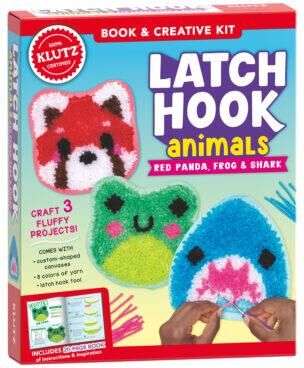
Klutz: Latch Hook AnimalsA classic craft is back! Latch hook is easier than ever, with everything you need to make a frog, shark, and red panda. With small (6 x 6 inch) canvases, precut yarn, and a custom tool, this kit helps take out the intimidation factor and get you...24,99 $*Shipping: 0,00 $Secure redirect to the provider
-
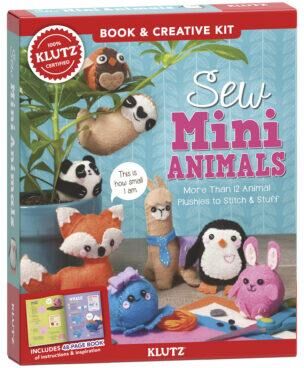
Klutz: Sew Mini AnimalsStitch and stuff an assortment of fuzzy animals from felt! These mini plushies are full-sized fun, and everything you need to make up to 14 animals is included. Add extra accessories like hats, bows, and glasses to personalize your animals. We must...22,99 $*Shipping: 0,00 $Secure redirect to the provider
-
DJECO Fluffy Animals making animals out of cotton wool balls 18m+ 1 pcDJECO Fluffy Animals, 1 pc, Interactive toys For Kids, Children need as many different stimuli as possible to develop properly. The DJECO Fluffy Animals toy will provide them with various stimuli that will stimulate different senses and keep your child's attention. Your inquisitive child will be interested, entertained, but also helped in the development of his or her sensory perception, motor skills and other abilities. Provide your child with smart entertainment which will promote their overall development. Characteristics: helps practice gripping provides visual stimulation enables your child to learn and practice colours thanks to the need to hit a specific spot, it helps to exercise and develop your child's motor skills cute animal design building helps children develop their organisational skills colours stimulate sensory development develops your baby’s concentration skills Materials: soft material14,87 £*Shipping: 3,99 £Secure redirect to the provider


-
Are amoebas plants or animals?
Amoebas are not plants, they are animals. They belong to the kingdom Protista, which includes single-celled organisms that do not fit into the categories of plants, animals, or fungi. Amoebas are known for their ability to change shape and move by extending their pseudopods, which are temporary projections of their cytoplasm. They obtain their energy by consuming other organisms, which is a characteristic of animals. **
-
Do plants eat carnivorous animals?
No, plants do not eat carnivorous animals. Carnivorous plants, such as Venus flytraps and pitcher plants, have evolved to capture and digest small insects and other organisms as a way to supplement their nutrient intake, particularly in nutrient-poor environments. However, they do not actively seek out and consume larger carnivorous animals. Plants primarily obtain their nutrients through photosynthesis and absorption from the soil. **
-
Do animals eat poisonous plants?
Yes, some animals have developed the ability to eat and even thrive on plants that are poisonous to other species. For example, certain insects, such as monarch butterflies, can consume milkweed, which contains toxic compounds that are harmful to many other animals. Some animals have evolved specific adaptations, such as specialized enzymes or gut bacteria, that allow them to detoxify and safely consume poisonous plants. Additionally, some animals may consume small amounts of toxic plants as a form of self-medication, using the toxins to rid themselves of parasites or to treat certain ailments. **
-
When did plants and animals evolutionarily diverge?
Plants and animals evolutionarily diverged around 1.5 billion years ago. This divergence marked the beginning of separate evolutionary paths for these two major groups of organisms. Plants evolved from ancient photosynthetic bacteria, while animals evolved from multicellular, heterotrophic ancestors. Despite this divergence, plants and animals still share some common features due to their shared ancestry. **

What are stimuli for animals and plants?
Stimuli for animals are external factors that trigger a response in their nervous system, such as changes in temperature, light, sound, or the presence of food or predators. Plants, on the other hand, respond to stimuli such as light, gravity, touch, and the presence of certain chemicals in their environment. These stimuli can trigger various physiological and behavioral responses in both animals and plants, allowing them to adapt and survive in their respective environments. **
Why do people breed animals and plants?
People breed animals and plants for a variety of reasons, including to improve their characteristics, such as size, color, or yield, for agricultural or commercial purposes. Breeding can also be done to create new varieties or species with desirable traits, such as disease resistance or better taste. Additionally, breeding can be used to preserve and protect endangered species or to maintain genetic diversity within a population. Overall, breeding is a way to manipulate and enhance the genetic makeup of animals and plants to better serve human needs and interests. **
Top-Angebote
Products related to Animals:
-
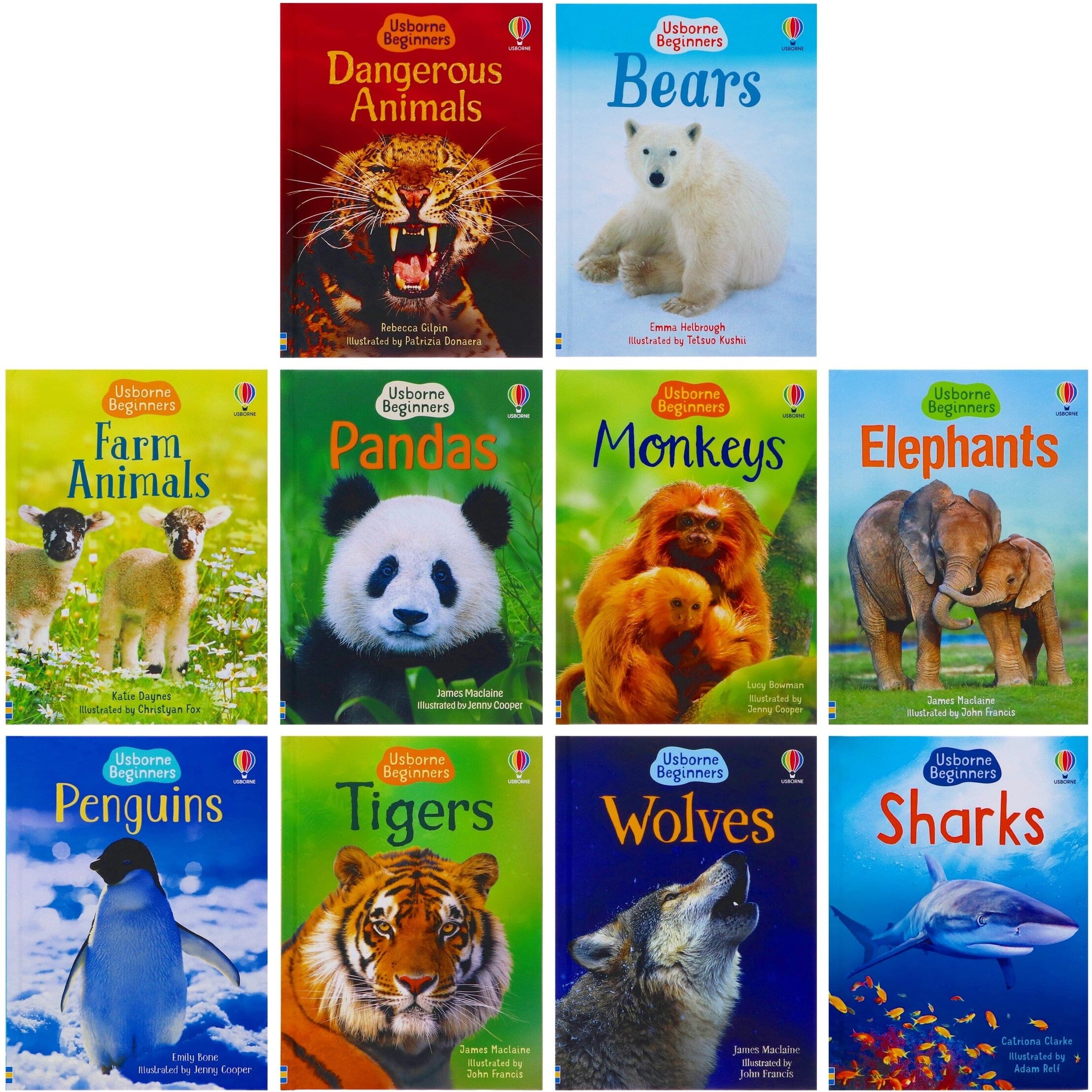
Usborne Beginners Animals Collection 10 Books Box Set (Bears, Dangerous Animals, Elephants, Farm Animals, Monkeys, Pandas, Penguins, Sharks, Tigers &Usborne Beginners Animals Collection 10 Books Box Set: Wolves:The association of wolves with superstition and folklore has led to an uneasy and fearful relationship between man and wolf. Tigers:Where do tigers live? What do they eat? Can tigers swim? Sharks:What do sharks like to eat? Which shark glows in the dark? And why do some sharks never stop swimming? Penguins:Where do penguins live? What do they eat and how do they catch their food? Pandas:A simple introduction to the lives of pandas - where they live, what they eat, how they behave, why they have come so close to extintion, and what humans are doing to save these gentle animals. Monkeys:It is a terrific reading practice for children who prefer fact to fiction. It includes information on how monkeys live, what they eat and how they look after their young. Farm Animals:How do pigs keep cool? Why do farmers shear their sheep? Which farm animals live underwater? These and other questions are answered? Elephants:A fascinating introduction to the world of elephants, complete with amazing photographs, illustrations and weird and wonderful facts. Dangerous Animals:What makes some animals dangerous? Which animals are the fastest? And biggest? How do they hunt? Why are people more dangerous to animals than animals are to people? Bears:Usborne Beginners are colourful information books for children beginning to read on their own.14,99 £*Shipping: 2,99 £Secure redirect to the provider
-
Paco Home Kids Room Rug Cute Zoo Animals Jungle in 3D Effect for NurseryAll the animals are watching! Colorful and adorned with a ring of friendly animals, this cheerful children's rug will bring smiles and an incredible sense of fun to your kids bedroom.47,59 $*Shipping: 0,00 $Secure redirect to the provider
-
Klutz: Latch Hook AnimalsA classic craft is back! Latch hook is easier than ever, with everything you need to make a frog, shark, and red panda. With small (6 x 6 inch) canvases, precut yarn, and a custom tool, this kit helps take out the intimidation factor and get you...24,99 $*Shipping: 0,00 $Secure redirect to the provider
-
What distinguishes plants and animals?
Plants and animals are two distinct groups of living organisms. One key difference is that plants are autotrophic, meaning they can produce their own food through photosynthesis, while animals are heterotrophic and need to consume other organisms for energy. Additionally, plants have cell walls made of cellulose, while animals do not. Another distinguishing factor is that plants typically do not have the ability to move from place to place, while animals are capable of locomotion. **
-
Are plants dependent on animals?
Yes, plants are dependent on animals in several ways. Animals help in the pollination of plants, which is essential for their reproduction. Some animals also disperse seeds, helping plants to spread and grow in new areas. Additionally, animals contribute to the nutrient cycle by providing organic matter through their waste, which enriches the soil and supports plant growth. Overall, the relationship between plants and animals is mutually beneficial and essential for the functioning of ecosystems. **
-
Are amoebas plants or animals?
Amoebas are not plants, they are animals. They belong to the kingdom Protista, which includes single-celled organisms that do not fit into the categories of plants, animals, or fungi. Amoebas are known for their ability to change shape and move by extending their pseudopods, which are temporary projections of their cytoplasm. They obtain their energy by consuming other organisms, which is a characteristic of animals. **
-
Do plants eat carnivorous animals?
No, plants do not eat carnivorous animals. Carnivorous plants, such as Venus flytraps and pitcher plants, have evolved to capture and digest small insects and other organisms as a way to supplement their nutrient intake, particularly in nutrient-poor environments. However, they do not actively seek out and consume larger carnivorous animals. Plants primarily obtain their nutrients through photosynthesis and absorption from the soil. **
Similar search terms for Animals
-
Klutz: Sew Mini AnimalsStitch and stuff an assortment of fuzzy animals from felt! These mini plushies are full-sized fun, and everything you need to make up to 14 animals is included. Add extra accessories like hats, bows, and glasses to personalize your animals. We must...22,99 $*Shipping: 0,00 $Secure redirect to the provider
-
DJECO Fluffy Animals making animals out of cotton wool balls 18m+ 1 pcDJECO Fluffy Animals, 1 pc, Interactive toys For Kids, Children need as many different stimuli as possible to develop properly. The DJECO Fluffy Animals toy will provide them with various stimuli that will stimulate different senses and keep your child's attention. Your inquisitive child will be interested, entertained, but also helped in the development of his or her sensory perception, motor skills and other abilities. Provide your child with smart entertainment which will promote their overall development. Characteristics: helps practice gripping provides visual stimulation enables your child to learn and practice colours thanks to the need to hit a specific spot, it helps to exercise and develop your child's motor skills cute animal design building helps children develop their organisational skills colours stimulate sensory development develops your baby’s concentration skills Materials: soft material14,87 £*Shipping: 3,99 £Secure redirect to the provider
-
Pan Macmillan Say Hello To The Animals 6 Books Collection Set - Children Picturebook Nursery BooksSay Hello To The Animals 6 Books Collection Set Say Hello to the Snowy Animals Take a trip to the north pole and join the little husky as he scampers off on the snow and ice to say hello to all his animal friends. Meet a polar bear, a snowy owl and a cute little seal too! Say Hello to the Jungle Animals! Go wild with this baby elephant as he shouts hello to all his animal friends. Young children will love to stroke the soft-to-touch velvety animals and join in calling out their noises: Snap! Roar! Ssssss! Say Hello to the Baby Animals When the sun comes up it's time to join the friendly little puppy on a journey around the farm. From the sleepy sheep to the fluffy chicks, toddlers will love saying hello to all their favourite farm animals and joining in with the animal noises in this delightful book. Say Goodnight to the Sleepy Animals (Say Hello) It's night-time and Cat is going to say goodnight to all her animal friends. Meet a dog, a barn owl and even some fluffy little rabbits. Toddlers will love joining in with all the animal noises in this delightful story perfect for reading at bedtime! Say Boo to the Animals! (Say Hello) Join a little bunny as he plays a game of hide-and-seek with some of the scarier animals in the forest. The warty toad, the growly bear and the tiger look frightening at first, but he soon discovers there's no reason to be afraid. Bright, colourful artwork by Tim Warnes and a satisfying rhyming text written by Ian Whybrow make Say Boo to the Animals! Say Hello to the Animals When the sun comes up it's time to join the friendly little puppy on a journey around the farm. From the sleepy sheep to the fluffy chicks, toddlers will love saying hello to all their favourite farm animals and joining in with the animal noises in this delightful book.12,89 £*Shipping: 2,99 £Secure redirect to the provider
-
Do animals eat poisonous plants?
Yes, some animals have developed the ability to eat and even thrive on plants that are poisonous to other species. For example, certain insects, such as monarch butterflies, can consume milkweed, which contains toxic compounds that are harmful to many other animals. Some animals have evolved specific adaptations, such as specialized enzymes or gut bacteria, that allow them to detoxify and safely consume poisonous plants. Additionally, some animals may consume small amounts of toxic plants as a form of self-medication, using the toxins to rid themselves of parasites or to treat certain ailments. **
-
When did plants and animals evolutionarily diverge?
Plants and animals evolutionarily diverged around 1.5 billion years ago. This divergence marked the beginning of separate evolutionary paths for these two major groups of organisms. Plants evolved from ancient photosynthetic bacteria, while animals evolved from multicellular, heterotrophic ancestors. Despite this divergence, plants and animals still share some common features due to their shared ancestry. **
-
What are stimuli for animals and plants?
Stimuli for animals are external factors that trigger a response in their nervous system, such as changes in temperature, light, sound, or the presence of food or predators. Plants, on the other hand, respond to stimuli such as light, gravity, touch, and the presence of certain chemicals in their environment. These stimuli can trigger various physiological and behavioral responses in both animals and plants, allowing them to adapt and survive in their respective environments. **
-
Why do people breed animals and plants?
People breed animals and plants for a variety of reasons, including to improve their characteristics, such as size, color, or yield, for agricultural or commercial purposes. Breeding can also be done to create new varieties or species with desirable traits, such as disease resistance or better taste. Additionally, breeding can be used to preserve and protect endangered species or to maintain genetic diversity within a population. Overall, breeding is a way to manipulate and enhance the genetic makeup of animals and plants to better serve human needs and interests. **
* All prices are inclusive of VAT and, if applicable, plus shipping costs. The offer information is based on the details provided by the respective shop and is updated through automated processes. Real-time updates do not occur, so deviations can occur in individual cases. ** Note: Parts of this content were created by AI.