Buy gewächshäuser.eu ?
We are moving the project
gewächshäuser.eu .
Are you interested in purchasing the domain
gewächshäuser.eu ?
domain@kv-gmbh.de · 0541-91531010
Buy gewächshäuser.eu ?
Why does sexual reproduction have an advantage over asexual reproduction?
Sexual reproduction has an advantage over asexual reproduction because it promotes genetic diversity. Through the process of meiosis and fertilization, offspring inherit a unique combination of genes from both parents, increasing genetic variation within a population. This diversity enhances the ability of a species to adapt to changing environments and reduces the risk of genetic diseases. Additionally, sexual reproduction allows for the elimination of harmful mutations through genetic recombination, leading to healthier and more robust offspring. **
Is aquarium plants a disease or a method of reproduction?
Aquarium plants are not a disease, they are a method of reproduction. Plants in an aquarium reproduce through various methods such as producing seeds, runners, or by forming plantlets. These plants play a vital role in maintaining a healthy aquatic ecosystem by providing oxygen, absorbing nutrients, and providing shelter for aquatic animals. **


Similar search terms for Reproduction
Top-Angebote
Products related to Reproduction:
-
Bronzhaus Hot Cast Botero Reproduction Roman Soldier Bronze Sculpture Marble Base FigurineCondition: This sculpture is in a perfect condition Bronze Dimensions with Marble Base: Height 14 inches X Width 6 inches Marble Dimensions:4 inches X 4 inches Height without base:12 inches Weight:10 LBS Inventory:43EPA0026334 Original or...381,99 $*Shipping: 0,00 $Secure redirect to the provider
-
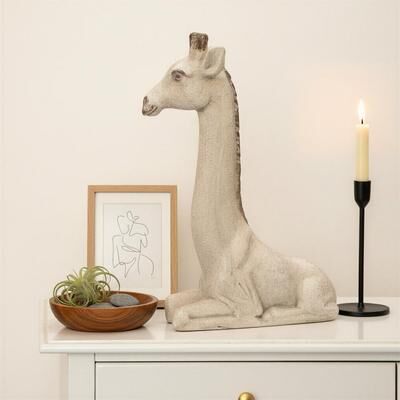
Storied Home "Magnesia Vintage Reproduction Giraffe Calf Figurine - 13.75""L x 5.88""W x 18.13""H"Add the Magnesia Vintage Reproduction Giraffe Calf Figurine with Antique Grey Finish to any space for a captivating blend of artistry and nostalgia.71,49 $*Shipping: 0,00 $Secure redirect to the provider
-
BBC Books RHS How to Garden 3 Book Set – Perennial Plants, Grow Food for Free & Gardening Guide CollectionHow to Garden Perennial Garden Plants, RHS How To Garden (HB), Grow Food for Free (HB) 3 Books Collection Set Alan Titchmarsh How to Garden: Perennial Garden Plants Herbaceous perennials flower each year, dying down in the winter and springing back to life the following spring. They are central features in the landscape of a garden as they appear year-after-year and must be regarded as constant features. This book gives the expert view on the vast array of flowers available. Includes: creative garden ideas and border planting plans practical advice on care, maintenance and propagation illustrated A-Z profiles of recommended plants recommended plants for specific purposes, conditions and effects step-by-step illustrations showing essential techniques Alan Titchmarsh imparts a lifetime of expertise in these definitive guides for beginners and experienced gardeners. Step-by-step illustrations and easy-to-follow instructions guide you through the basic gardening skills and on to the advanced techniques, providing everything you need to create beautiful flower borders in your garden. RHS How To Garden When You're New To Gardening: The Basics For Absolute Beginners (Hardback) If the desire to start a garden has been planted in your heart, then this essential guide is a wonderful companion to accompany you on your new adventure! If you're not sure of the first steps to take, this handbook takes the anxiety out of plotting and planting and equips you with all the know-how and confidence you need to get digging into your garden. Creating a garden that you can enjoy and keep looking beautiful all year round is easier than you think!With the expertise of the Royal Horticultural Society, you'll find simple step-by-step instructions, with clear images to help you create your dream garden, no matter the size and scale. Get to know your garden and choose plants that will grow well in particular soil types and conditions year after year. From growing root crop to cutting back ivy, this book gives you lots of simple garden ideas and projects that you can do yourself. Even if you've never sowed a seed or pulled a weed, RHS How to Garden When You're New To Gardening contains everything you need to kickstart your new outdoor hobby! This refreshingly accessible book is perfect for the novice gardener who wants to make the most of whatever garden they have. Your Guide to Creating the Garden of Your Dreams Do you want to create a garden you can show off with pride? Would you like to grow your own food? This book will get you started quickly! By following the simple steps and projects outlined in this book, you will reap instant rewards and long-term successes so that you can enjoy your garden in all seasons. Inside the pages of this comprehensive gardening book, you'll discover: - Clear definitions and descriptions of the different types of plants. - Tips on choosing the type of garden you want. - Easy-to-follow instructions for choosing the right plants for your soil....14,99 £*Shipping: 2,99 £Secure redirect to the provider



-
What is beech reproduction?
Beech reproduction refers to the process by which beech trees produce offspring. Beech trees reproduce through seeds that are contained within small, prickly husks known as beechnuts. These seeds are dispersed by animals or the wind, and when conditions are favorable, they germinate and grow into new beech trees. Beech trees can also reproduce through root sprouts, where new trees grow from the roots of existing trees. **
-
What characterizes sexual reproduction?
Sexual reproduction is characterized by the fusion of two specialized sex cells, typically a sperm and an egg, to create a new organism. This process introduces genetic variation into the offspring, as each parent contributes a unique set of genes. Sexual reproduction also requires the involvement of two individuals, leading to a greater diversity of traits within a population. Additionally, sexual reproduction often involves the development of specialized reproductive organs and behaviors to facilitate the union of the sex cells. **
-
What is cell reproduction?
Cell reproduction is the process by which cells divide and create new cells. This is essential for growth, repair, and maintenance of the body. There are two main types of cell reproduction: mitosis, which produces two identical daughter cells, and meiosis, which produces four genetically unique daughter cells. Cell reproduction is tightly regulated to ensure proper functioning of the body and to prevent diseases like cancer. **
-
Should human reproduction be controlled?
The question of whether human reproduction should be controlled is a complex and controversial issue. On one hand, some argue that controlling human reproduction is necessary to address overpopulation, reduce strain on resources, and prevent environmental degradation. On the other hand, others believe that reproductive rights are fundamental human rights and that individuals should have the freedom to make their own reproductive choices. Ultimately, the answer to this question depends on one's values, beliefs, and perspectives on individual rights versus societal needs. It is important to approach this issue with sensitivity and consideration for the diverse perspectives and implications involved. **
How did humans discover reproduction?
Humans likely discovered reproduction through observation of the natural world around them. They would have noticed that animals and plants were able to produce offspring, and through trial and error, they would have learned about the connection between sexual activity and the birth of new life. Over time, humans would have developed a deeper understanding of the reproductive process through scientific inquiry and experimentation. This knowledge would have been passed down through generations, leading to the development of more advanced reproductive technologies and understanding of human reproduction. **
What is the reproduction factor 3?
The reproduction factor 3, also known as the basic reproduction number (R0), is a measure of how contagious an infectious disease is. It represents the average number of secondary infections produced by a single infected individual in a population where everyone is susceptible to the disease. A reproduction factor of 3 means that, on average, each infected person will transmit the disease to 3 other people. This value is used by epidemiologists to assess the potential for an outbreak to become an epidemic. **
Top-Angebote
Products related to Reproduction:
-
Bronzhaus Antique Reproduction Red German Rotary Dial Phone Sculpture Figurine Decor DealDecorate for any table, desk, or shelf in sporty fashion with Our Rustic Red German Rotary Dial Phone. Featuring a rustic iron frame, this charming vintage Classic Phone includes a fine details.52,99 $*Shipping: 0,00 $Secure redirect to the provider
-
Bronzhaus Handmade Antique Reproduction Tin Model Train-1906 Steam Trains Figurine ArtworkDecorate for any table, desk, or shelf in sporty fashion with Our Rustic 1906 Steam Trains. Featuring a rustic iron frame, this charming vintage Classic Tin Model Train-1906 Steam Trains includes a fine details.109,99 $*Shipping: 0,00 $Secure redirect to the provider
-
Bronzhaus Hot Cast Botero Reproduction Roman Soldier Bronze Sculpture Marble Base FigurineCondition: This sculpture is in a perfect condition Bronze Dimensions with Marble Base: Height 14 inches X Width 6 inches Marble Dimensions:4 inches X 4 inches Height without base:12 inches Weight:10 LBS Inventory:43EPA0026334 Original or...381,99 $*Shipping: 0,00 $Secure redirect to the provider
-
Storied Home "Magnesia Vintage Reproduction Giraffe Calf Figurine - 13.75""L x 5.88""W x 18.13""H"Add the Magnesia Vintage Reproduction Giraffe Calf Figurine with Antique Grey Finish to any space for a captivating blend of artistry and nostalgia.71,49 $*Shipping: 0,00 $Secure redirect to the provider
-
Why does sexual reproduction have an advantage over asexual reproduction?
Sexual reproduction has an advantage over asexual reproduction because it promotes genetic diversity. Through the process of meiosis and fertilization, offspring inherit a unique combination of genes from both parents, increasing genetic variation within a population. This diversity enhances the ability of a species to adapt to changing environments and reduces the risk of genetic diseases. Additionally, sexual reproduction allows for the elimination of harmful mutations through genetic recombination, leading to healthier and more robust offspring. **
-
Is aquarium plants a disease or a method of reproduction?
Aquarium plants are not a disease, they are a method of reproduction. Plants in an aquarium reproduce through various methods such as producing seeds, runners, or by forming plantlets. These plants play a vital role in maintaining a healthy aquatic ecosystem by providing oxygen, absorbing nutrients, and providing shelter for aquatic animals. **
-
What is beech reproduction?
Beech reproduction refers to the process by which beech trees produce offspring. Beech trees reproduce through seeds that are contained within small, prickly husks known as beechnuts. These seeds are dispersed by animals or the wind, and when conditions are favorable, they germinate and grow into new beech trees. Beech trees can also reproduce through root sprouts, where new trees grow from the roots of existing trees. **
-
What characterizes sexual reproduction?
Sexual reproduction is characterized by the fusion of two specialized sex cells, typically a sperm and an egg, to create a new organism. This process introduces genetic variation into the offspring, as each parent contributes a unique set of genes. Sexual reproduction also requires the involvement of two individuals, leading to a greater diversity of traits within a population. Additionally, sexual reproduction often involves the development of specialized reproductive organs and behaviors to facilitate the union of the sex cells. **
Similar search terms for Reproduction
-
BBC Books RHS How to Garden 3 Book Set – Perennial Plants, Grow Food for Free & Gardening Guide CollectionHow to Garden Perennial Garden Plants, RHS How To Garden (HB), Grow Food for Free (HB) 3 Books Collection Set Alan Titchmarsh How to Garden: Perennial Garden Plants Herbaceous perennials flower each year, dying down in the winter and springing back to life the following spring. They are central features in the landscape of a garden as they appear year-after-year and must be regarded as constant features. This book gives the expert view on the vast array of flowers available. Includes: creative garden ideas and border planting plans practical advice on care, maintenance and propagation illustrated A-Z profiles of recommended plants recommended plants for specific purposes, conditions and effects step-by-step illustrations showing essential techniques Alan Titchmarsh imparts a lifetime of expertise in these definitive guides for beginners and experienced gardeners. Step-by-step illustrations and easy-to-follow instructions guide you through the basic gardening skills and on to the advanced techniques, providing everything you need to create beautiful flower borders in your garden. RHS How To Garden When You're New To Gardening: The Basics For Absolute Beginners (Hardback) If the desire to start a garden has been planted in your heart, then this essential guide is a wonderful companion to accompany you on your new adventure! If you're not sure of the first steps to take, this handbook takes the anxiety out of plotting and planting and equips you with all the know-how and confidence you need to get digging into your garden. Creating a garden that you can enjoy and keep looking beautiful all year round is easier than you think!With the expertise of the Royal Horticultural Society, you'll find simple step-by-step instructions, with clear images to help you create your dream garden, no matter the size and scale. Get to know your garden and choose plants that will grow well in particular soil types and conditions year after year. From growing root crop to cutting back ivy, this book gives you lots of simple garden ideas and projects that you can do yourself. Even if you've never sowed a seed or pulled a weed, RHS How to Garden When You're New To Gardening contains everything you need to kickstart your new outdoor hobby! This refreshingly accessible book is perfect for the novice gardener who wants to make the most of whatever garden they have. Your Guide to Creating the Garden of Your Dreams Do you want to create a garden you can show off with pride? Would you like to grow your own food? This book will get you started quickly! By following the simple steps and projects outlined in this book, you will reap instant rewards and long-term successes so that you can enjoy your garden in all seasons. Inside the pages of this comprehensive gardening book, you'll discover: - Clear definitions and descriptions of the different types of plants. - Tips on choosing the type of garden you want. - Easy-to-follow instructions for choosing the right plants for your soil....14,99 £*Shipping: 2,99 £Secure redirect to the provider
-
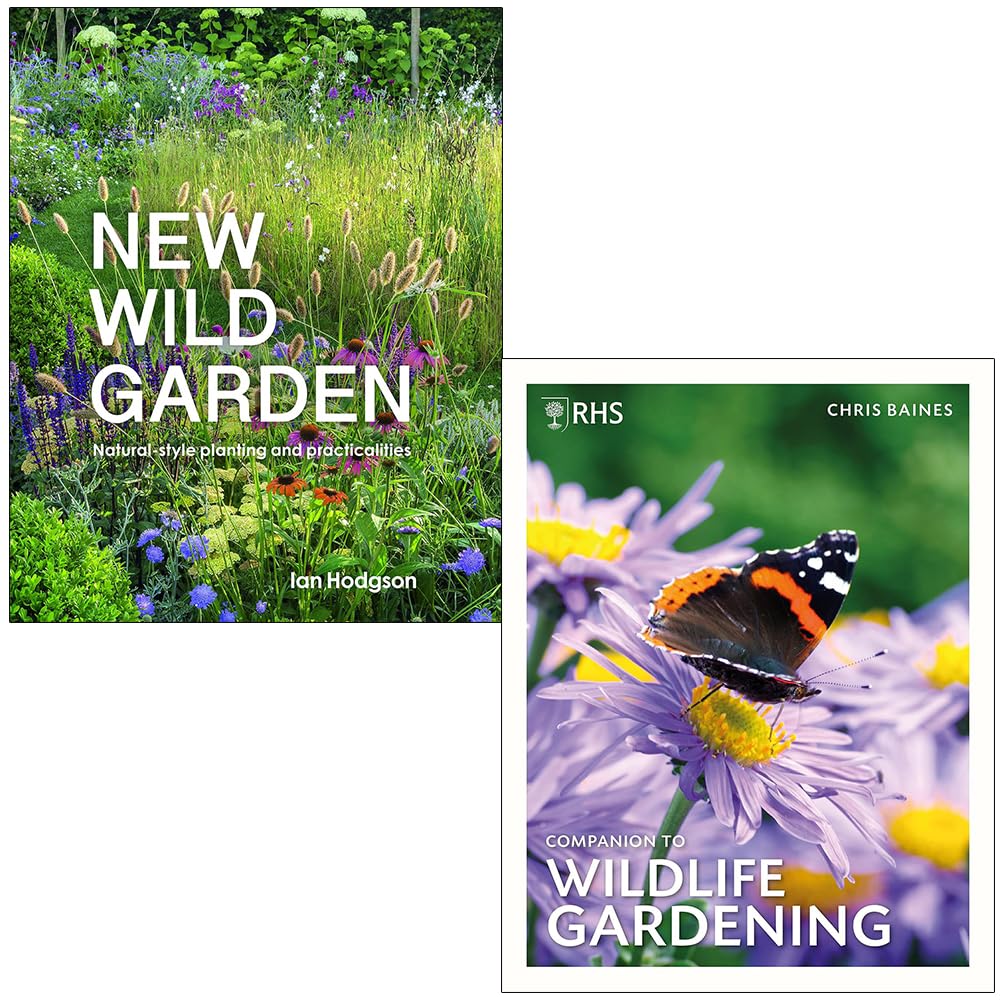
Frances Lincoln New Wild Garden & RHS Wildlife Gardening 2 Books Collection Set – Gardening Guide CollectionNew Wild Garden Natural-style planting and practicalities By Ian Hodgson & RHS Companion To Wildlife Gardening By Chris Baines 2 Books Collection Set: New Wild Garden: Natural-style planting and practicalities: The New Wild Garden combines new approaches to a more naturalistic design with the practical side of growing wildflowers and shows how to incorporate wildflowers, real meadows and a looser prarie-style planting into gardens and wild spaces.With serious concern into the decline of pollinators and habitats, meadows are currently the focus of enormous creativity. Gardeners, wildlife lovers, professional designers and seed manufacturers are all pushing the envelope of what can be grown, the pictorial effects that can be achieved, and the benefits that this provides for gardeners and wildlife. RHS Companion to Wildlife Gardening: This best-selling book was first published as How to Make a Wildlife Garden, and launched at the 1985 Chelsea Flower Show, making wildlife a mainstream issue for gardeners and the public. Now fully revised and updated by the author, this beautiful new freshly illustrated edition highlights the changes in garden wildlife over the past 35 years.Incorporating RHS research, updated best practice and addressing a multitude of controversial conservation issues, this stunning guide is also a celebration of the rich variety of wild plants and animals that can bring a beautiful garden to life.16,49 £*Shipping: 2,99 £Secure redirect to the provider
-
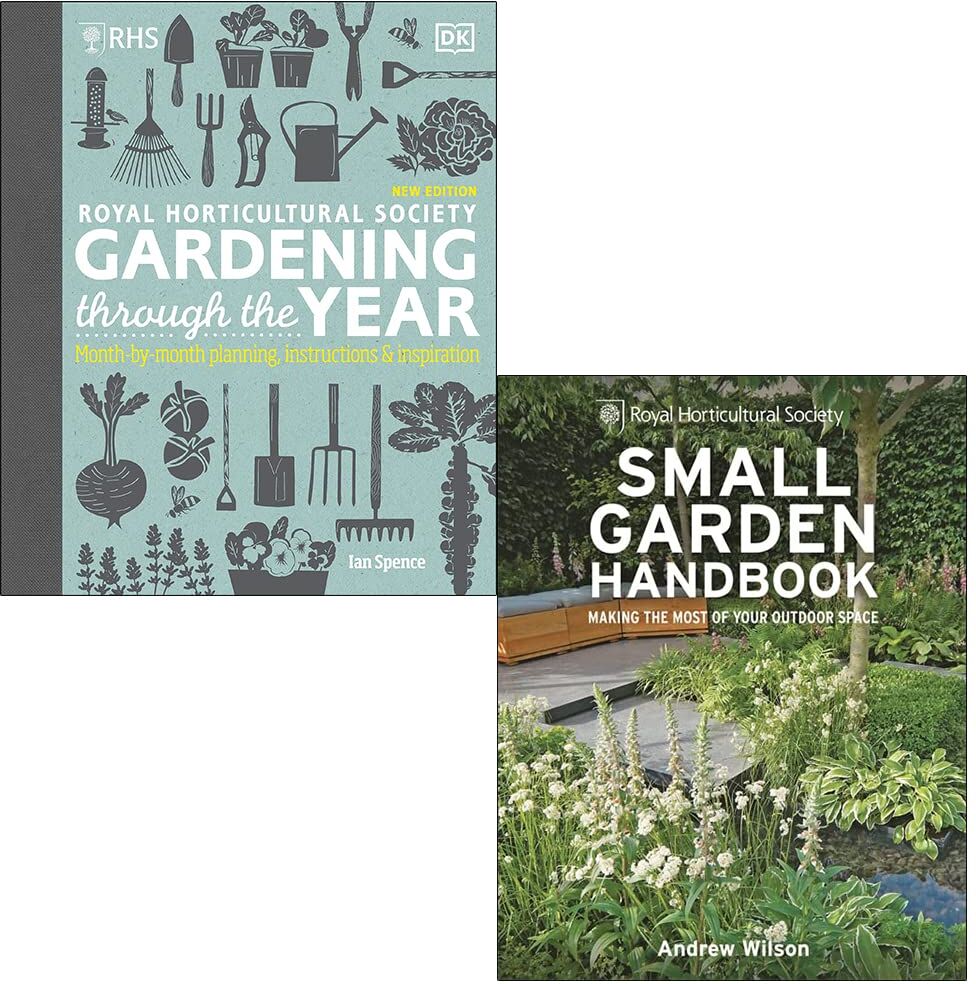
DK RHS Gardening Through the Year & Small Garden Handbook 2 Book Set – Seasonal Gardening & Design GuideRHS Gardening Through the Year By Ian Spence & RHS Small Garden Handbook By Andrew Wilson 2 Books Collection Set: RHS Gardening Through the Year: Find out when the best time is for pruning rose bushes, when your potatoes will be ready to harvest, how to keep your lawn green and well-fed, and learn how to plan ahead with this comprehensive gardening book. Keep on top of garden tasks with month-by-month chapters, "Last Chance" reminders, "Get Ahead" tips, and handy to-do lists. This RHS book will make gardening easier by providing helpful guidelines and realistic advice, so you can plan out your time efficiently and effectively. Packed with beautiful photo galleries that showcase each month's "Star Plant", you'll be inspired to have your own garden blooming throughout the year! Explore more than 350 different varieties in the A-Z illustrated plant directory. RHS Small Garden Handbook: RHS Small Garden Handbook provides an all-in-one guide for small space gardeners and draws on the experience in growing, planting, landscaping and design for which the RHS is world famous. It begins by explaining how to assess your plot so that you are aware of the soil, orientation, microclimate, existing materials and proportions that you have to work with, before revealing the principles of good design. Showing how your decisions on layout, colour and texture will affect the finished design and what tricks can be played to create a greater sense of space - with everything from expert design advice on boundaries, hedges and fences to clever ideas for containers and storage - every gardener will gain confidence in creating a garden to enjoy no matter how big the plot.19,95 £*Shipping: 2,99 £Secure redirect to the provider
-
What is cell reproduction?
Cell reproduction is the process by which cells divide and create new cells. This is essential for growth, repair, and maintenance of the body. There are two main types of cell reproduction: mitosis, which produces two identical daughter cells, and meiosis, which produces four genetically unique daughter cells. Cell reproduction is tightly regulated to ensure proper functioning of the body and to prevent diseases like cancer. **
-
Should human reproduction be controlled?
The question of whether human reproduction should be controlled is a complex and controversial issue. On one hand, some argue that controlling human reproduction is necessary to address overpopulation, reduce strain on resources, and prevent environmental degradation. On the other hand, others believe that reproductive rights are fundamental human rights and that individuals should have the freedom to make their own reproductive choices. Ultimately, the answer to this question depends on one's values, beliefs, and perspectives on individual rights versus societal needs. It is important to approach this issue with sensitivity and consideration for the diverse perspectives and implications involved. **
-
How did humans discover reproduction?
Humans likely discovered reproduction through observation of the natural world around them. They would have noticed that animals and plants were able to produce offspring, and through trial and error, they would have learned about the connection between sexual activity and the birth of new life. Over time, humans would have developed a deeper understanding of the reproductive process through scientific inquiry and experimentation. This knowledge would have been passed down through generations, leading to the development of more advanced reproductive technologies and understanding of human reproduction. **
-
What is the reproduction factor 3?
The reproduction factor 3, also known as the basic reproduction number (R0), is a measure of how contagious an infectious disease is. It represents the average number of secondary infections produced by a single infected individual in a population where everyone is susceptible to the disease. A reproduction factor of 3 means that, on average, each infected person will transmit the disease to 3 other people. This value is used by epidemiologists to assess the potential for an outbreak to become an epidemic. **
* All prices are inclusive of VAT and, if applicable, plus shipping costs. The offer information is based on the details provided by the respective shop and is updated through automated processes. Real-time updates do not occur, so deviations can occur in individual cases. ** Note: Parts of this content were created by AI.