Buy gewächshäuser.eu ?
We are moving the project
gewächshäuser.eu .
Are you interested in purchasing the domain
gewächshäuser.eu ?
domain@kv-gmbh.de · 0541-91531010
Buy gewächshäuser.eu ?
Why are liver cells animal cells?
Liver cells are animal cells because they are part of the tissue and organ system of animals. They are eukaryotic cells, meaning they have a true nucleus and membrane-bound organelles, which are characteristic of animal cells. Additionally, liver cells perform specific functions related to the metabolism and detoxification of substances within the body, which are essential for the survival and functioning of animals. Therefore, liver cells are classified as animal cells due to their structure, function, and role within the animal body. **
What are the differences between embryonic stem cells, omnipotent stem cells, adult stem cells, totipotent stem cells, and multipotent stem cells?
Embryonic stem cells are derived from embryos and have the potential to develop into any type of cell in the body. Omnipotent stem cells, also known as pluripotent stem cells, are similar to embryonic stem cells in that they can differentiate into any type of cell, but they are derived from adult tissues. Adult stem cells are found in various tissues and have the ability to differentiate into a limited range of cell types. Totipotent stem cells have the highest potential for differentiation and can develop into any type of cell, as well as into extraembryonic tissues such as the placenta. Multipotent stem cells can differentiate into a limited number of cell types, typically within a specific tissue or organ. **

Similar search terms for Cells
Top-Angebote
Products related to Cells:
-
Smart Shopping Spot Divided Serving Tray With Lid Compartment Snack And Food Storage Container, Fruit Storage Box For Organized Snacking clear 8 CellsLooking for a way to keep your snacks fresh and neatly organized Our Divided Serving Tray with Lid is designed for ultimate convenience and style. Perfect for those who love having multiple snack options ready to go, this storage container features...44,97 $*Shipping: 0,00 $Secure redirect to the provider
-
BBC Books RHS How to Garden 3 Book Set – Perennial Plants, Grow Food for Free & Gardening Guide CollectionHow to Garden Perennial Garden Plants, RHS How To Garden (HB), Grow Food for Free (HB) 3 Books Collection Set Alan Titchmarsh How to Garden: Perennial Garden Plants Herbaceous perennials flower each year, dying down in the winter and springing back to life the following spring. They are central features in the landscape of a garden as they appear year-after-year and must be regarded as constant features. This book gives the expert view on the vast array of flowers available. Includes: creative garden ideas and border planting plans practical advice on care, maintenance and propagation illustrated A-Z profiles of recommended plants recommended plants for specific purposes, conditions and effects step-by-step illustrations showing essential techniques Alan Titchmarsh imparts a lifetime of expertise in these definitive guides for beginners and experienced gardeners. Step-by-step illustrations and easy-to-follow instructions guide you through the basic gardening skills and on to the advanced techniques, providing everything you need to create beautiful flower borders in your garden. RHS How To Garden When You're New To Gardening: The Basics For Absolute Beginners (Hardback) If the desire to start a garden has been planted in your heart, then this essential guide is a wonderful companion to accompany you on your new adventure! If you're not sure of the first steps to take, this handbook takes the anxiety out of plotting and planting and equips you with all the know-how and confidence you need to get digging into your garden. Creating a garden that you can enjoy and keep looking beautiful all year round is easier than you think!With the expertise of the Royal Horticultural Society, you'll find simple step-by-step instructions, with clear images to help you create your dream garden, no matter the size and scale. Get to know your garden and choose plants that will grow well in particular soil types and conditions year after year. From growing root crop to cutting back ivy, this book gives you lots of simple garden ideas and projects that you can do yourself. Even if you've never sowed a seed or pulled a weed, RHS How to Garden When You're New To Gardening contains everything you need to kickstart your new outdoor hobby! This refreshingly accessible book is perfect for the novice gardener who wants to make the most of whatever garden they have. Your Guide to Creating the Garden of Your Dreams Do you want to create a garden you can show off with pride? Would you like to grow your own food? This book will get you started quickly! By following the simple steps and projects outlined in this book, you will reap instant rewards and long-term successes so that you can enjoy your garden in all seasons. Inside the pages of this comprehensive gardening book, you'll discover: - Clear definitions and descriptions of the different types of plants. - Tips on choosing the type of garden you want. - Easy-to-follow instructions for choosing the right plants for your soil....14,99 £*Shipping: 2,99 £Secure redirect to the provider
-
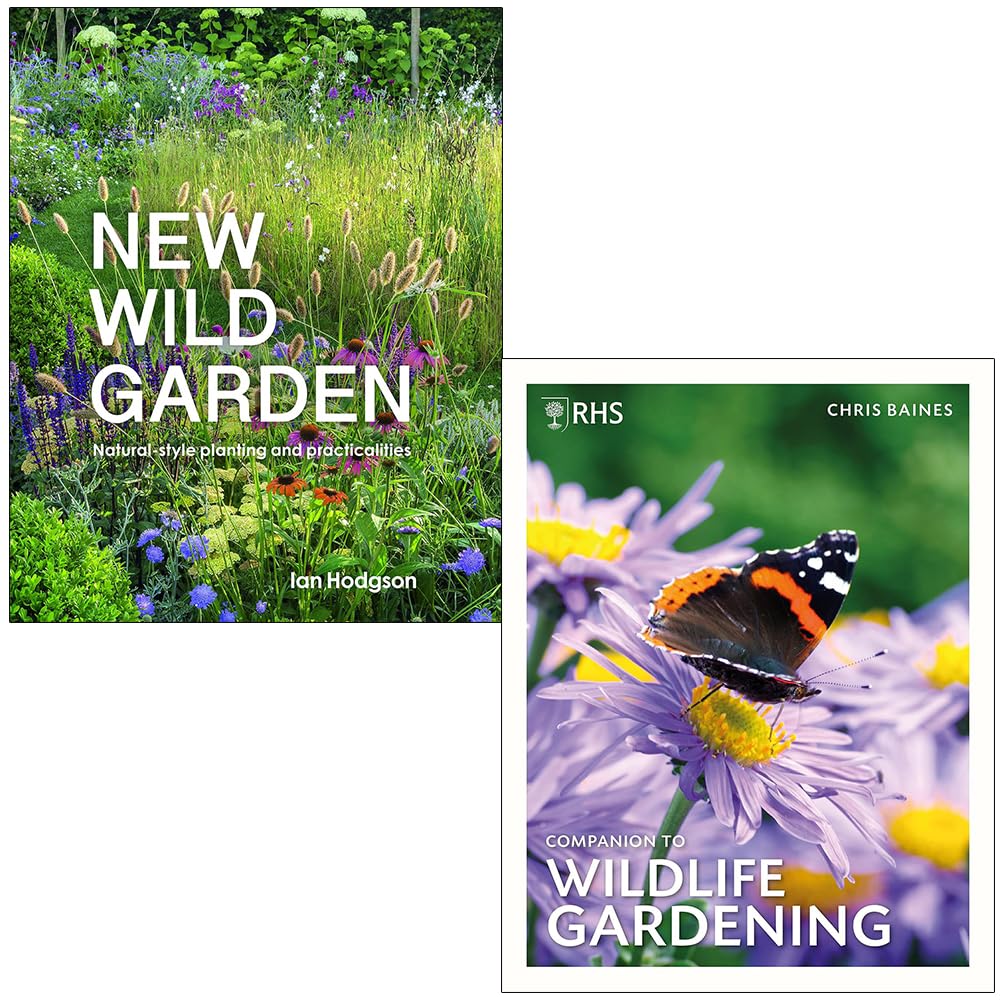
Frances Lincoln New Wild Garden & RHS Wildlife Gardening 2 Books Collection Set – Gardening Guide CollectionNew Wild Garden Natural-style planting and practicalities By Ian Hodgson & RHS Companion To Wildlife Gardening By Chris Baines 2 Books Collection Set: New Wild Garden: Natural-style planting and practicalities: The New Wild Garden combines new approaches to a more naturalistic design with the practical side of growing wildflowers and shows how to incorporate wildflowers, real meadows and a looser prarie-style planting into gardens and wild spaces.With serious concern into the decline of pollinators and habitats, meadows are currently the focus of enormous creativity. Gardeners, wildlife lovers, professional designers and seed manufacturers are all pushing the envelope of what can be grown, the pictorial effects that can be achieved, and the benefits that this provides for gardeners and wildlife. RHS Companion to Wildlife Gardening: This best-selling book was first published as How to Make a Wildlife Garden, and launched at the 1985 Chelsea Flower Show, making wildlife a mainstream issue for gardeners and the public. Now fully revised and updated by the author, this beautiful new freshly illustrated edition highlights the changes in garden wildlife over the past 35 years.Incorporating RHS research, updated best practice and addressing a multitude of controversial conservation issues, this stunning guide is also a celebration of the rich variety of wild plants and animals that can bring a beautiful garden to life.16,49 £*Shipping: 2,99 £Secure redirect to the provider


-
What are egg cells and sperm cells?
Egg cells, also known as ova, are the female reproductive cells produced by the ovaries. They are larger than sperm cells and contain genetic material from the mother. Sperm cells, on the other hand, are the male reproductive cells produced by the testes. They are smaller and more numerous than egg cells, and contain genetic material from the father. When an egg cell is fertilized by a sperm cell, it forms a zygote, which eventually develops into a new organism. **
-
How do killer cells recognize infected body cells?
Killer cells, also known as cytotoxic T cells, recognize infected body cells through a process called antigen presentation. Infected cells display fragments of foreign proteins, known as antigens, on their surface using a protein called major histocompatibility complex (MHC) class I. Killer cells have receptors that can recognize these antigens when they are presented on the infected cell's surface. Once the killer cell identifies an infected cell, it releases toxic substances to destroy the infected cell and prevent the spread of the infection. **
-
How do you compare the components of plant cells, virus cells, and animal cells?
Plant cells, virus cells, and animal cells all have different components and structures. Plant cells have a cell wall, chloroplasts, and a large central vacuole, which are not present in animal cells. Virus cells are not considered living cells and are much simpler in structure, consisting of genetic material (DNA or RNA) surrounded by a protein coat. Animal cells have centrioles and lysosomes, which are not found in plant cells. Additionally, animal cells do not have a cell wall like plant cells do. Overall, each type of cell has unique components that contribute to their specific functions and characteristics. **
-
What are common cell components of muscle cells, gland cells, and absorbing intestinal cells?
Common cell components of muscle cells, gland cells, and absorbing intestinal cells include the cell membrane, cytoplasm, nucleus, and organelles such as mitochondria and endoplasmic reticulum. Muscle cells also contain specialized structures called myofibrils, which are responsible for muscle contraction. Gland cells contain secretory vesicles for releasing hormones or other substances. Intestinal cells have microvilli on their surface to increase the surface area for absorption, and they also contain specialized transport proteins for moving nutrients across the cell membrane. **
Do nerve cells without sheath cells conduct impulses more slowly than those with sheath cells?
Yes, nerve cells without sheath cells conduct impulses more slowly than those with sheath cells. The sheath cells, also known as myelin, help to insulate and speed up the transmission of electrical impulses along the nerve cells. Without the myelin sheath, the impulses have to travel along the entire length of the nerve cell, resulting in slower conduction. This is why conditions that damage the myelin sheath, such as multiple sclerosis, can lead to slower nerve conduction and impaired neurological function. **
How many cells are larger than their neighboring cells?
To determine how many cells are larger than their neighboring cells, we would need to compare each cell with its neighboring cells in all directions (up, down, left, right, and diagonally). If a cell is larger than all of its neighboring cells, then it would be considered larger than its neighbors. The total number of cells that meet this criteria would be the count of cells that are larger than their neighboring cells. **
Top-Angebote
Products related to Cells:
-
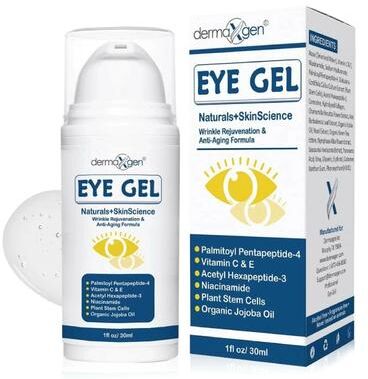
All Categories Goods Anti Aging Eye Gel With Matrixyl , Hyaluronic Acid & Plant Stem Cells Anti Aging Eye Gel With Matrixyl , Hyaluronic Acid & Plant Stem CellsLooking to reduce the appearance of dark circles, wrinkles, and puffiness around your eyes This antiaging eye gel is your goto solution. Powered by Matrixyl 3000, hyaluronic acid, and rejuvenating plant stem cells, this gel works wonders for...51,97 $*Shipping: 0,00 $Secure redirect to the provider
-
Multicon Wholesale Hub Anti Aging Under Eye Cream Gel For Dark Circles & Wrinkles, With Hyaluronic Acid & Plant Stem Cells Anti Aging Under Eye Cream Gel For Dark Circles & Wrinkles, With Hyaluronic Acid & Plant Stem CellsTired eyes and wrinkles can make you feel older than you are. This undereye cream gel is designed to revitalize the delicate skin around your eyes. Packed with hyaluronic acid and nourishing plant stem cells, it combats dark circles, puffiness, and...69,97 $*Shipping: 0,00 $Secure redirect to the provider
-
Smart Shopping Spot Divided Serving Tray With Lid Compartment Snack And Food Storage Container, Fruit Storage Box For Organized Snacking clear 8 CellsLooking for a way to keep your snacks fresh and neatly organized Our Divided Serving Tray with Lid is designed for ultimate convenience and style. Perfect for those who love having multiple snack options ready to go, this storage container features...44,97 $*Shipping: 0,00 $Secure redirect to the provider
-
Why are liver cells animal cells?
Liver cells are animal cells because they are part of the tissue and organ system of animals. They are eukaryotic cells, meaning they have a true nucleus and membrane-bound organelles, which are characteristic of animal cells. Additionally, liver cells perform specific functions related to the metabolism and detoxification of substances within the body, which are essential for the survival and functioning of animals. Therefore, liver cells are classified as animal cells due to their structure, function, and role within the animal body. **
-
What are the differences between embryonic stem cells, omnipotent stem cells, adult stem cells, totipotent stem cells, and multipotent stem cells?
Embryonic stem cells are derived from embryos and have the potential to develop into any type of cell in the body. Omnipotent stem cells, also known as pluripotent stem cells, are similar to embryonic stem cells in that they can differentiate into any type of cell, but they are derived from adult tissues. Adult stem cells are found in various tissues and have the ability to differentiate into a limited range of cell types. Totipotent stem cells have the highest potential for differentiation and can develop into any type of cell, as well as into extraembryonic tissues such as the placenta. Multipotent stem cells can differentiate into a limited number of cell types, typically within a specific tissue or organ. **
-
What are egg cells and sperm cells?
Egg cells, also known as ova, are the female reproductive cells produced by the ovaries. They are larger than sperm cells and contain genetic material from the mother. Sperm cells, on the other hand, are the male reproductive cells produced by the testes. They are smaller and more numerous than egg cells, and contain genetic material from the father. When an egg cell is fertilized by a sperm cell, it forms a zygote, which eventually develops into a new organism. **
-
How do killer cells recognize infected body cells?
Killer cells, also known as cytotoxic T cells, recognize infected body cells through a process called antigen presentation. Infected cells display fragments of foreign proteins, known as antigens, on their surface using a protein called major histocompatibility complex (MHC) class I. Killer cells have receptors that can recognize these antigens when they are presented on the infected cell's surface. Once the killer cell identifies an infected cell, it releases toxic substances to destroy the infected cell and prevent the spread of the infection. **
Similar search terms for Cells
-
BBC Books RHS How to Garden 3 Book Set – Perennial Plants, Grow Food for Free & Gardening Guide CollectionHow to Garden Perennial Garden Plants, RHS How To Garden (HB), Grow Food for Free (HB) 3 Books Collection Set Alan Titchmarsh How to Garden: Perennial Garden Plants Herbaceous perennials flower each year, dying down in the winter and springing back to life the following spring. They are central features in the landscape of a garden as they appear year-after-year and must be regarded as constant features. This book gives the expert view on the vast array of flowers available. Includes: creative garden ideas and border planting plans practical advice on care, maintenance and propagation illustrated A-Z profiles of recommended plants recommended plants for specific purposes, conditions and effects step-by-step illustrations showing essential techniques Alan Titchmarsh imparts a lifetime of expertise in these definitive guides for beginners and experienced gardeners. Step-by-step illustrations and easy-to-follow instructions guide you through the basic gardening skills and on to the advanced techniques, providing everything you need to create beautiful flower borders in your garden. RHS How To Garden When You're New To Gardening: The Basics For Absolute Beginners (Hardback) If the desire to start a garden has been planted in your heart, then this essential guide is a wonderful companion to accompany you on your new adventure! If you're not sure of the first steps to take, this handbook takes the anxiety out of plotting and planting and equips you with all the know-how and confidence you need to get digging into your garden. Creating a garden that you can enjoy and keep looking beautiful all year round is easier than you think!With the expertise of the Royal Horticultural Society, you'll find simple step-by-step instructions, with clear images to help you create your dream garden, no matter the size and scale. Get to know your garden and choose plants that will grow well in particular soil types and conditions year after year. From growing root crop to cutting back ivy, this book gives you lots of simple garden ideas and projects that you can do yourself. Even if you've never sowed a seed or pulled a weed, RHS How to Garden When You're New To Gardening contains everything you need to kickstart your new outdoor hobby! This refreshingly accessible book is perfect for the novice gardener who wants to make the most of whatever garden they have. Your Guide to Creating the Garden of Your Dreams Do you want to create a garden you can show off with pride? Would you like to grow your own food? This book will get you started quickly! By following the simple steps and projects outlined in this book, you will reap instant rewards and long-term successes so that you can enjoy your garden in all seasons. Inside the pages of this comprehensive gardening book, you'll discover: - Clear definitions and descriptions of the different types of plants. - Tips on choosing the type of garden you want. - Easy-to-follow instructions for choosing the right plants for your soil....14,99 £*Shipping: 2,99 £Secure redirect to the provider
-
Frances Lincoln New Wild Garden & RHS Wildlife Gardening 2 Books Collection Set – Gardening Guide CollectionNew Wild Garden Natural-style planting and practicalities By Ian Hodgson & RHS Companion To Wildlife Gardening By Chris Baines 2 Books Collection Set: New Wild Garden: Natural-style planting and practicalities: The New Wild Garden combines new approaches to a more naturalistic design with the practical side of growing wildflowers and shows how to incorporate wildflowers, real meadows and a looser prarie-style planting into gardens and wild spaces.With serious concern into the decline of pollinators and habitats, meadows are currently the focus of enormous creativity. Gardeners, wildlife lovers, professional designers and seed manufacturers are all pushing the envelope of what can be grown, the pictorial effects that can be achieved, and the benefits that this provides for gardeners and wildlife. RHS Companion to Wildlife Gardening: This best-selling book was first published as How to Make a Wildlife Garden, and launched at the 1985 Chelsea Flower Show, making wildlife a mainstream issue for gardeners and the public. Now fully revised and updated by the author, this beautiful new freshly illustrated edition highlights the changes in garden wildlife over the past 35 years.Incorporating RHS research, updated best practice and addressing a multitude of controversial conservation issues, this stunning guide is also a celebration of the rich variety of wild plants and animals that can bring a beautiful garden to life.16,49 £*Shipping: 2,99 £Secure redirect to the provider
-
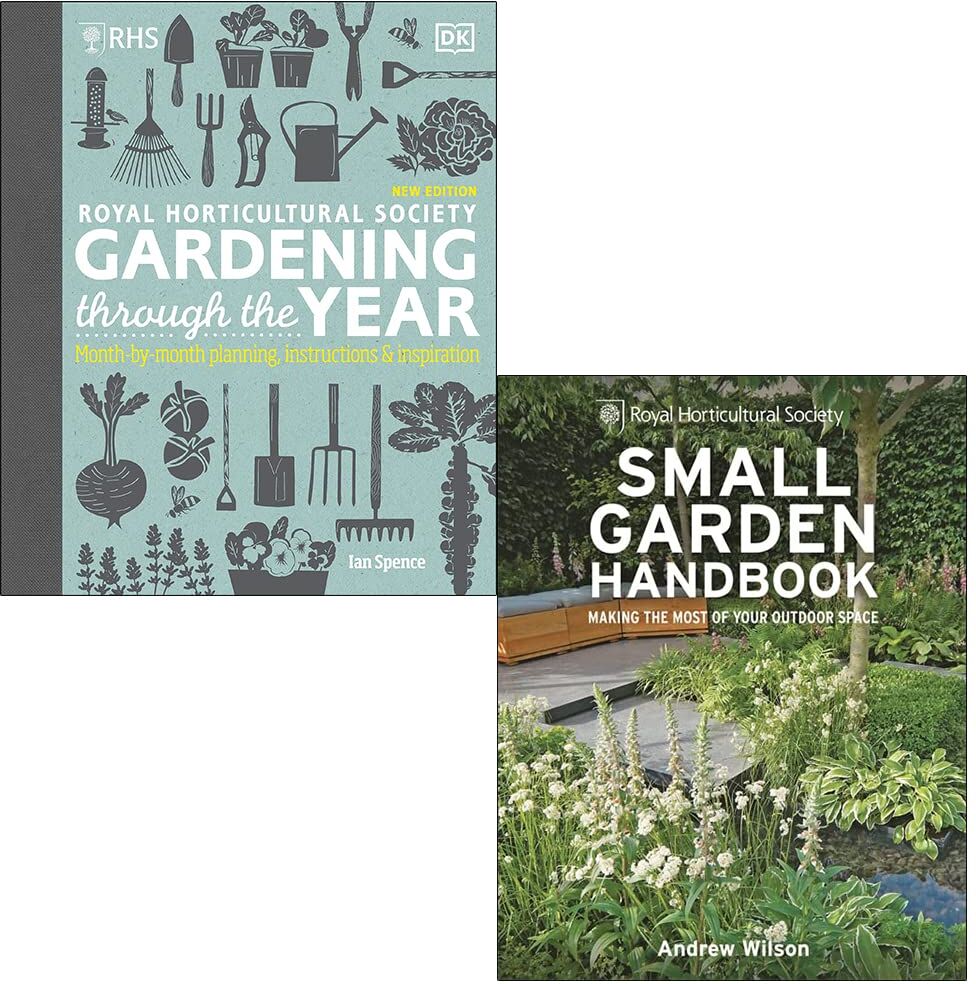
DK RHS Gardening Through the Year & Small Garden Handbook 2 Book Set – Seasonal Gardening & Design GuideRHS Gardening Through the Year By Ian Spence & RHS Small Garden Handbook By Andrew Wilson 2 Books Collection Set: RHS Gardening Through the Year: Find out when the best time is for pruning rose bushes, when your potatoes will be ready to harvest, how to keep your lawn green and well-fed, and learn how to plan ahead with this comprehensive gardening book. Keep on top of garden tasks with month-by-month chapters, "Last Chance" reminders, "Get Ahead" tips, and handy to-do lists. This RHS book will make gardening easier by providing helpful guidelines and realistic advice, so you can plan out your time efficiently and effectively. Packed with beautiful photo galleries that showcase each month's "Star Plant", you'll be inspired to have your own garden blooming throughout the year! Explore more than 350 different varieties in the A-Z illustrated plant directory. RHS Small Garden Handbook: RHS Small Garden Handbook provides an all-in-one guide for small space gardeners and draws on the experience in growing, planting, landscaping and design for which the RHS is world famous. It begins by explaining how to assess your plot so that you are aware of the soil, orientation, microclimate, existing materials and proportions that you have to work with, before revealing the principles of good design. Showing how your decisions on layout, colour and texture will affect the finished design and what tricks can be played to create a greater sense of space - with everything from expert design advice on boundaries, hedges and fences to clever ideas for containers and storage - every gardener will gain confidence in creating a garden to enjoy no matter how big the plot.19,95 £*Shipping: 2,99 £Secure redirect to the provider
-
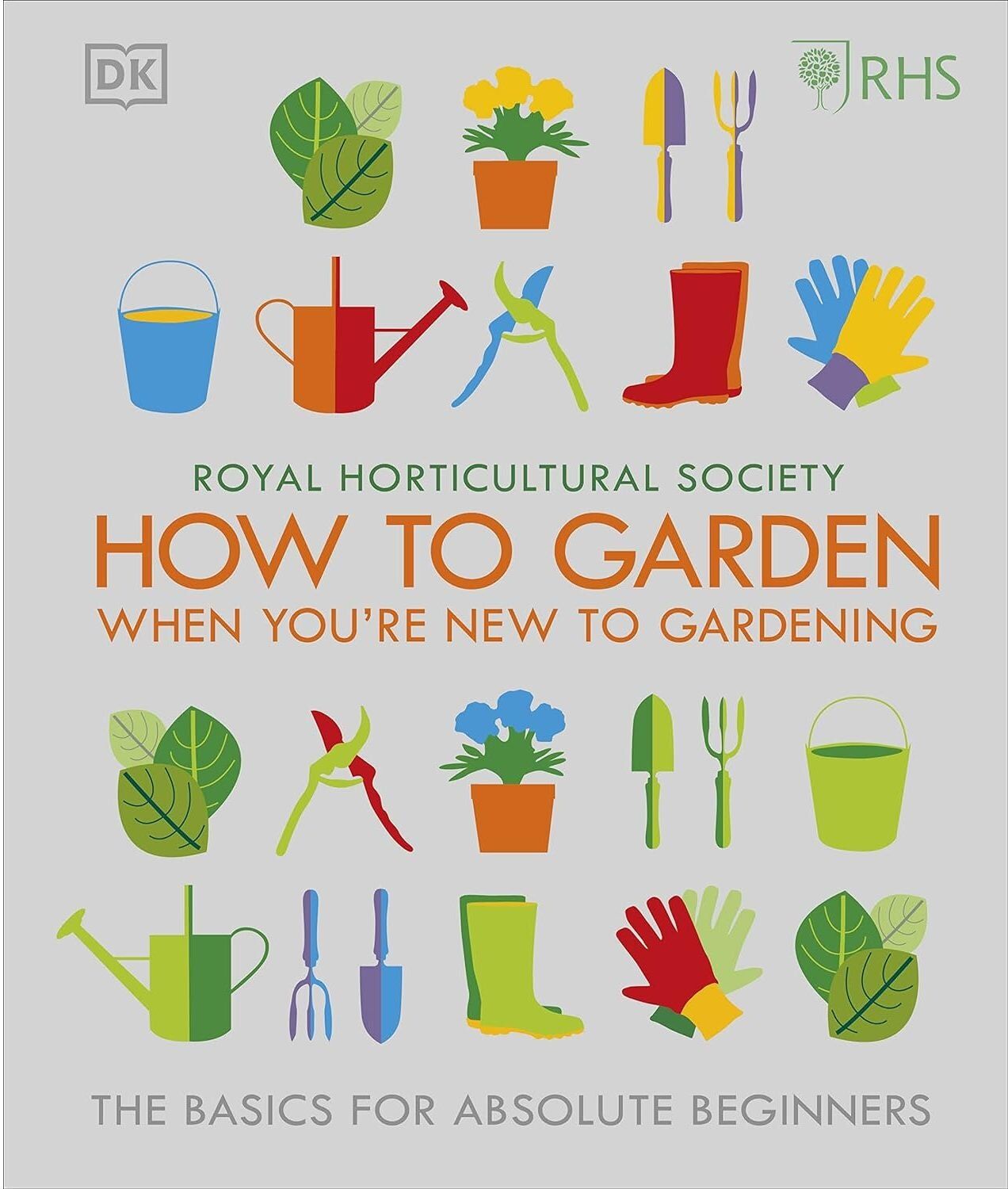
DK How to Garden When You’re New to Gardening by Royal Horticultural Society – Beginner’s Guide to Gardening BasicsIf the desire to start a garden has been planted in your heart, then this essential guide is a wonderful companion to accompany you on your new adventure!If you're not sure of the first steps to take, this handbook takes the anxiety out of plotting and planting and equips you with all the know-how and confidence you need to get digging into your garden.Creating a garden that you can enjoy and keep looking beautiful all year round is easier than you think!With the expertise of the Royal Horticultural Society, you'll find simple step-by-step instructions, with clear images to help you create your dream garden, no matter the size and scale.Get to know your garden and choose plants that will grow well in particular soil types and conditions year after year. From growing root crop to cutting back ivy, this book gives you lots of simple garden ideas and projects that you can do yourself.Even if you've never sowed a seed or pulled a weed, RHS How to Garden When You're New To Gardening contains everything you need to kickstart your new outdoor hobby! This refreshingly accessible book is perfect for the novice gardener who wants to make the most of whatever garden they have.Your Guide to Creating the Garden of Your DreamsDo you want to create a garden you can show off with pride? Would you like to grow your own food? This book will get you started quickly! By following the simple steps and projects outlined in this book, you will reap instant rewards and long-term successes so that you can enjoy your garden in all seasons.Inside the pages of this comprehensive gardening book, you'll discover:- Clear definitions and descriptions of the different types of plants.- Tips on choosing the type of garden you want.- Easy-to-follow instructions for choosing the right plants for your soil.- Simple step-by-step instructions to producing your first crop.- Practical gardening advice on planting, growing, and caring for different plants.7,99 £*Shipping: 2,99 £Secure redirect to the provider
-
How do you compare the components of plant cells, virus cells, and animal cells?
Plant cells, virus cells, and animal cells all have different components and structures. Plant cells have a cell wall, chloroplasts, and a large central vacuole, which are not present in animal cells. Virus cells are not considered living cells and are much simpler in structure, consisting of genetic material (DNA or RNA) surrounded by a protein coat. Animal cells have centrioles and lysosomes, which are not found in plant cells. Additionally, animal cells do not have a cell wall like plant cells do. Overall, each type of cell has unique components that contribute to their specific functions and characteristics. **
-
What are common cell components of muscle cells, gland cells, and absorbing intestinal cells?
Common cell components of muscle cells, gland cells, and absorbing intestinal cells include the cell membrane, cytoplasm, nucleus, and organelles such as mitochondria and endoplasmic reticulum. Muscle cells also contain specialized structures called myofibrils, which are responsible for muscle contraction. Gland cells contain secretory vesicles for releasing hormones or other substances. Intestinal cells have microvilli on their surface to increase the surface area for absorption, and they also contain specialized transport proteins for moving nutrients across the cell membrane. **
-
Do nerve cells without sheath cells conduct impulses more slowly than those with sheath cells?
Yes, nerve cells without sheath cells conduct impulses more slowly than those with sheath cells. The sheath cells, also known as myelin, help to insulate and speed up the transmission of electrical impulses along the nerve cells. Without the myelin sheath, the impulses have to travel along the entire length of the nerve cell, resulting in slower conduction. This is why conditions that damage the myelin sheath, such as multiple sclerosis, can lead to slower nerve conduction and impaired neurological function. **
-
How many cells are larger than their neighboring cells?
To determine how many cells are larger than their neighboring cells, we would need to compare each cell with its neighboring cells in all directions (up, down, left, right, and diagonally). If a cell is larger than all of its neighboring cells, then it would be considered larger than its neighbors. The total number of cells that meet this criteria would be the count of cells that are larger than their neighboring cells. **
* All prices are inclusive of VAT and, if applicable, plus shipping costs. The offer information is based on the details provided by the respective shop and is updated through automated processes. Real-time updates do not occur, so deviations can occur in individual cases. ** Note: Parts of this content were created by AI.