Buy gewächshäuser.eu ?
We are moving the project
gewächshäuser.eu .
Are you interested in purchasing the domain
gewächshäuser.eu ?
domain@kv-gmbh.de · 0541-91531010
Buy gewächshäuser.eu ?
What are solar thermal power plants?
Solar thermal power plants use sunlight to generate electricity by converting solar energy into heat. This heat is used to produce steam, which drives a turbine connected to a generator that produces electricity. These power plants can operate even when the sun is not shining by storing excess heat in thermal storage systems. Solar thermal power plants are a renewable energy source that can provide clean electricity without producing greenhouse gas emissions. **
What are the advantages of thermal power plants?
Thermal power plants have several advantages, including their ability to provide a reliable and consistent source of electricity. They are also cost-effective to build and operate, making them a popular choice for many countries. Additionally, thermal power plants can be easily scaled up or down to meet changing energy demands. Finally, they can be located near fuel sources, reducing transportation costs and increasing efficiency. **

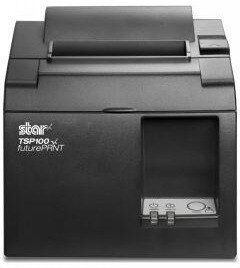
Similar search terms for Star-Micronics-TSP143IIIU-Thermal
Top-Angebote
Products related to Star-Micronics-TSP143IIIU-Thermal:
-
Star Micronics mPOP 58mm Thermal Receipt Printer and Cash Drawer Combo - BlackStar Micronics mPOP combined 58mm thermal receipt printer and cash drawer in black, with auto-cutter. Connectivity includes USB-C and USB-B, plus three USB-A ports (0.5A) for peripherals.443,49 £*Shipping: 0,00 £Secure redirect to the provider
-
Star Micronics mC-Print2 MCP21LBBK 58mm Thermal Receipt Printer, LAN/USB/Bluetooth, BlackStar Micronics mC-Print2 (MCP21LB) 58mm direct thermal receipt printer in black. Partial-cut autocutter (11mm top margin), StarPRNT emulation, supplied with EU and UK power supplies.282,49 £*Shipping: 0,00 £Secure redirect to the provider
-
Star Micronics mC-Print3 MCP31CBI BK E+U 80mm Thermal Receipt Printer, USB-C, USB-A, CloudPRNT - BlackStar Micronics mC-Print3 (MCP31CBI BK E+U) 80 mm thermal POS receipt printer with USB-C and USB-A connectivity and CloudPRNT support. Black, EU/UK version with power supply included.382,49 £*Shipping: 0,00 £Secure redirect to the provider


-
What is the history of thermal power plants?
Thermal power plants have been in existence since the late 19th century when the first coal-fired power plant was built in the United States. Over time, the technology has evolved to include different types of fuel sources such as natural gas, oil, and biomass. These power plants generate electricity by converting heat energy into electrical energy through the use of steam turbines. Despite advancements in renewable energy sources, thermal power plants continue to play a significant role in meeting the world's energy demands. **
-
Among which thermal pads is thermal paste used?
Thermal paste is typically used between the CPU and the heatsink to improve heat transfer. It is not used with thermal pads, as thermal pads are pre-applied or placed between components where a more solid interface is needed. Thermal paste is a better choice for areas where there are small gaps or uneven surfaces that need to be filled for optimal heat dissipation. **
-
What impact do thermal power plants have on the climate?
Thermal power plants have a significant impact on the climate due to their greenhouse gas emissions. These plants release large amounts of carbon dioxide, methane, and other greenhouse gases into the atmosphere, contributing to global warming and climate change. Additionally, thermal power plants also release other pollutants such as sulfur dioxide and nitrogen oxides, which can lead to air pollution and acid rain, further impacting the climate and the environment. Overall, the operation of thermal power plants has a detrimental effect on the climate and contributes to the ongoing challenges of climate change. **
-
What is the difference between thermal energy and thermal power?
Thermal energy refers to the internal energy present in a system due to the motion and interaction of its particles. It is a measure of the total kinetic and potential energy of the particles in a substance. On the other hand, thermal power refers to the rate at which thermal energy is transferred or converted into other forms of energy, such as mechanical or electrical energy. It is a measure of the amount of thermal energy transferred per unit of time. In summary, thermal energy is the total energy present in a system, while thermal power is the rate at which thermal energy is transferred or converted. **


Should one use a thermal pad instead of thermal paste?
Whether to use a thermal pad or thermal paste depends on the specific application and personal preference. Thermal pads are convenient and easy to use, making them a good choice for beginners or for situations where precision application is difficult. However, thermal paste generally provides better thermal conductivity and is often preferred for high-performance applications such as gaming PCs or overclocking. Ultimately, the decision should be based on the specific requirements of the hardware and the user's level of expertise. **
What is the difference between convection, thermal radiation, and thermal conduction?
Convection is the transfer of heat through the movement of fluids (liquids or gases) due to differences in temperature. Thermal radiation is the transfer of heat in the form of electromagnetic waves, such as infrared radiation, without the need for a medium. Thermal conduction is the transfer of heat through a material without any movement of the material itself, as heat is transferred through direct contact between molecules. Each of these processes plays a role in how heat is transferred in different scenarios. **
Top-Angebote
Products related to Star-Micronics-TSP143IIIU-Thermal:
-
Star Micronics TSP143IIIU Thermal Receipt Printer with Cutter, USB - Grey (EU)Star Micronics TSP143IIIU direct thermal receipt printer with an auto-cutter and USB interface, in grey. It supports printing from and charging iOS devices over USB. Supplied with a 1 m USB cable and an EU power cable.199,99 £*Shipping: 0,00 £Secure redirect to the provider
-
Star Micronics TSP143IIU+ Thermal Receipt Printer with Cutter, USB - Grey (EU)Thermal, TSP143IIU+ futurePRNT, 80mm Wide Paper, 24VDC Internal Power Supply, Cutter, Classic USB Interface Printer, Grey Case, EU Version Fast 200mm/s USB receipt printer 80mm paper width with paper saving features Easy-Load “Drop-In & Print” paper loading Internal power supply All set-up accessories are included in the box at purchase Unique futurePRNT software included Autocutter as standard (high quality guillotine cutter) Energy Star compliant160,99 £*Shipping: 0,00 £Secure redirect to the provider
-
Star Micronics mPOP 58mm Thermal Receipt Printer and Cash Drawer Combo - BlackStar Micronics mPOP combined 58mm thermal receipt printer and cash drawer in black, with auto-cutter. Connectivity includes USB-C and USB-B, plus three USB-A ports (0.5A) for peripherals.443,49 £*Shipping: 0,00 £Secure redirect to the provider
-
Star Micronics mC-Print2 MCP21LBBK 58mm Thermal Receipt Printer, LAN/USB/Bluetooth, BlackStar Micronics mC-Print2 (MCP21LB) 58mm direct thermal receipt printer in black. Partial-cut autocutter (11mm top margin), StarPRNT emulation, supplied with EU and UK power supplies.282,49 £*Shipping: 0,00 £Secure redirect to the provider
-
What are solar thermal power plants?
Solar thermal power plants use sunlight to generate electricity by converting solar energy into heat. This heat is used to produce steam, which drives a turbine connected to a generator that produces electricity. These power plants can operate even when the sun is not shining by storing excess heat in thermal storage systems. Solar thermal power plants are a renewable energy source that can provide clean electricity without producing greenhouse gas emissions. **
-
What are the advantages of thermal power plants?
Thermal power plants have several advantages, including their ability to provide a reliable and consistent source of electricity. They are also cost-effective to build and operate, making them a popular choice for many countries. Additionally, thermal power plants can be easily scaled up or down to meet changing energy demands. Finally, they can be located near fuel sources, reducing transportation costs and increasing efficiency. **
-
What is the history of thermal power plants?
Thermal power plants have been in existence since the late 19th century when the first coal-fired power plant was built in the United States. Over time, the technology has evolved to include different types of fuel sources such as natural gas, oil, and biomass. These power plants generate electricity by converting heat energy into electrical energy through the use of steam turbines. Despite advancements in renewable energy sources, thermal power plants continue to play a significant role in meeting the world's energy demands. **
-
Among which thermal pads is thermal paste used?
Thermal paste is typically used between the CPU and the heatsink to improve heat transfer. It is not used with thermal pads, as thermal pads are pre-applied or placed between components where a more solid interface is needed. Thermal paste is a better choice for areas where there are small gaps or uneven surfaces that need to be filled for optimal heat dissipation. **
Similar search terms for Star-Micronics-TSP143IIIU-Thermal
-
Star Micronics mC-Print3 MCP31CBI BK E+U 80mm Thermal Receipt Printer, USB-C, USB-A, CloudPRNT - BlackStar Micronics mC-Print3 (MCP31CBI BK E+U) 80 mm thermal POS receipt printer with USB-C and USB-A connectivity and CloudPRNT support. Black, EU/UK version with power supply included.382,49 £*Shipping: 0,00 £Secure redirect to the provider
-
Star Micronics TSP743II-24 Direct Thermal Receipt/Label/Ticket Printer, 80mm, Cutter, No Interface (Interface & PS60 PSU Not Included) - GreyStar Micronics TSP743II-24 direct thermal printer for receipts, labels and tickets on 80mm wide paper, with auto-cutter and 24V DC input. Grey case, part number 39442410. Supplied without an interface card and without the PS60 power supply; both are required and sold separately.302,99 £*Shipping: 0,00 £Secure redirect to the provider
-
What impact do thermal power plants have on the climate?
Thermal power plants have a significant impact on the climate due to their greenhouse gas emissions. These plants release large amounts of carbon dioxide, methane, and other greenhouse gases into the atmosphere, contributing to global warming and climate change. Additionally, thermal power plants also release other pollutants such as sulfur dioxide and nitrogen oxides, which can lead to air pollution and acid rain, further impacting the climate and the environment. Overall, the operation of thermal power plants has a detrimental effect on the climate and contributes to the ongoing challenges of climate change. **
-
What is the difference between thermal energy and thermal power?
Thermal energy refers to the internal energy present in a system due to the motion and interaction of its particles. It is a measure of the total kinetic and potential energy of the particles in a substance. On the other hand, thermal power refers to the rate at which thermal energy is transferred or converted into other forms of energy, such as mechanical or electrical energy. It is a measure of the amount of thermal energy transferred per unit of time. In summary, thermal energy is the total energy present in a system, while thermal power is the rate at which thermal energy is transferred or converted. **
-
Should one use a thermal pad instead of thermal paste?
Whether to use a thermal pad or thermal paste depends on the specific application and personal preference. Thermal pads are convenient and easy to use, making them a good choice for beginners or for situations where precision application is difficult. However, thermal paste generally provides better thermal conductivity and is often preferred for high-performance applications such as gaming PCs or overclocking. Ultimately, the decision should be based on the specific requirements of the hardware and the user's level of expertise. **
-
What is the difference between convection, thermal radiation, and thermal conduction?
Convection is the transfer of heat through the movement of fluids (liquids or gases) due to differences in temperature. Thermal radiation is the transfer of heat in the form of electromagnetic waves, such as infrared radiation, without the need for a medium. Thermal conduction is the transfer of heat through a material without any movement of the material itself, as heat is transferred through direct contact between molecules. Each of these processes plays a role in how heat is transferred in different scenarios. **
* All prices are inclusive of VAT and, if applicable, plus shipping costs. The offer information is based on the details provided by the respective shop and is updated through automated processes. Real-time updates do not occur, so deviations can occur in individual cases. ** Note: Parts of this content were created by AI.