Buy gewächshäuser.eu ?
We are moving the project
gewächshäuser.eu .
Are you interested in purchasing the domain
gewächshäuser.eu ?
domain@kv-gmbh.de · 0541-91531010
Buy gewächshäuser.eu ?
Are tomato plants annual?
Yes, tomato plants are typically grown as annuals. This means that they complete their life cycle within one growing season, producing fruit and then dying off. However, in some warmer climates, tomato plants can act as perennials and continue to produce fruit for multiple years. Overall, tomato plants are most commonly grown as annuals in most regions. **
Are my tomato plants healthy?
To determine if your tomato plants are healthy, you should look for signs of good growth such as vibrant green leaves, strong stems, and the presence of flowers or fruit. Check for any signs of disease or pest infestation, such as yellowing leaves, spots, or wilting. Additionally, make sure the plants are receiving adequate sunlight, water, and nutrients. If your tomato plants exhibit these positive signs and are free from disease and pests, they are likely healthy. **
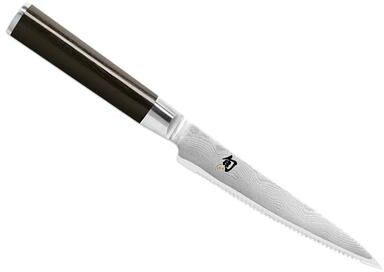
Similar search terms for Shun-DM0722-Classic-Tomato
Top-Angebote
Products related to Shun-DM0722-Classic-Tomato:
-
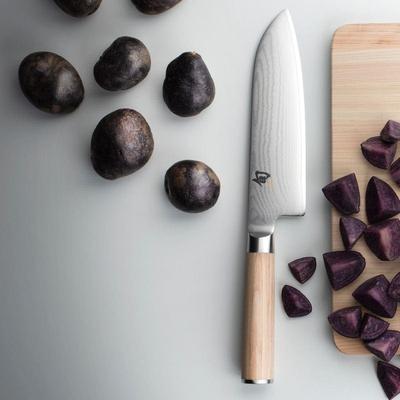
Shun Classic Blonde Chef's Knife* This chef's knife from the Shun Classic Blonde collection can handle nearly every food prep task with ease. Use it for routine cutting tasks like chopping, slicing, and dicing. The rounded belly allows for rocking cuts to mince herbs and garlic169,95 $*Shipping: 0,00 $Secure redirect to the provider
-
Shun DM7240 Classic Kitchen Shears* These kitchen shears will come in handy for a variety of kitchen tasks, like opening food packaging and mincing herbs. Use the notched blade to cut flower stems and thin poultry bones. The blades come apart for easy cleaning too89,95 $*Shipping: 0,00 $Secure redirect to the provider
-
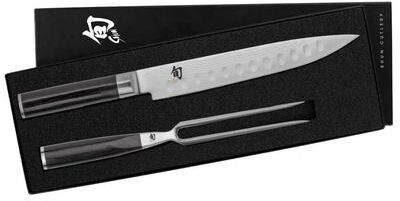
Shun Classic 2 Piece Carving Set* The Shun Classic Carving Knife Set includes the Shun Classic Carving Fork and Shun Classic Hollow-Ground Slicing Knife. This set is ideal for carving meat and poultry. The fork holds food steady, while the knife slices easily with a single stroke.319,95 $*Shipping: 0,00 $Secure redirect to the provider
-
Shun Classic Kiritsuke Knife , 8 Inch* This kiritsuke knife from the Shun Classic collection can handle nearly every food prep task with ease. It's a multi-purpose knife that can slice and dice vegetables, as well as trim and portion meat, poultry, and fish199,95 $*Shipping: 0,00 $Secure redirect to the provider



-
Can rabbits eat tomato plants?
Yes, rabbits can eat tomato plants, but it is not recommended. Tomato plants contain solanine and tomatine, which can be toxic to rabbits if consumed in large quantities. It is best to avoid feeding tomato plants to rabbits and instead provide them with a diet of hay, fresh vegetables, and a small amount of fruit as treats. Always consult with a veterinarian or rabbit specialist for specific dietary recommendations for your pet rabbit. **
-
Is it normal for tomato plants?
It is normal for tomato plants to experience some yellowing of leaves as they age or if they are not receiving enough nutrients. However, if the yellowing is widespread or accompanied by other symptoms such as wilting or spots on the leaves, it may indicate a more serious issue such as a disease or pest infestation. Regular monitoring and proper care, including adequate watering, fertilizing, and pest control, can help keep tomato plants healthy and minimize yellowing of leaves. **
-
Do tomato plants get spotted leaves?
Yes, tomato plants can develop spotted leaves due to various reasons. One common cause of spotted leaves on tomato plants is a fungal disease called early blight, which presents as dark spots with concentric rings. Another possible reason for spotted leaves is bacterial speck or spot, which causes small, dark spots with yellow halos. It is important to properly diagnose the cause of the spotting to implement the appropriate treatment and prevent further damage to the tomato plants. **
-
How many tomato plants per person?
The number of tomato plants per person can vary depending on factors such as the space available for gardening, the individual's consumption of tomatoes, and the variety of tomato plant being grown. On average, one to three tomato plants per person is a good starting point for a home garden. This can provide a steady supply of fresh tomatoes throughout the growing season without overwhelming the gardener with an excessive amount of produce. **


How should tomato plants be pruned?
Tomato plants should be pruned by removing the suckers that grow in the crotch joint between the main stem and branches. This helps to promote better air circulation and sunlight penetration, leading to healthier plants and higher fruit production. Additionally, any yellowing or diseased leaves should be removed to prevent the spread of disease. It is also important to stake or cage tomato plants to support their growth and prevent them from bending or breaking under the weight of the fruit. **
When should tomato plants be planted?
Tomato plants should be planted after the last frost date in your area. This is typically in the spring when the soil has warmed up and the risk of frost has passed. Planting too early can expose the plants to cold temperatures, while planting too late can delay the harvest. It is important to check the specific recommendations for your region to ensure the best timing for planting tomato plants. **
Top-Angebote
Products related to Shun-DM0722-Classic-Tomato:
-
Shun Classic Blonde Chef's Knife* This chef's knife from the Shun Classic Blonde collection can handle nearly every food prep task with ease. Use it for routine cutting tasks like chopping, slicing, and dicing. The rounded belly allows for rocking cuts to mince herbs and garlic169,95 $*Shipping: 0,00 $Secure redirect to the provider
-
Shun DM7240 Classic Kitchen Shears* These kitchen shears will come in handy for a variety of kitchen tasks, like opening food packaging and mincing herbs. Use the notched blade to cut flower stems and thin poultry bones. The blades come apart for easy cleaning too89,95 $*Shipping: 0,00 $Secure redirect to the provider
-
Are tomato plants annual?
Yes, tomato plants are typically grown as annuals. This means that they complete their life cycle within one growing season, producing fruit and then dying off. However, in some warmer climates, tomato plants can act as perennials and continue to produce fruit for multiple years. Overall, tomato plants are most commonly grown as annuals in most regions. **
-
Are my tomato plants healthy?
To determine if your tomato plants are healthy, you should look for signs of good growth such as vibrant green leaves, strong stems, and the presence of flowers or fruit. Check for any signs of disease or pest infestation, such as yellowing leaves, spots, or wilting. Additionally, make sure the plants are receiving adequate sunlight, water, and nutrients. If your tomato plants exhibit these positive signs and are free from disease and pests, they are likely healthy. **
-
Can rabbits eat tomato plants?
Yes, rabbits can eat tomato plants, but it is not recommended. Tomato plants contain solanine and tomatine, which can be toxic to rabbits if consumed in large quantities. It is best to avoid feeding tomato plants to rabbits and instead provide them with a diet of hay, fresh vegetables, and a small amount of fruit as treats. Always consult with a veterinarian or rabbit specialist for specific dietary recommendations for your pet rabbit. **
-
Is it normal for tomato plants?
It is normal for tomato plants to experience some yellowing of leaves as they age or if they are not receiving enough nutrients. However, if the yellowing is widespread or accompanied by other symptoms such as wilting or spots on the leaves, it may indicate a more serious issue such as a disease or pest infestation. Regular monitoring and proper care, including adequate watering, fertilizing, and pest control, can help keep tomato plants healthy and minimize yellowing of leaves. **
Similar search terms for Shun-DM0722-Classic-Tomato
-
Shun Classic 2 Piece Carving Set* The Shun Classic Carving Knife Set includes the Shun Classic Carving Fork and Shun Classic Hollow-Ground Slicing Knife. This set is ideal for carving meat and poultry. The fork holds food steady, while the knife slices easily with a single stroke.319,95 $*Shipping: 0,00 $Secure redirect to the provider
-
Shun Classic Kiritsuke Knife , 8 Inch* This kiritsuke knife from the Shun Classic collection can handle nearly every food prep task with ease. It's a multi-purpose knife that can slice and dice vegetables, as well as trim and portion meat, poultry, and fish199,95 $*Shipping: 0,00 $Secure redirect to the provider
-
Shun Classic 10 Inch Chef's KnifeSome cooks simply prefer a longer chef's knife. For this, the Shun Classic 10-inch Chef's Knife is ideal. The longer blade provides additional cutting leverage and is especially handy when it comes to cutting larger foods.219,95 $*Shipping: 0,00 $Secure redirect to the provider
-
Scanpan Classic 14cm Tomato & Cheese KnifeThe Scanpan Classic 14cm Tomato & Cheese Knife, boasts a long and narrow blade designed to reduce friction which is perfect for slicing cheese thinly. This knife cuts through fruits and vegetables with skins effectively, including tomatoes and peppers. Part of the Scanpan Classic knife collection. Knives are not for sale to persons under the age of 18. - all knives and bladed products are delivered by Age Verified Delivery (AVD). The carrier may request proof of age in order to deliver your parcel. If proof of age is not available, or the recipient is underage, the carrier will refuse to deliver.37,80 £*Shipping: 3,50 £Secure redirect to the provider
-
Do tomato plants get spotted leaves?
Yes, tomato plants can develop spotted leaves due to various reasons. One common cause of spotted leaves on tomato plants is a fungal disease called early blight, which presents as dark spots with concentric rings. Another possible reason for spotted leaves is bacterial speck or spot, which causes small, dark spots with yellow halos. It is important to properly diagnose the cause of the spotting to implement the appropriate treatment and prevent further damage to the tomato plants. **
-
How many tomato plants per person?
The number of tomato plants per person can vary depending on factors such as the space available for gardening, the individual's consumption of tomatoes, and the variety of tomato plant being grown. On average, one to three tomato plants per person is a good starting point for a home garden. This can provide a steady supply of fresh tomatoes throughout the growing season without overwhelming the gardener with an excessive amount of produce. **
-
How should tomato plants be pruned?
Tomato plants should be pruned by removing the suckers that grow in the crotch joint between the main stem and branches. This helps to promote better air circulation and sunlight penetration, leading to healthier plants and higher fruit production. Additionally, any yellowing or diseased leaves should be removed to prevent the spread of disease. It is also important to stake or cage tomato plants to support their growth and prevent them from bending or breaking under the weight of the fruit. **
-
When should tomato plants be planted?
Tomato plants should be planted after the last frost date in your area. This is typically in the spring when the soil has warmed up and the risk of frost has passed. Planting too early can expose the plants to cold temperatures, while planting too late can delay the harvest. It is important to check the specific recommendations for your region to ensure the best timing for planting tomato plants. **
* All prices are inclusive of VAT and, if applicable, plus shipping costs. The offer information is based on the details provided by the respective shop and is updated through automated processes. Real-time updates do not occur, so deviations can occur in individual cases. ** Note: Parts of this content were created by AI.