Buy gewächshäuser.eu ?
We are moving the project
gewächshäuser.eu .
Are you interested in purchasing the domain
gewächshäuser.eu ?
domain@kv-gmbh.de · 0541-91531010
Buy gewächshäuser.eu ?
What are nutrient deficiencies in plants?
Nutrient deficiencies in plants occur when a plant does not receive enough of a specific nutrient that is essential for its growth and development. This can result in stunted growth, yellowing or browning of leaves, and reduced fruit or flower production. Nutrient deficiencies can be caused by poor soil quality, imbalanced fertilization, or environmental factors such as drought or excessive rainfall. Common nutrient deficiencies in plants include nitrogen, phosphorus, potassium, iron, and magnesium. Proper soil testing and fertilization can help prevent and address nutrient deficiencies in plants. **
Is there a nutrient deficiency in my plants?
To determine if there is a nutrient deficiency in your plants, you can look for specific symptoms such as yellowing or browning of leaves, stunted growth, or unusual spotting. You can also conduct a soil test to check for nutrient levels in the soil. If a specific nutrient deficiency is suspected, you can try using a fertilizer that is rich in that particular nutrient to see if it improves the health of your plants. Consulting with a local gardening expert or agricultural extension service can also help in diagnosing and addressing any nutrient deficiencies in your plants. **

Similar search terms for Nutrient
Top-Angebote
Products related to Nutrient:
-
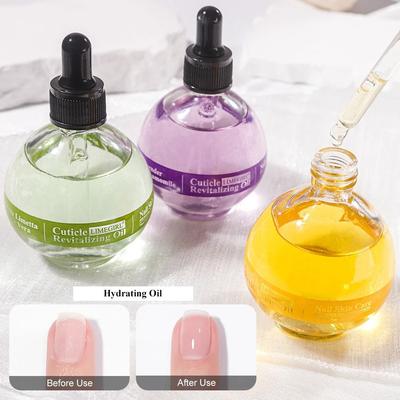
Uplift Essentials Plant Based Cuticle Nutrient Oil greenRestore the natural vitality of your hands with a highcapacity treatment designed for deep cellular repair. This 75ml cuticle nutrient oil is a professionalgrade solution formulated to nourish and repair damaged nails and surrounding skin. Infused...59,97 $*Shipping: 0,00 $Secure redirect to the provider
-
Uplifted Finds All in One Gravity Nutrient Center grayStreamline your pet's feeding area with the AllinOne Gravity Nutrient Center. This compact, dualpurpose station combines a food reservoir and a water dispenser into a single, highefficiency footprint. Using a smart siphon and gravityflow logic, the...114,97 $*Shipping: 0,00 $Secure redirect to the provider
-
Rueber Restructure Only B-Group Vitamin and Nutrient Complex 500mLA hair-care product. It a highly effective vitamin and nutrient complex designed specifically for chemically treated hair. This product deeply restructures dry and very dry hair, focusing on both the shaft and the ends. Intensely nourishes and hydrates dry, coarse hair. Restores structure to damaged hair.21,04 £*Shipping: 10,02 £Secure redirect to the provider
-
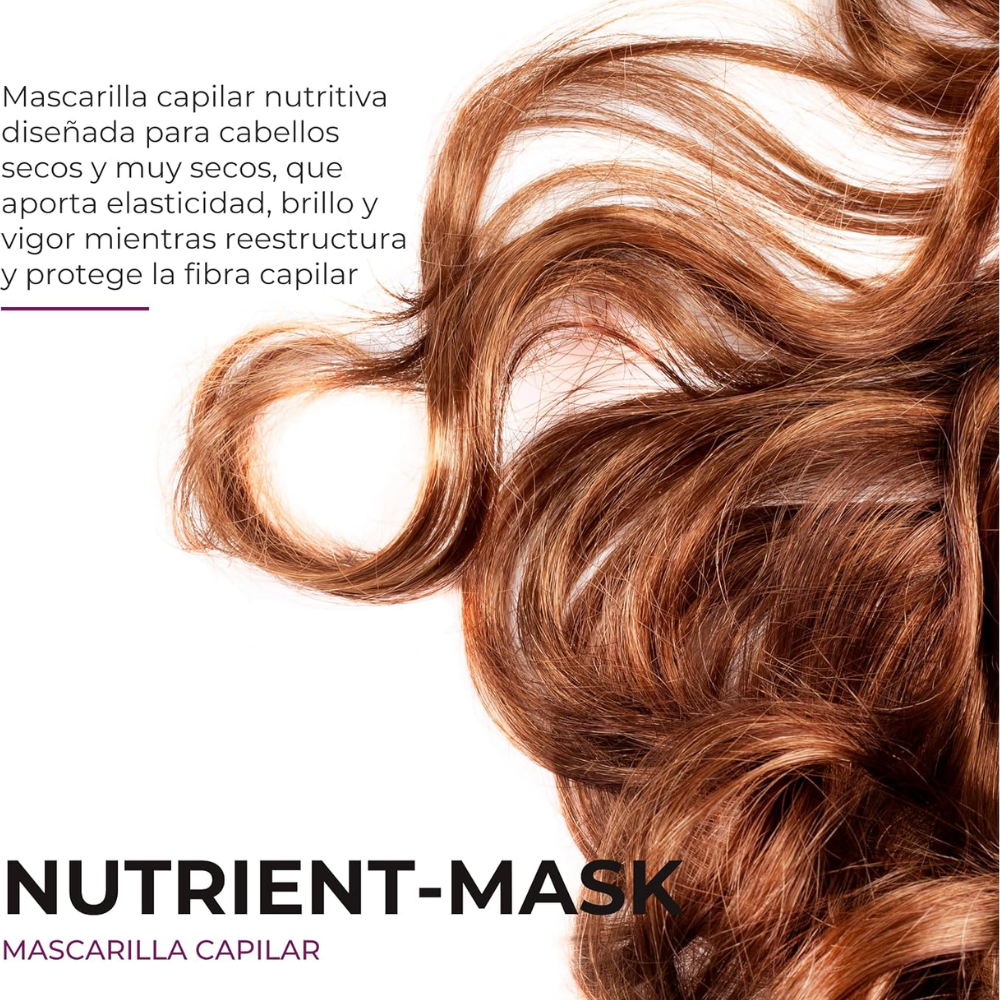
Rueber Innovative Nutrient Nourishing Mask 500mLA hair mask. It a nourishing hair mask rich in amino acids that provides elasticity, vigor, and shine to hair. Its acidic pH protects dry or very dry hair by nourishing and eliminating static electricity. Intensely nourishes and revitalizes dry hair. Improves elasticity and shine. Protects hair structure with an acidic pH.24,01 £*Shipping: 10,02 £Secure redirect to the provider


-
How are nutrient-rich and nutrient-poor zones formed?
Nutrient-rich and nutrient-poor zones are formed in bodies of water due to various factors such as sunlight, temperature, and water movement. Nutrient-rich zones are typically found near the surface where sunlight can penetrate, allowing for photosynthesis to occur and support the growth of phytoplankton and other primary producers. In contrast, nutrient-poor zones are often found in deeper waters where sunlight is limited, leading to lower levels of primary production and nutrients. Additionally, factors like upwelling or currents can also play a role in creating nutrient-rich or nutrient-poor zones by bringing nutrients from deeper waters to the surface or by carrying them away from certain areas. **
-
Which plants bloom on nutrient-poor, stony, and heavy soils?
Plants that are adapted to nutrient-poor, stony, and heavy soils are often referred to as "pioneer plants" or "ruderal plants." These plants have evolved to thrive in harsh, challenging environments and are often the first to colonize disturbed or barren areas. Some examples of plants that bloom on nutrient-poor, stony, and heavy soils include pioneer species like dandelions, yarrow, and thistles. These plants have developed specialized root systems and other adaptations to access the limited nutrients and water available in these challenging soil conditions. **
-
Is nutrient deficiency bad?
Yes, nutrient deficiency is bad for overall health and well-being. When the body lacks essential nutrients such as vitamins, minerals, and macronutrients, it can lead to a range of health problems including weakened immune system, impaired cognitive function, poor physical growth and development, and increased risk of chronic diseases. It is important to maintain a balanced and varied diet to ensure that the body receives all the necessary nutrients for optimal health. **
-
What is a closed nutrient cycle?
A closed nutrient cycle refers to a system where nutrients are recycled and reused within an ecosystem, without any loss of nutrients to the external environment. This process involves the decomposition of organic matter, which releases nutrients back into the soil for plants to absorb. The plants are then consumed by animals, and when these organisms die, their remains decompose and return nutrients back to the soil. This cycle ensures that nutrients are continuously available for the growth and development of organisms within the ecosystem. **

Is cooked rice water nutrient-rich?
Cooked rice water is not as nutrient-rich as uncooked rice water. When rice is cooked, some of the nutrients are lost in the cooking process, such as vitamins and minerals. However, cooked rice water still contains some nutrients like carbohydrates and a small amount of protein. It can be a good source of hydration and may provide some benefits, but it is not as nutrient-dense as uncooked rice water. **
Does the nutrient fertilizer turn brown?
No, nutrient fertilizer does not turn brown. Nutrient fertilizers are typically formulated as granules, powders, or liquids that contain essential nutrients for plant growth. The color of the fertilizer may vary depending on the specific formulation, but it does not change color to brown as it is applied to the soil or plants. **
Top-Angebote
Products related to Nutrient:
-
Rueber Innovative Nutrient Nourishing Mask 200mLA hair mask. It a nourishing hair mask rich in amino acids that provides elasticity, vigor, and shine to hair. Its acidic pH protects dry or very dry hair by nourishing and eliminating static electricity. Intensely nourishes and revitalizes dry hair. Improves elasticity and shine. Protects hair structure with an acidic pH.13,95 £*Shipping: 7,11 £Secure redirect to the provider
-
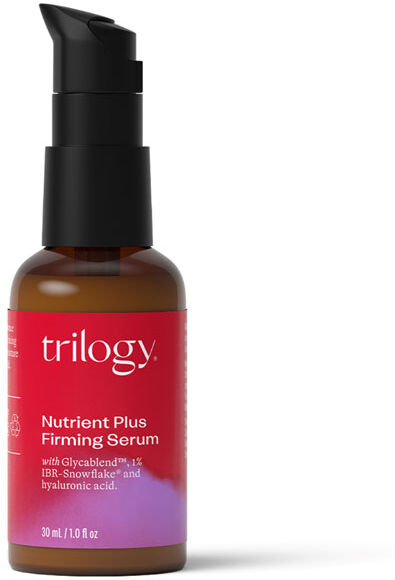
Trilogy Age Proof Nutrient Plus Firming Serum 30mlTrilogy Age Proof Nutrient Plus Firming Serum is a light serum which is packed full of powerful natural actives that revive your skin. Hyaluronic acid, Antioxodant vitamins, Licorice and Mulberry gently firm and lift your complexion, whilst brightening for an all over healthy glow.Softens fine lines and wrinkles. Ingredients Aqua (water), Aloe Barbadensis (Aloe Vera) Leaf Juice, Xanthan gum, Glycyrrhiza glabra (licorice) root extract, Morus alba (mulberry) root extract, Cucumis sativus (cucumber) fruit extract, Chamomilla Recutita Matricaria (Chamomile) Flower Extract, Althaea officinalis (marshmallow) root extract, Sclerocarya birrea (marula) seed oil, Helianthus annuus (sunflower) seed oil, Oenothera biennis (evening primrose) seed oil, Olea europaea (olive) fruit oil, Persea gratissima (avocado) oil, Calendula officinalis flower extract (and) glycine soja (soybean) oil, Rosa canina (rosehip) seed oil, Sodium hyaluronate (hyaluronic acid), Camellia sinensis (green tea) leaf extract, Euterpe Oleracea (Acai) fruit oil (and) tocopherol, Tocopheryl acetate (vitamin e), Citric Acid, Rosmarinus officinalis (rosemary) leaf extract, Dehydroacetic Acid (and) Benzyl Alcohol, Parfum, citronellol*, limonene*, linalool*, *components of natural essential oils. • Vegan • Artificial fragrance free • Artificial colour free • Alcohol free* • Gluten free** • Dairy free*** *Alcohol free: Refers to free from ethanol (ethyl alcohol) **Gluten free: Some Trilogy products contain cetearyl wheat straw glycosides and/or wheat germ oil which may contain traces of gluten *** dairy free: Includes free from dairy derived ingredients Trilogy are updating their brand logo and packaging, please be aware packaging is subject to change.36,50 £*Shipping: 0,00 £Secure redirect to the provider
-
Uplift Essentials Plant Based Cuticle Nutrient Oil greenRestore the natural vitality of your hands with a highcapacity treatment designed for deep cellular repair. This 75ml cuticle nutrient oil is a professionalgrade solution formulated to nourish and repair damaged nails and surrounding skin. Infused...59,97 $*Shipping: 0,00 $Secure redirect to the provider
-
Uplifted Finds All in One Gravity Nutrient Center grayStreamline your pet's feeding area with the AllinOne Gravity Nutrient Center. This compact, dualpurpose station combines a food reservoir and a water dispenser into a single, highefficiency footprint. Using a smart siphon and gravityflow logic, the...114,97 $*Shipping: 0,00 $Secure redirect to the provider
-
What are nutrient deficiencies in plants?
Nutrient deficiencies in plants occur when a plant does not receive enough of a specific nutrient that is essential for its growth and development. This can result in stunted growth, yellowing or browning of leaves, and reduced fruit or flower production. Nutrient deficiencies can be caused by poor soil quality, imbalanced fertilization, or environmental factors such as drought or excessive rainfall. Common nutrient deficiencies in plants include nitrogen, phosphorus, potassium, iron, and magnesium. Proper soil testing and fertilization can help prevent and address nutrient deficiencies in plants. **
-
Is there a nutrient deficiency in my plants?
To determine if there is a nutrient deficiency in your plants, you can look for specific symptoms such as yellowing or browning of leaves, stunted growth, or unusual spotting. You can also conduct a soil test to check for nutrient levels in the soil. If a specific nutrient deficiency is suspected, you can try using a fertilizer that is rich in that particular nutrient to see if it improves the health of your plants. Consulting with a local gardening expert or agricultural extension service can also help in diagnosing and addressing any nutrient deficiencies in your plants. **
-
How are nutrient-rich and nutrient-poor zones formed?
Nutrient-rich and nutrient-poor zones are formed in bodies of water due to various factors such as sunlight, temperature, and water movement. Nutrient-rich zones are typically found near the surface where sunlight can penetrate, allowing for photosynthesis to occur and support the growth of phytoplankton and other primary producers. In contrast, nutrient-poor zones are often found in deeper waters where sunlight is limited, leading to lower levels of primary production and nutrients. Additionally, factors like upwelling or currents can also play a role in creating nutrient-rich or nutrient-poor zones by bringing nutrients from deeper waters to the surface or by carrying them away from certain areas. **
-
Which plants bloom on nutrient-poor, stony, and heavy soils?
Plants that are adapted to nutrient-poor, stony, and heavy soils are often referred to as "pioneer plants" or "ruderal plants." These plants have evolved to thrive in harsh, challenging environments and are often the first to colonize disturbed or barren areas. Some examples of plants that bloom on nutrient-poor, stony, and heavy soils include pioneer species like dandelions, yarrow, and thistles. These plants have developed specialized root systems and other adaptations to access the limited nutrients and water available in these challenging soil conditions. **
Similar search terms for Nutrient
-
Rueber Restructure Only B-Group Vitamin and Nutrient Complex 500mLA hair-care product. It a highly effective vitamin and nutrient complex designed specifically for chemically treated hair. This product deeply restructures dry and very dry hair, focusing on both the shaft and the ends. Intensely nourishes and hydrates dry, coarse hair. Restores structure to damaged hair.21,04 £*Shipping: 10,02 £Secure redirect to the provider
-
Rueber Innovative Nutrient Nourishing Mask 500mLA hair mask. It a nourishing hair mask rich in amino acids that provides elasticity, vigor, and shine to hair. Its acidic pH protects dry or very dry hair by nourishing and eliminating static electricity. Intensely nourishes and revitalizes dry hair. Improves elasticity and shine. Protects hair structure with an acidic pH.24,01 £*Shipping: 10,02 £Secure redirect to the provider
-
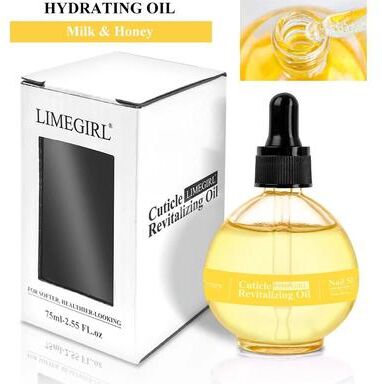
Uplift Essentials Plant Based Cuticle Nutrient Oil yellowRestore the natural vitality of your hands with a highcapacity treatment designed for deep cellular repair. This 75ml cuticle nutrient oil is a professionalgrade solution formulated to nourish and repair damaged nails and surrounding skin. Infused...59,97 $*Shipping: 0,00 $Secure redirect to the provider
-
Uplift Essentials Plant Based Cuticle Nutrient Oil purpleRestore the natural vitality of your hands with a highcapacity treatment designed for deep cellular repair. This 75ml cuticle nutrient oil is a professionalgrade solution formulated to nourish and repair damaged nails and surrounding skin. Infused...59,97 $*Shipping: 0,00 $Secure redirect to the provider
-
Is nutrient deficiency bad?
Yes, nutrient deficiency is bad for overall health and well-being. When the body lacks essential nutrients such as vitamins, minerals, and macronutrients, it can lead to a range of health problems including weakened immune system, impaired cognitive function, poor physical growth and development, and increased risk of chronic diseases. It is important to maintain a balanced and varied diet to ensure that the body receives all the necessary nutrients for optimal health. **
-
What is a closed nutrient cycle?
A closed nutrient cycle refers to a system where nutrients are recycled and reused within an ecosystem, without any loss of nutrients to the external environment. This process involves the decomposition of organic matter, which releases nutrients back into the soil for plants to absorb. The plants are then consumed by animals, and when these organisms die, their remains decompose and return nutrients back to the soil. This cycle ensures that nutrients are continuously available for the growth and development of organisms within the ecosystem. **
-
Is cooked rice water nutrient-rich?
Cooked rice water is not as nutrient-rich as uncooked rice water. When rice is cooked, some of the nutrients are lost in the cooking process, such as vitamins and minerals. However, cooked rice water still contains some nutrients like carbohydrates and a small amount of protein. It can be a good source of hydration and may provide some benefits, but it is not as nutrient-dense as uncooked rice water. **
-
Does the nutrient fertilizer turn brown?
No, nutrient fertilizer does not turn brown. Nutrient fertilizers are typically formulated as granules, powders, or liquids that contain essential nutrients for plant growth. The color of the fertilizer may vary depending on the specific formulation, but it does not change color to brown as it is applied to the soil or plants. **
* All prices are inclusive of VAT and, if applicable, plus shipping costs. The offer information is based on the details provided by the respective shop and is updated through automated processes. Real-time updates do not occur, so deviations can occur in individual cases. ** Note: Parts of this content were created by AI.