Buy gewächshäuser.eu ?
We are moving the project
gewächshäuser.eu .
Are you interested in purchasing the domain
gewächshäuser.eu ?
domain@kv-gmbh.de · 0541-91531010
Buy gewächshäuser.eu ?
What is the difference between felt and nonwoven fabric?
Felt is a type of nonwoven fabric that is made by compressing and matting fibers together, usually wool or synthetic fibers, using heat, moisture, and pressure. Nonwoven fabric, on the other hand, refers to a broader category of fabrics that are made by bonding or interlocking fibers together without weaving or knitting. Felt specifically has a denser and more compact structure compared to other types of nonwoven fabrics, making it ideal for applications requiring durability and insulation. **
What are the different nonwoven fabrics made from SS, PP, and PE?
Nonwoven fabrics made from SS (spunbond/spunbond) are typically used for applications requiring high strength and durability, such as geotextiles, agriculture covers, and medical protective clothing. PP (polypropylene) nonwoven fabrics are known for their softness, breathability, and moisture resistance, making them suitable for use in hygiene products like diapers, sanitary napkins, and wipes. PE (polyethylene) nonwoven fabrics are often used in industrial applications due to their chemical resistance and barrier properties, such as in protective clothing, filtration materials, and packaging. **


Similar search terms for Nonwoven
Top-Angebote
Products related to Nonwoven:


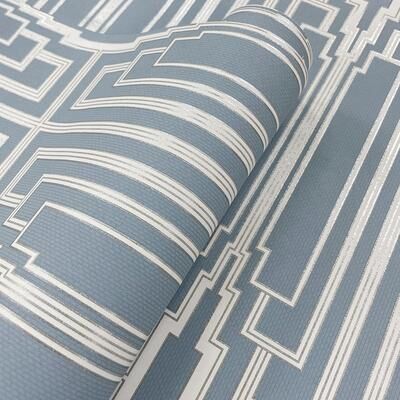

-
How is a double needled nonwoven fabric used as impact sound insulation under laminate?
A double needled nonwoven fabric is used as impact sound insulation under laminate flooring to reduce the transmission of impact noise, such as footsteps or dropped objects, from the floor above. The fabric is placed between the subfloor and the laminate flooring to absorb and dampen the impact energy, thereby reducing the sound transmitted through the floor. The double needled construction of the fabric provides enhanced density and thickness, which further improves its sound insulation properties. Overall, the fabric helps to create a quieter and more comfortable indoor environment by minimizing the impact noise associated with laminate flooring. **
-
Do coca plants grow in a greenhouse?
Yes, coca plants can be grown in a greenhouse. Greenhouses provide a controlled environment with regulated temperature, humidity, and light, which can be beneficial for the growth of coca plants. Growing coca plants in a greenhouse also allows for protection from pests and diseases, as well as the ability to extend the growing season. However, it is important to note that the cultivation of coca plants is regulated in many countries due to their association with the production of cocaine. **
-
How are plants cultivated in agriculture in the temperate zone?
In the temperate zone, plants are cultivated in agriculture through a variety of methods. These include crop rotation, where different crops are planted in the same field in successive seasons to improve soil fertility and reduce pests and diseases. Additionally, farmers may use greenhouses or high tunnels to extend the growing season and protect plants from harsh weather. In some cases, irrigation systems are used to ensure that plants receive enough water, especially during dry periods. Finally, farmers may also use technology such as tractors and other machinery to help with planting, harvesting, and other tasks. **
-
What is a period in horticulture?
In horticulture, a period refers to a specific stage or phase in the growth and development of plants. This could include the germination period, the flowering period, the fruiting period, or the dormancy period. Each period is characterized by specific physiological and environmental requirements for the plants, and horticulturists must understand and manage these periods to ensure the health and productivity of the plants. Understanding the different periods in horticulture is essential for successful plant cultivation and management. **
How can I protect my plants in the greenhouse from snail damage?
To protect your plants in the greenhouse from snail damage, you can start by creating a barrier around the base of your plants using copper tape or mesh. Snails are repelled by the electric charge produced when they come into contact with copper, so this can help keep them away. Additionally, you can handpick snails from your greenhouse and dispose of them, or use natural predators such as ducks or certain species of beetles to control the snail population. Finally, keeping the greenhouse clean and free of debris can help reduce the hiding spots for snails. **
Should I study horticulture or agricultural sciences?
The decision between studying horticulture or agricultural sciences depends on your interests and career goals. If you are passionate about plants, landscaping, and gardening, horticulture may be the better choice for you. On the other hand, if you are interested in the broader aspects of food production, crop management, and agricultural policy, then agricultural sciences might be a better fit. Consider your strengths, career aspirations, and the specific skills and knowledge you want to gain before making a decision. **
Top-Angebote
Products related to Nonwoven:
-
DII Nonwoven Polyester Cube PineappleTake Back Your Space with DII Storage Bins Non-Woven storage bins are a fun and creative way to organize and store toys, clothes, blankets, towels, books, knick knacks and more. Tired of clutter in the kids room, living room, or laundry room?21,99 $*Shipping: 0,00 $Secure redirect to the provider
-
What is the difference between felt and nonwoven fabric?
Felt is a type of nonwoven fabric that is made by compressing and matting fibers together, usually wool or synthetic fibers, using heat, moisture, and pressure. Nonwoven fabric, on the other hand, refers to a broader category of fabrics that are made by bonding or interlocking fibers together without weaving or knitting. Felt specifically has a denser and more compact structure compared to other types of nonwoven fabrics, making it ideal for applications requiring durability and insulation. **
-
What are the different nonwoven fabrics made from SS, PP, and PE?
Nonwoven fabrics made from SS (spunbond/spunbond) are typically used for applications requiring high strength and durability, such as geotextiles, agriculture covers, and medical protective clothing. PP (polypropylene) nonwoven fabrics are known for their softness, breathability, and moisture resistance, making them suitable for use in hygiene products like diapers, sanitary napkins, and wipes. PE (polyethylene) nonwoven fabrics are often used in industrial applications due to their chemical resistance and barrier properties, such as in protective clothing, filtration materials, and packaging. **
-
How is a double needled nonwoven fabric used as impact sound insulation under laminate?
A double needled nonwoven fabric is used as impact sound insulation under laminate flooring to reduce the transmission of impact noise, such as footsteps or dropped objects, from the floor above. The fabric is placed between the subfloor and the laminate flooring to absorb and dampen the impact energy, thereby reducing the sound transmitted through the floor. The double needled construction of the fabric provides enhanced density and thickness, which further improves its sound insulation properties. Overall, the fabric helps to create a quieter and more comfortable indoor environment by minimizing the impact noise associated with laminate flooring. **
-
Do coca plants grow in a greenhouse?
Yes, coca plants can be grown in a greenhouse. Greenhouses provide a controlled environment with regulated temperature, humidity, and light, which can be beneficial for the growth of coca plants. Growing coca plants in a greenhouse also allows for protection from pests and diseases, as well as the ability to extend the growing season. However, it is important to note that the cultivation of coca plants is regulated in many countries due to their association with the production of cocaine. **
Similar search terms for Nonwoven
-
How are plants cultivated in agriculture in the temperate zone?
In the temperate zone, plants are cultivated in agriculture through a variety of methods. These include crop rotation, where different crops are planted in the same field in successive seasons to improve soil fertility and reduce pests and diseases. Additionally, farmers may use greenhouses or high tunnels to extend the growing season and protect plants from harsh weather. In some cases, irrigation systems are used to ensure that plants receive enough water, especially during dry periods. Finally, farmers may also use technology such as tractors and other machinery to help with planting, harvesting, and other tasks. **
-
What is a period in horticulture?
In horticulture, a period refers to a specific stage or phase in the growth and development of plants. This could include the germination period, the flowering period, the fruiting period, or the dormancy period. Each period is characterized by specific physiological and environmental requirements for the plants, and horticulturists must understand and manage these periods to ensure the health and productivity of the plants. Understanding the different periods in horticulture is essential for successful plant cultivation and management. **
-
How can I protect my plants in the greenhouse from snail damage?
To protect your plants in the greenhouse from snail damage, you can start by creating a barrier around the base of your plants using copper tape or mesh. Snails are repelled by the electric charge produced when they come into contact with copper, so this can help keep them away. Additionally, you can handpick snails from your greenhouse and dispose of them, or use natural predators such as ducks or certain species of beetles to control the snail population. Finally, keeping the greenhouse clean and free of debris can help reduce the hiding spots for snails. **
-
Should I study horticulture or agricultural sciences?
The decision between studying horticulture or agricultural sciences depends on your interests and career goals. If you are passionate about plants, landscaping, and gardening, horticulture may be the better choice for you. On the other hand, if you are interested in the broader aspects of food production, crop management, and agricultural policy, then agricultural sciences might be a better fit. Consider your strengths, career aspirations, and the specific skills and knowledge you want to gain before making a decision. **
* All prices are inclusive of VAT and, if applicable, plus shipping costs. The offer information is based on the details provided by the respective shop and is updated through automated processes. Real-time updates do not occur, so deviations can occur in individual cases. ** Note: Parts of this content were created by AI.