Buy gewächshäuser.eu ?
We are moving the project
gewächshäuser.eu .
Are you interested in purchasing the domain
gewächshäuser.eu ?
domain@kv-gmbh.de · 0541-91531010
Buy gewächshäuser.eu ?
How can one iterate through a Python list?
One can iterate through a Python list using a for loop. The for loop allows you to loop through each element in the list and perform some action on each element. For example, you can use the following syntax to iterate through a list: ``` my_list = [1, 2, 3, 4, 5] for item in my_list: print(item) ``` This will print each element in the list on a new line. **
How can I iterate through a tree in Java?
You can iterate through a tree in Java using depth-first or breadth-first traversal algorithms. For depth-first traversal, you can use recursion to visit each node in the tree, starting from the root and then visiting the left and right subtrees. For breadth-first traversal, you can use a queue data structure to visit each level of the tree before moving on to the next level. You can implement these traversal algorithms using either iterative or recursive approaches, depending on your preference and the specific requirements of your application. **


Similar search terms for Iterate
Top-Angebote
Products related to Iterate:
-
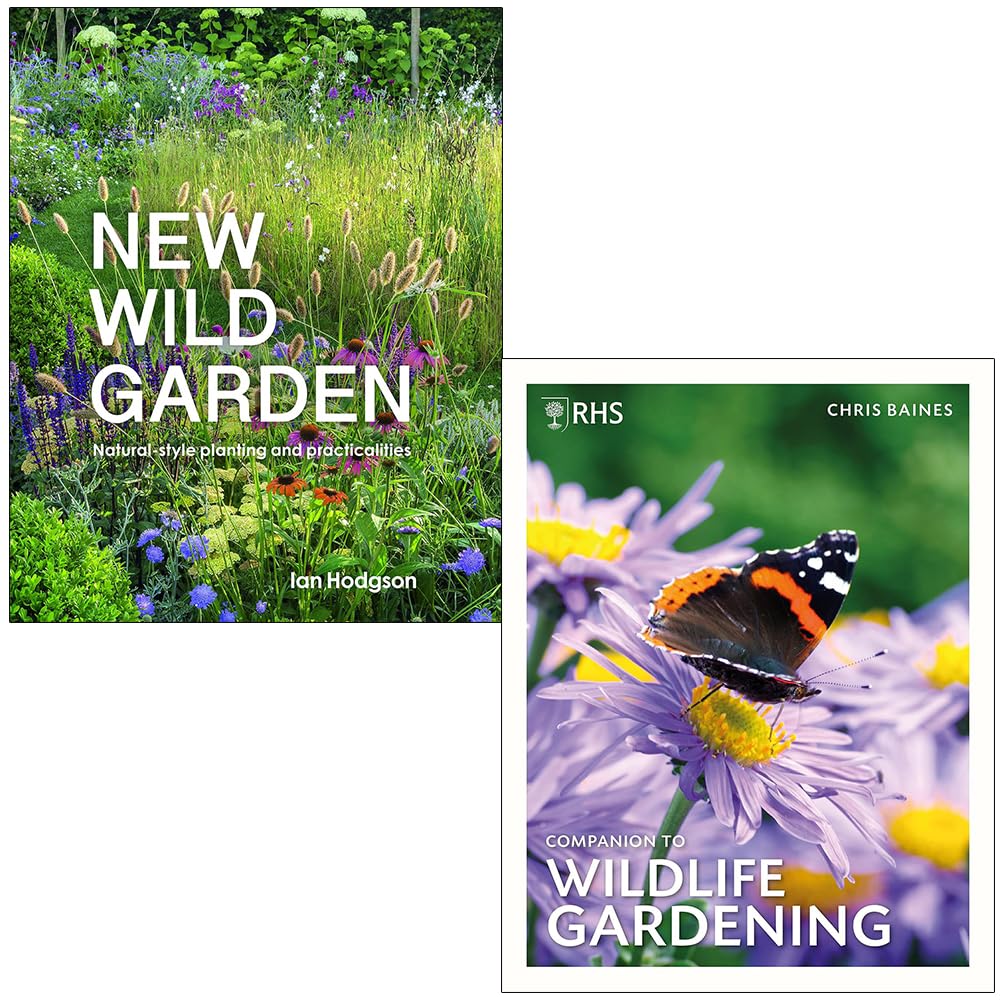
Frances Lincoln New Wild Garden & RHS Wildlife Gardening 2 Books Collection Set – Gardening Guide CollectionNew Wild Garden Natural-style planting and practicalities By Ian Hodgson & RHS Companion To Wildlife Gardening By Chris Baines 2 Books Collection Set: New Wild Garden: Natural-style planting and practicalities: The New Wild Garden combines new approaches to a more naturalistic design with the practical side of growing wildflowers and shows how to incorporate wildflowers, real meadows and a looser prarie-style planting into gardens and wild spaces.With serious concern into the decline of pollinators and habitats, meadows are currently the focus of enormous creativity. Gardeners, wildlife lovers, professional designers and seed manufacturers are all pushing the envelope of what can be grown, the pictorial effects that can be achieved, and the benefits that this provides for gardeners and wildlife. RHS Companion to Wildlife Gardening: This best-selling book was first published as How to Make a Wildlife Garden, and launched at the 1985 Chelsea Flower Show, making wildlife a mainstream issue for gardeners and the public. Now fully revised and updated by the author, this beautiful new freshly illustrated edition highlights the changes in garden wildlife over the past 35 years.Incorporating RHS research, updated best practice and addressing a multitude of controversial conservation issues, this stunning guide is also a celebration of the rich variety of wild plants and animals that can bring a beautiful garden to life.16,49 £*Shipping: 2,99 £Secure redirect to the provider
-
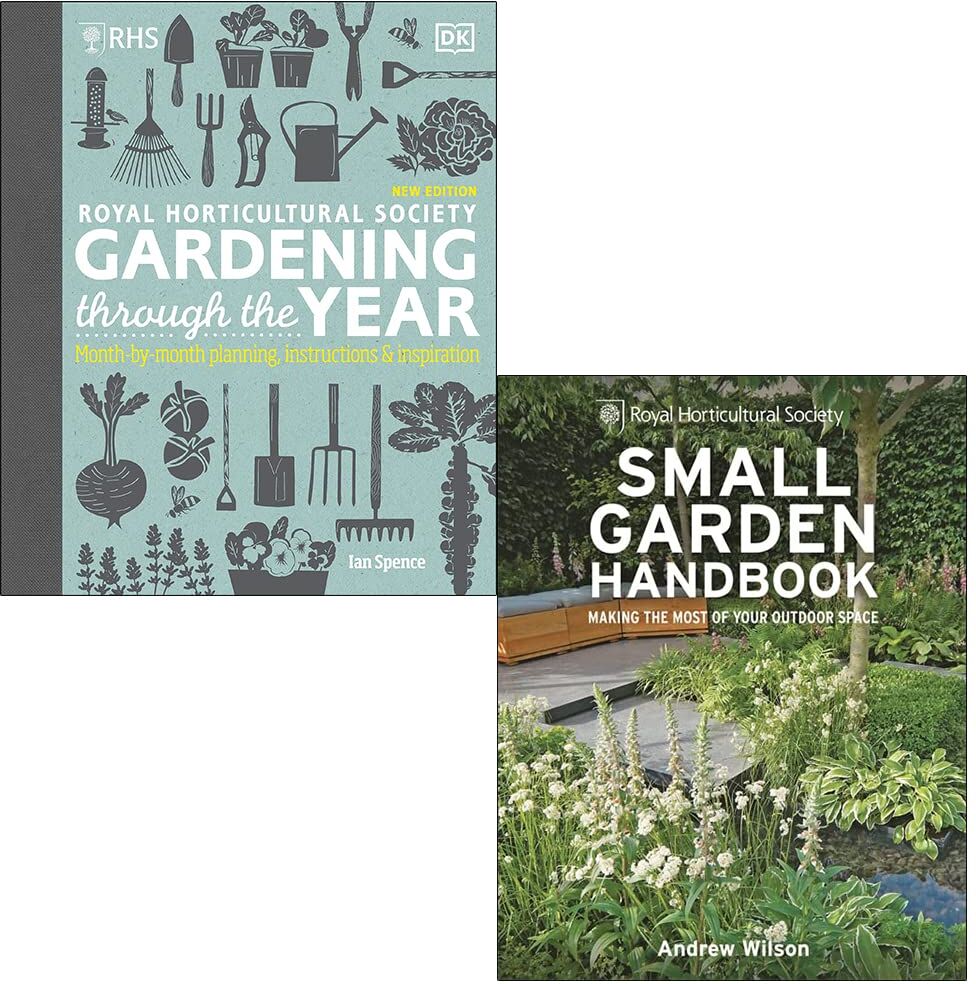
DK RHS Gardening Through the Year & Small Garden Handbook 2 Book Set – Seasonal Gardening & Design GuideRHS Gardening Through the Year By Ian Spence & RHS Small Garden Handbook By Andrew Wilson 2 Books Collection Set: RHS Gardening Through the Year: Find out when the best time is for pruning rose bushes, when your potatoes will be ready to harvest, how to keep your lawn green and well-fed, and learn how to plan ahead with this comprehensive gardening book. Keep on top of garden tasks with month-by-month chapters, "Last Chance" reminders, "Get Ahead" tips, and handy to-do lists. This RHS book will make gardening easier by providing helpful guidelines and realistic advice, so you can plan out your time efficiently and effectively. Packed with beautiful photo galleries that showcase each month's "Star Plant", you'll be inspired to have your own garden blooming throughout the year! Explore more than 350 different varieties in the A-Z illustrated plant directory. RHS Small Garden Handbook: RHS Small Garden Handbook provides an all-in-one guide for small space gardeners and draws on the experience in growing, planting, landscaping and design for which the RHS is world famous. It begins by explaining how to assess your plot so that you are aware of the soil, orientation, microclimate, existing materials and proportions that you have to work with, before revealing the principles of good design. Showing how your decisions on layout, colour and texture will affect the finished design and what tricks can be played to create a greater sense of space - with everything from expert design advice on boundaries, hedges and fences to clever ideas for containers and storage - every gardener will gain confidence in creating a garden to enjoy no matter how big the plot.19,95 £*Shipping: 2,99 £Secure redirect to the provider
-
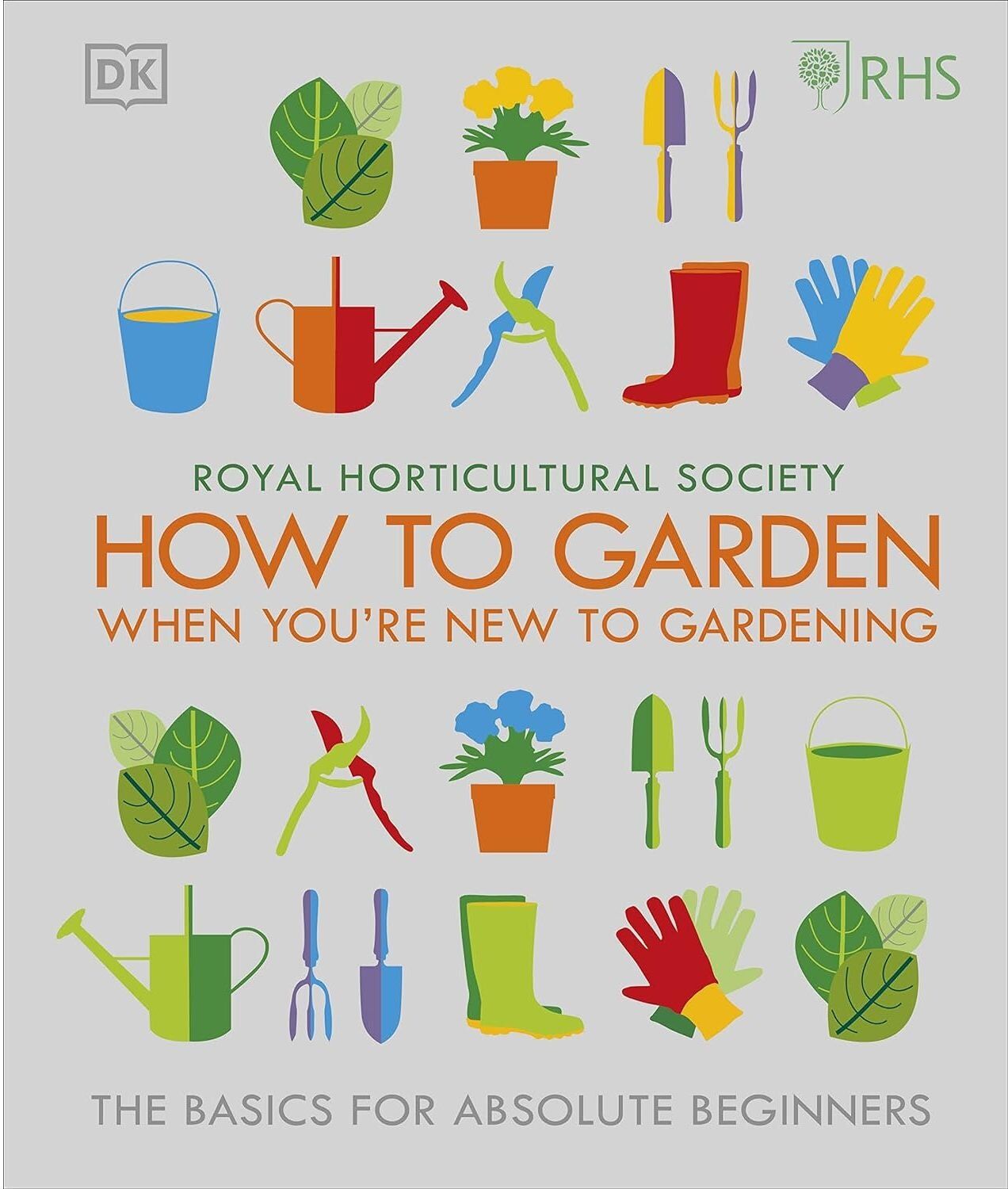
DK How to Garden When You’re New to Gardening by Royal Horticultural Society – Beginner’s Guide to Gardening BasicsIf the desire to start a garden has been planted in your heart, then this essential guide is a wonderful companion to accompany you on your new adventure!If you're not sure of the first steps to take, this handbook takes the anxiety out of plotting and planting and equips you with all the know-how and confidence you need to get digging into your garden.Creating a garden that you can enjoy and keep looking beautiful all year round is easier than you think!With the expertise of the Royal Horticultural Society, you'll find simple step-by-step instructions, with clear images to help you create your dream garden, no matter the size and scale.Get to know your garden and choose plants that will grow well in particular soil types and conditions year after year. From growing root crop to cutting back ivy, this book gives you lots of simple garden ideas and projects that you can do yourself.Even if you've never sowed a seed or pulled a weed, RHS How to Garden When You're New To Gardening contains everything you need to kickstart your new outdoor hobby! This refreshingly accessible book is perfect for the novice gardener who wants to make the most of whatever garden they have.Your Guide to Creating the Garden of Your DreamsDo you want to create a garden you can show off with pride? Would you like to grow your own food? This book will get you started quickly! By following the simple steps and projects outlined in this book, you will reap instant rewards and long-term successes so that you can enjoy your garden in all seasons.Inside the pages of this comprehensive gardening book, you'll discover:- Clear definitions and descriptions of the different types of plants.- Tips on choosing the type of garden you want.- Easy-to-follow instructions for choosing the right plants for your soil.- Simple step-by-step instructions to producing your first crop.- Practical gardening advice on planting, growing, and caring for different plants.7,99 £*Shipping: 2,99 £Secure redirect to the provider
-
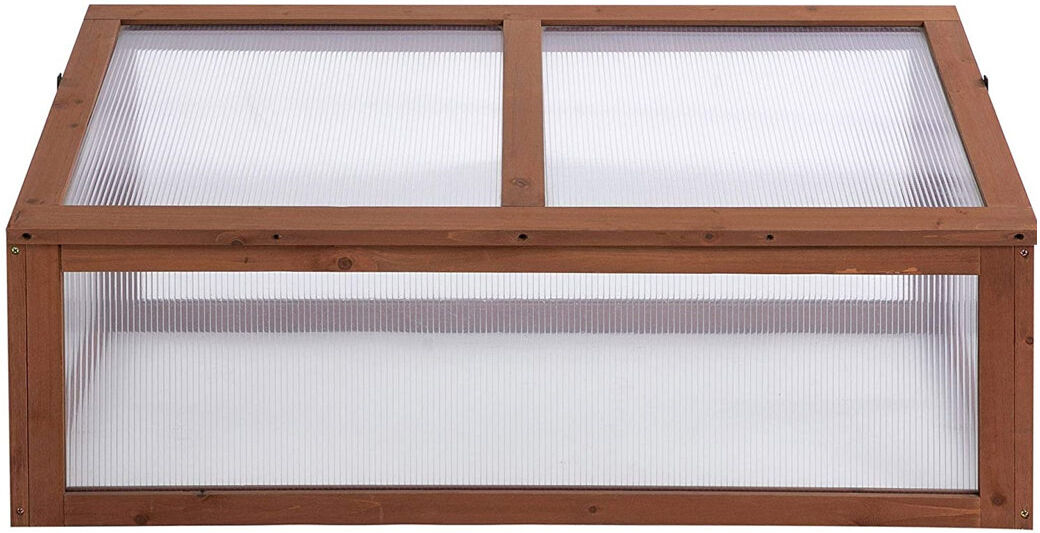
HOMCOM Bluemilk Wooden Cold Frame Greenhouse for Plants 100 x 65 x 40cm Brown Clear 40cm H X 100cm W X 65cm DThis wooden greenhouse with a simple and rustic appearance can be a perfect choice for you to take care of your lovely plants. A high-quality solid wood frame creates a reliable little house. Transparent polycarbonate panels allow maximum light transmission while retaining heat for early seed sprouting or for protecting plants late in the season. Openable cover for good ventilation and easy to take care of the plants. A hinge device can reduce the collision noise when the cover is closed. The top slope design prevents rainwater accumulation. HOMCOM45,58 £*Shipping: 4,99 £Secure redirect to the provider
-
How can one iterate through a Java array in reverse?
To iterate through a Java array in reverse, you can start by initializing a loop that runs from the last index of the array to the first index. You can achieve this by starting the loop with the array length minus one and decrementing the index until it reaches zero. Within the loop, you can access the elements of the array using the index to iterate through the array in reverse order. **
-
How do you iterate through a two-dimensional array using a for loop?
To iterate through a two-dimensional array using a for loop, you would typically use nested loops. One loop would iterate over the rows of the array, and within that loop, another loop would iterate over the columns. By using the row index and column index, you can access each element of the two-dimensional array. This nested loop structure allows you to systematically traverse through all elements of the array. **
-
How can you iterate through two variables in a for loop in Python?
To iterate through two variables in a for loop in Python, you can use the `zip()` function to combine the two variables into pairs. For example, if you have two lists `list1` and `list2`, you can iterate through them simultaneously like this: ```python list1 = [1, 2, 3] list2 = ['a', 'b', 'c'] for item1, item2 in zip(list1, list2): print(item1, item2) ``` This will output: ``` 1 a 2 b 3 c ``` **
-
How can one iterate through all the possibilities of a list in Python?
One can iterate through all the possibilities of a list in Python using a for loop. By using the for loop, one can iterate through each element in the list and perform operations on them. Additionally, one can use list comprehension to iterate through the list and perform operations on each element in a more concise way. Another option is to use the itertools module, which provides functions for creating iterators for efficient looping through the elements of a list. **

How can I iterate through a list and add up all the values?
You can iterate through a list using a for loop and add up all the values by initializing a variable to store the sum and then adding each value to it as you iterate through the list. Here's an example in Python: ```python my_list = [1, 2, 3, 4, 5] total = 0 for value in my_list: total += value print(total) # Output: 15 ``` In this example, we initialize the variable `total` to 0 and then use a for loop to iterate through the `my_list` and add each value to `total`. Finally, we print the total sum. **
How can one iterate through a HashMap and output the value for the correct key?
To iterate through a HashMap and output the value for the correct key, you can use a for-each loop or an iterator. You can use the keySet() method to get a set of all the keys in the HashMap, and then iterate through this set to access the corresponding values using the get() method. Alternatively, you can use the entrySet() method to get a set of key-value pairs, and then iterate through this set to access both the key and value directly. Finally, you can use the forEach() method to iterate through the key-value pairs and perform an action for each entry. **
Top-Angebote
Products related to Iterate:
-
BBC Books RHS How to Garden 3 Book Set – Perennial Plants, Grow Food for Free & Gardening Guide CollectionHow to Garden Perennial Garden Plants, RHS How To Garden (HB), Grow Food for Free (HB) 3 Books Collection Set Alan Titchmarsh How to Garden: Perennial Garden Plants Herbaceous perennials flower each year, dying down in the winter and springing back to life the following spring. They are central features in the landscape of a garden as they appear year-after-year and must be regarded as constant features. This book gives the expert view on the vast array of flowers available. Includes: creative garden ideas and border planting plans practical advice on care, maintenance and propagation illustrated A-Z profiles of recommended plants recommended plants for specific purposes, conditions and effects step-by-step illustrations showing essential techniques Alan Titchmarsh imparts a lifetime of expertise in these definitive guides for beginners and experienced gardeners. Step-by-step illustrations and easy-to-follow instructions guide you through the basic gardening skills and on to the advanced techniques, providing everything you need to create beautiful flower borders in your garden. RHS How To Garden When You're New To Gardening: The Basics For Absolute Beginners (Hardback) If the desire to start a garden has been planted in your heart, then this essential guide is a wonderful companion to accompany you on your new adventure! If you're not sure of the first steps to take, this handbook takes the anxiety out of plotting and planting and equips you with all the know-how and confidence you need to get digging into your garden. Creating a garden that you can enjoy and keep looking beautiful all year round is easier than you think!With the expertise of the Royal Horticultural Society, you'll find simple step-by-step instructions, with clear images to help you create your dream garden, no matter the size and scale. Get to know your garden and choose plants that will grow well in particular soil types and conditions year after year. From growing root crop to cutting back ivy, this book gives you lots of simple garden ideas and projects that you can do yourself. Even if you've never sowed a seed or pulled a weed, RHS How to Garden When You're New To Gardening contains everything you need to kickstart your new outdoor hobby! This refreshingly accessible book is perfect for the novice gardener who wants to make the most of whatever garden they have. Your Guide to Creating the Garden of Your Dreams Do you want to create a garden you can show off with pride? Would you like to grow your own food? This book will get you started quickly! By following the simple steps and projects outlined in this book, you will reap instant rewards and long-term successes so that you can enjoy your garden in all seasons. Inside the pages of this comprehensive gardening book, you'll discover: - Clear definitions and descriptions of the different types of plants. - Tips on choosing the type of garden you want. - Easy-to-follow instructions for choosing the right plants for your soil....14,99 £*Shipping: 2,99 £Secure redirect to the provider
-
Frances Lincoln New Wild Garden & RHS Wildlife Gardening 2 Books Collection Set – Gardening Guide CollectionNew Wild Garden Natural-style planting and practicalities By Ian Hodgson & RHS Companion To Wildlife Gardening By Chris Baines 2 Books Collection Set: New Wild Garden: Natural-style planting and practicalities: The New Wild Garden combines new approaches to a more naturalistic design with the practical side of growing wildflowers and shows how to incorporate wildflowers, real meadows and a looser prarie-style planting into gardens and wild spaces.With serious concern into the decline of pollinators and habitats, meadows are currently the focus of enormous creativity. Gardeners, wildlife lovers, professional designers and seed manufacturers are all pushing the envelope of what can be grown, the pictorial effects that can be achieved, and the benefits that this provides for gardeners and wildlife. RHS Companion to Wildlife Gardening: This best-selling book was first published as How to Make a Wildlife Garden, and launched at the 1985 Chelsea Flower Show, making wildlife a mainstream issue for gardeners and the public. Now fully revised and updated by the author, this beautiful new freshly illustrated edition highlights the changes in garden wildlife over the past 35 years.Incorporating RHS research, updated best practice and addressing a multitude of controversial conservation issues, this stunning guide is also a celebration of the rich variety of wild plants and animals that can bring a beautiful garden to life.16,49 £*Shipping: 2,99 £Secure redirect to the provider
-
DK RHS Gardening Through the Year & Small Garden Handbook 2 Book Set – Seasonal Gardening & Design GuideRHS Gardening Through the Year By Ian Spence & RHS Small Garden Handbook By Andrew Wilson 2 Books Collection Set: RHS Gardening Through the Year: Find out when the best time is for pruning rose bushes, when your potatoes will be ready to harvest, how to keep your lawn green and well-fed, and learn how to plan ahead with this comprehensive gardening book. Keep on top of garden tasks with month-by-month chapters, "Last Chance" reminders, "Get Ahead" tips, and handy to-do lists. This RHS book will make gardening easier by providing helpful guidelines and realistic advice, so you can plan out your time efficiently and effectively. Packed with beautiful photo galleries that showcase each month's "Star Plant", you'll be inspired to have your own garden blooming throughout the year! Explore more than 350 different varieties in the A-Z illustrated plant directory. RHS Small Garden Handbook: RHS Small Garden Handbook provides an all-in-one guide for small space gardeners and draws on the experience in growing, planting, landscaping and design for which the RHS is world famous. It begins by explaining how to assess your plot so that you are aware of the soil, orientation, microclimate, existing materials and proportions that you have to work with, before revealing the principles of good design. Showing how your decisions on layout, colour and texture will affect the finished design and what tricks can be played to create a greater sense of space - with everything from expert design advice on boundaries, hedges and fences to clever ideas for containers and storage - every gardener will gain confidence in creating a garden to enjoy no matter how big the plot.19,95 £*Shipping: 2,99 £Secure redirect to the provider
-
How can one iterate through a Python list?
One can iterate through a Python list using a for loop. The for loop allows you to loop through each element in the list and perform some action on each element. For example, you can use the following syntax to iterate through a list: ``` my_list = [1, 2, 3, 4, 5] for item in my_list: print(item) ``` This will print each element in the list on a new line. **
-
How can I iterate through a tree in Java?
You can iterate through a tree in Java using depth-first or breadth-first traversal algorithms. For depth-first traversal, you can use recursion to visit each node in the tree, starting from the root and then visiting the left and right subtrees. For breadth-first traversal, you can use a queue data structure to visit each level of the tree before moving on to the next level. You can implement these traversal algorithms using either iterative or recursive approaches, depending on your preference and the specific requirements of your application. **
-
How can one iterate through a Java array in reverse?
To iterate through a Java array in reverse, you can start by initializing a loop that runs from the last index of the array to the first index. You can achieve this by starting the loop with the array length minus one and decrementing the index until it reaches zero. Within the loop, you can access the elements of the array using the index to iterate through the array in reverse order. **
-
How do you iterate through a two-dimensional array using a for loop?
To iterate through a two-dimensional array using a for loop, you would typically use nested loops. One loop would iterate over the rows of the array, and within that loop, another loop would iterate over the columns. By using the row index and column index, you can access each element of the two-dimensional array. This nested loop structure allows you to systematically traverse through all elements of the array. **
Similar search terms for Iterate
-
DK How to Garden When You’re New to Gardening by Royal Horticultural Society – Beginner’s Guide to Gardening BasicsIf the desire to start a garden has been planted in your heart, then this essential guide is a wonderful companion to accompany you on your new adventure!If you're not sure of the first steps to take, this handbook takes the anxiety out of plotting and planting and equips you with all the know-how and confidence you need to get digging into your garden.Creating a garden that you can enjoy and keep looking beautiful all year round is easier than you think!With the expertise of the Royal Horticultural Society, you'll find simple step-by-step instructions, with clear images to help you create your dream garden, no matter the size and scale.Get to know your garden and choose plants that will grow well in particular soil types and conditions year after year. From growing root crop to cutting back ivy, this book gives you lots of simple garden ideas and projects that you can do yourself.Even if you've never sowed a seed or pulled a weed, RHS How to Garden When You're New To Gardening contains everything you need to kickstart your new outdoor hobby! This refreshingly accessible book is perfect for the novice gardener who wants to make the most of whatever garden they have.Your Guide to Creating the Garden of Your DreamsDo you want to create a garden you can show off with pride? Would you like to grow your own food? This book will get you started quickly! By following the simple steps and projects outlined in this book, you will reap instant rewards and long-term successes so that you can enjoy your garden in all seasons.Inside the pages of this comprehensive gardening book, you'll discover:- Clear definitions and descriptions of the different types of plants.- Tips on choosing the type of garden you want.- Easy-to-follow instructions for choosing the right plants for your soil.- Simple step-by-step instructions to producing your first crop.- Practical gardening advice on planting, growing, and caring for different plants.7,99 £*Shipping: 2,99 £Secure redirect to the provider
-
HOMCOM Bluemilk Wooden Cold Frame Greenhouse for Plants 100 x 65 x 40cm Brown Clear 40cm H X 100cm W X 65cm DThis wooden greenhouse with a simple and rustic appearance can be a perfect choice for you to take care of your lovely plants. A high-quality solid wood frame creates a reliable little house. Transparent polycarbonate panels allow maximum light transmission while retaining heat for early seed sprouting or for protecting plants late in the season. Openable cover for good ventilation and easy to take care of the plants. A hinge device can reduce the collision noise when the cover is closed. The top slope design prevents rainwater accumulation. HOMCOM45,58 £*Shipping: 4,99 £Secure redirect to the provider
-
How can you iterate through two variables in a for loop in Python?
To iterate through two variables in a for loop in Python, you can use the `zip()` function to combine the two variables into pairs. For example, if you have two lists `list1` and `list2`, you can iterate through them simultaneously like this: ```python list1 = [1, 2, 3] list2 = ['a', 'b', 'c'] for item1, item2 in zip(list1, list2): print(item1, item2) ``` This will output: ``` 1 a 2 b 3 c ``` **
-
How can one iterate through all the possibilities of a list in Python?
One can iterate through all the possibilities of a list in Python using a for loop. By using the for loop, one can iterate through each element in the list and perform operations on them. Additionally, one can use list comprehension to iterate through the list and perform operations on each element in a more concise way. Another option is to use the itertools module, which provides functions for creating iterators for efficient looping through the elements of a list. **
-
How can I iterate through a list and add up all the values?
You can iterate through a list using a for loop and add up all the values by initializing a variable to store the sum and then adding each value to it as you iterate through the list. Here's an example in Python: ```python my_list = [1, 2, 3, 4, 5] total = 0 for value in my_list: total += value print(total) # Output: 15 ``` In this example, we initialize the variable `total` to 0 and then use a for loop to iterate through the `my_list` and add each value to `total`. Finally, we print the total sum. **
-
How can one iterate through a HashMap and output the value for the correct key?
To iterate through a HashMap and output the value for the correct key, you can use a for-each loop or an iterator. You can use the keySet() method to get a set of all the keys in the HashMap, and then iterate through this set to access the corresponding values using the get() method. Alternatively, you can use the entrySet() method to get a set of key-value pairs, and then iterate through this set to access both the key and value directly. Finally, you can use the forEach() method to iterate through the key-value pairs and perform an action for each entry. **
* All prices are inclusive of VAT and, if applicable, plus shipping costs. The offer information is based on the details provided by the respective shop and is updated through automated processes. Real-time updates do not occur, so deviations can occur in individual cases. ** Note: Parts of this content were created by AI.