Buy gewächshäuser.eu ?
We are moving the project
gewächshäuser.eu .
Are you interested in purchasing the domain
gewächshäuser.eu ?
domain@kv-gmbh.de · 0541-91531010
Buy gewächshäuser.eu ?
Can aquarium gravel also be used for indoor plants?
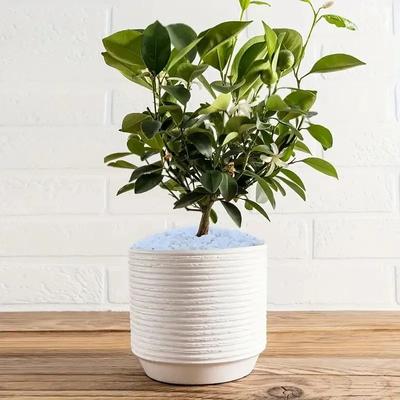
Yes, aquarium gravel can be used for indoor plants as a decorative top dressing for potted plants. It can help to retain moisture in the soil and prevent the growth of weeds. However, it is important to ensure that the gravel is thoroughly cleaned before using it with indoor plants to remove any potential contaminants or chemicals that may be harmful to the plants. Additionally, it is best to use a layer of gravel on top of the soil rather than mixing it into the soil to avoid potential drainage issues. **
What is the difference between regular gravel and recycled gravel?
Regular gravel is typically made from natural stone that has been crushed and screened to a specific size. Recycled gravel, on the other hand, is made from crushed concrete, asphalt, and other construction materials that have been processed and screened for use in new construction projects. Recycled gravel is considered more environmentally friendly as it reduces the need for mining natural resources and helps to divert construction waste from landfills. Additionally, recycled gravel may have a lower cost compared to regular gravel. **


Similar search terms for Gravel
Top-Angebote
Products related to Gravel:
-
Inspire Select Natural Polished Gravel Pebbles Decorative River Rocks For Plants, Aquariums & Garden Decor 17.6 OzAdd a natural, calming touch to your space with beautifully polished stones that enhance both style and function. Perfect for plant lovers and home decorators, these decorative gravel pebbles bring texture and elegance to any setting. Ideal as...113,99 $*Shipping: 0,00 $Secure redirect to the provider
-
Uplift Treasures Natural Crystal Pebbles Aquarium Gravel Decor Natural Crystal Pebbles Aquarium Gravel DecorProduct Description: Enhance your plants, aquariums, and home dcor with these polished natural crystal pebbles. Designed for both beauty and functionality, these smooth stones add a clean, elegant finish while helping create a natural and calming...81,97 $*Shipping: 0,00 $Secure redirect to the provider
-
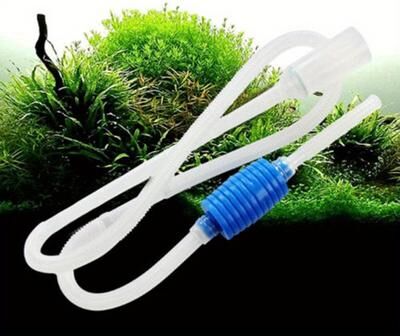
Perfect Picks Market Premium Aquarium Gravel Cleaner And Fish Tank Water Changer Tool For Easy Gravel Sand Cleaning Premium Aquarium Gravel Cleaner And Fish Tank Water Changer Tool For Easy Gravel Sand CleaningTransform your fish tank maintenance from a chore into a simple, satisfying routine with this aquarium gravel cleaner and fish tank water changer. Designed for passionate hobbyists and busy fish keepers alike, this tool makes cleaning gravel and...31,97 $*Shipping: 0,00 $Secure redirect to the provider


-
Which gravel bike groupset?
When choosing a gravel bike groupset, it's important to consider your riding style, budget, and preferences. Some popular groupsets for gravel bikes include Shimano GRX, SRAM Rival, and Campagnolo Ekar. Shimano GRX is known for its smooth shifting and reliability, SRAM Rival offers a wide range of gearing options, and Campagnolo Ekar is praised for its lightweight design and durability. Ultimately, the best gravel bike groupset for you will depend on your specific needs and riding preferences. **
-
Is aquarium gravel toxic?
Aquarium gravel itself is not inherently toxic, but it can become a breeding ground for harmful bacteria and waste if not properly maintained. It is important to regularly clean and maintain the gravel in your aquarium to prevent the buildup of toxins and ensure the health of your aquatic pets. Additionally, it is important to use aquarium-safe gravel that is specifically designed for use in fish tanks to avoid any potential toxicity issues. **
-
What are gravel deserts?
Gravel deserts are arid landscapes characterized by a predominance of gravel and pebbles with sparse vegetation. These deserts are often found in regions with low precipitation and high evaporation rates, leading to a lack of soil development and limited plant growth. The gravel and pebbles in these deserts can range in size and are often the result of erosion and weathering of nearby rock formations. Gravel deserts are inhospitable environments for most forms of life, and their harsh conditions make them challenging to inhabit or traverse. **
-
How can you place aquarium gravel on top of the old gravel?
To place aquarium gravel on top of old gravel, first, you should thoroughly clean the old gravel to remove any debris or waste. Then, carefully pour the new gravel on top of the old gravel, making sure to spread it evenly and create a smooth surface. It's important to avoid disturbing the old gravel too much to prevent clouding the water. Finally, use a gravel vacuum to gently clean the new gravel and remove any dust or debris before adding water back into the tank. **
How can one place aquarium gravel on top of the old gravel?
To place aquarium gravel on top of old gravel, start by cleaning the old gravel thoroughly to remove any debris or waste. Then, use a siphon or net to remove some of the old gravel to make room for the new gravel. Carefully pour the new gravel on top of the old gravel, making sure to distribute it evenly. You can also use a gravel vacuum to help mix the old and new gravel together. **
How can algae in the aquarium be combated on gravel and plants?
Algae in the aquarium can be combated on gravel and plants by implementing the following methods: 1. Regular water changes: Algae thrives on excess nutrients in the water, so performing regular water changes can help reduce the nutrient levels and inhibit algae growth. 2. Proper lighting: Ensure that the aquarium receives the right amount of light for the specific plants and fish in the tank. Avoid leaving the lights on for too long, as this can promote algae growth. 3. Algae-eating fish or invertebrates: Introducing algae-eating fish or invertebrates, such as otocinclus catfish, Siamese algae eaters, or nerite snails, can help keep algae under control. 4. Manual removal: Use a gravel vacuum to remove algae from the gravel during water changes. For plants, gently scrub off algae with a soft brush or cloth. 5. Balance nutrients: Make sure to provide the necessary nutrients for your plants to thrive, as healthy plants can outcompete algae for nutrients. 6. Use algae control products: There are algae control products available in the market that can help combat algae growth. However, it is important to use them according to the manufacturer's instructions to avoid harming your fish and plants. By implementing these methods, you can effectively combat algae on gravel and plants in your aquarium and maintain a healthy aquatic environment. **
Top-Angebote
Products related to Gravel:
-
Inspire Curations Natural Crystal Pebble Gravel Polished Aquarium Stones For Plants & Home Decor Natural Crystal Pebble Gravel Polished Aquarium Stones For Plants & Home DecorBring a touch of natures elegance into your space with these beautifully polished crystal pebbles. Designed for plant lovers, aquarium enthusiasts, and DIY decorators, these stones instantly elevate any setup with their smooth texture and natural...90,50 $*Shipping: 0,00 $Secure redirect to the provider
-
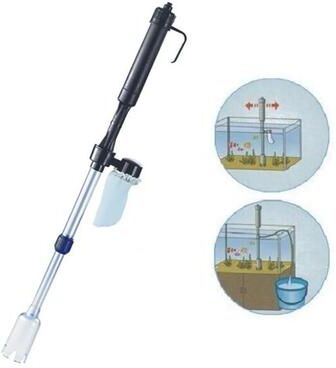
BlastClean Electric Aquarium Gravel Cleaner Electric Aquarium Gravel CleanerEffortless Cleaning: Say goodbye to tedious manual siphoning and scrubbing. This electric siphon pump does the hard work for you, making aquarium cleaning a breeze. Powerful Filtration: Equipped with an efficient water filter, this device not only...59,97 $*Shipping: 0,00 $Secure redirect to the provider
-
Inspire Select Natural Polished Gravel Pebbles Decorative River Rocks For Plants, Aquariums & Garden Decor 17.6 OzAdd a natural, calming touch to your space with beautifully polished stones that enhance both style and function. Perfect for plant lovers and home decorators, these decorative gravel pebbles bring texture and elegance to any setting. Ideal as...113,99 $*Shipping: 0,00 $Secure redirect to the provider
-
Uplift Treasures Natural Crystal Pebbles Aquarium Gravel Decor Natural Crystal Pebbles Aquarium Gravel DecorProduct Description: Enhance your plants, aquariums, and home dcor with these polished natural crystal pebbles. Designed for both beauty and functionality, these smooth stones add a clean, elegant finish while helping create a natural and calming...81,97 $*Shipping: 0,00 $Secure redirect to the provider
-
Can aquarium gravel also be used for indoor plants?
Yes, aquarium gravel can be used for indoor plants as a decorative top dressing for potted plants. It can help to retain moisture in the soil and prevent the growth of weeds. However, it is important to ensure that the gravel is thoroughly cleaned before using it with indoor plants to remove any potential contaminants or chemicals that may be harmful to the plants. Additionally, it is best to use a layer of gravel on top of the soil rather than mixing it into the soil to avoid potential drainage issues. **
-
What is the difference between regular gravel and recycled gravel?
Regular gravel is typically made from natural stone that has been crushed and screened to a specific size. Recycled gravel, on the other hand, is made from crushed concrete, asphalt, and other construction materials that have been processed and screened for use in new construction projects. Recycled gravel is considered more environmentally friendly as it reduces the need for mining natural resources and helps to divert construction waste from landfills. Additionally, recycled gravel may have a lower cost compared to regular gravel. **
-
Which gravel bike groupset?
When choosing a gravel bike groupset, it's important to consider your riding style, budget, and preferences. Some popular groupsets for gravel bikes include Shimano GRX, SRAM Rival, and Campagnolo Ekar. Shimano GRX is known for its smooth shifting and reliability, SRAM Rival offers a wide range of gearing options, and Campagnolo Ekar is praised for its lightweight design and durability. Ultimately, the best gravel bike groupset for you will depend on your specific needs and riding preferences. **
-
Is aquarium gravel toxic?
Aquarium gravel itself is not inherently toxic, but it can become a breeding ground for harmful bacteria and waste if not properly maintained. It is important to regularly clean and maintain the gravel in your aquarium to prevent the buildup of toxins and ensure the health of your aquatic pets. Additionally, it is important to use aquarium-safe gravel that is specifically designed for use in fish tanks to avoid any potential toxicity issues. **
Similar search terms for Gravel
-
Perfect Picks Market Premium Aquarium Gravel Cleaner And Fish Tank Water Changer Tool For Easy Gravel Sand Cleaning Premium Aquarium Gravel Cleaner And Fish Tank Water Changer Tool For Easy Gravel Sand CleaningTransform your fish tank maintenance from a chore into a simple, satisfying routine with this aquarium gravel cleaner and fish tank water changer. Designed for passionate hobbyists and busy fish keepers alike, this tool makes cleaning gravel and...31,97 $*Shipping: 0,00 $Secure redirect to the provider
-
Uplifted Finds Aquarium Electric Gravel Cleaner Water Changer Vacuum Pump Aquarium Electric Gravel Cleaner Water Changer Vacuum PumpKeep your fish tank clean and healthy with this aquarium electric gravel cleaner designed for easy water changes and debris removal. This all in one siphon vacuum helps remove waste from gravel while filtering water efficiently, reducing manual...106,97 $*Shipping: 0,00 $Secure redirect to the provider
-
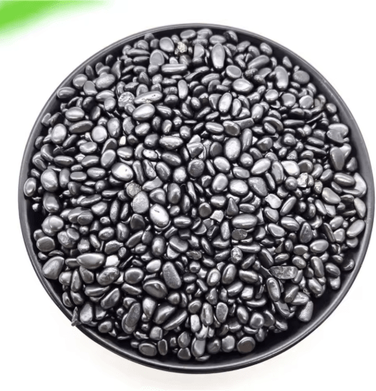
Inspire Picks Natural Shungite Crystal Gravel Healing Stones For Water Purification & Home Decor shungite Gravel 100 110g 1bagExperience the grounding power of shungite crystal stones, known for their unique properties and natural beauty. These polished gravel pieces are perfect for enhancing your space while supporting wellness and balance. Ideal for spiritual practices,...49,42 $*Shipping: 0,00 $Secure redirect to the provider
-
What are gravel deserts?
Gravel deserts are arid landscapes characterized by a predominance of gravel and pebbles with sparse vegetation. These deserts are often found in regions with low precipitation and high evaporation rates, leading to a lack of soil development and limited plant growth. The gravel and pebbles in these deserts can range in size and are often the result of erosion and weathering of nearby rock formations. Gravel deserts are inhospitable environments for most forms of life, and their harsh conditions make them challenging to inhabit or traverse. **
-
How can you place aquarium gravel on top of the old gravel?
To place aquarium gravel on top of old gravel, first, you should thoroughly clean the old gravel to remove any debris or waste. Then, carefully pour the new gravel on top of the old gravel, making sure to spread it evenly and create a smooth surface. It's important to avoid disturbing the old gravel too much to prevent clouding the water. Finally, use a gravel vacuum to gently clean the new gravel and remove any dust or debris before adding water back into the tank. **
-
How can one place aquarium gravel on top of the old gravel?
To place aquarium gravel on top of old gravel, start by cleaning the old gravel thoroughly to remove any debris or waste. Then, use a siphon or net to remove some of the old gravel to make room for the new gravel. Carefully pour the new gravel on top of the old gravel, making sure to distribute it evenly. You can also use a gravel vacuum to help mix the old and new gravel together. **
-
How can algae in the aquarium be combated on gravel and plants?
Algae in the aquarium can be combated on gravel and plants by implementing the following methods: 1. Regular water changes: Algae thrives on excess nutrients in the water, so performing regular water changes can help reduce the nutrient levels and inhibit algae growth. 2. Proper lighting: Ensure that the aquarium receives the right amount of light for the specific plants and fish in the tank. Avoid leaving the lights on for too long, as this can promote algae growth. 3. Algae-eating fish or invertebrates: Introducing algae-eating fish or invertebrates, such as otocinclus catfish, Siamese algae eaters, or nerite snails, can help keep algae under control. 4. Manual removal: Use a gravel vacuum to remove algae from the gravel during water changes. For plants, gently scrub off algae with a soft brush or cloth. 5. Balance nutrients: Make sure to provide the necessary nutrients for your plants to thrive, as healthy plants can outcompete algae for nutrients. 6. Use algae control products: There are algae control products available in the market that can help combat algae growth. However, it is important to use them according to the manufacturer's instructions to avoid harming your fish and plants. By implementing these methods, you can effectively combat algae on gravel and plants in your aquarium and maintain a healthy aquatic environment. **
* All prices are inclusive of VAT and, if applicable, plus shipping costs. The offer information is based on the details provided by the respective shop and is updated through automated processes. Real-time updates do not occur, so deviations can occur in individual cases. ** Note: Parts of this content were created by AI.