Buy gewächshäuser.eu ?
We are moving the project
gewächshäuser.eu .
Are you interested in purchasing the domain
gewächshäuser.eu ?
domain@kv-gmbh.de · 0541-91531010
Buy gewächshäuser.eu ?
Is glyphosate an organic compound?
No, glyphosate is not an organic compound. It is a synthetic compound that is classified as an organophosphorus compound. Glyphosate is a broad-spectrum herbicide that is widely used in agriculture to kill weeds. Organic compounds, on the other hand, are compounds that contain carbon-hydrogen bonds and are typically found in living organisms. **
How does glyphosate affect surfaces?
Glyphosate, the active ingredient in many herbicides, can affect surfaces in several ways. When applied to plants, glyphosate is absorbed and inhibits the production of essential amino acids, leading to the death of the plant. This can result in the surfaces becoming dry and brittle as the plants die off. Additionally, glyphosate can also bind to soil particles, potentially affecting the soil surface and its ability to support plant growth. Overall, glyphosate can have a significant impact on the surfaces it comes into contact with, leading to changes in plant and soil health. **


Similar search terms for Glyphosate
Top-Angebote
Products related to Glyphosate:
-
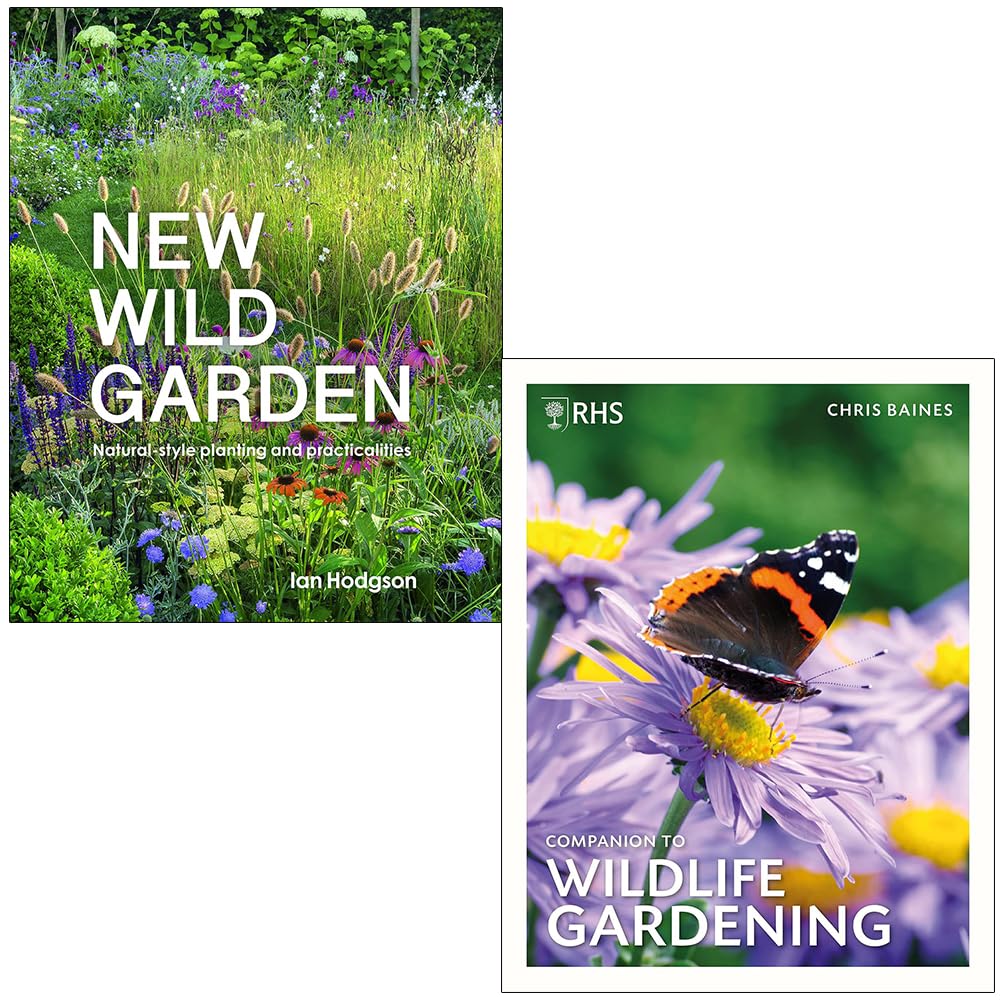
Frances Lincoln New Wild Garden & RHS Wildlife Gardening 2 Books Collection Set – Gardening Guide CollectionNew Wild Garden Natural-style planting and practicalities By Ian Hodgson & RHS Companion To Wildlife Gardening By Chris Baines 2 Books Collection Set: New Wild Garden: Natural-style planting and practicalities: The New Wild Garden combines new approaches to a more naturalistic design with the practical side of growing wildflowers and shows how to incorporate wildflowers, real meadows and a looser prarie-style planting into gardens and wild spaces.With serious concern into the decline of pollinators and habitats, meadows are currently the focus of enormous creativity. Gardeners, wildlife lovers, professional designers and seed manufacturers are all pushing the envelope of what can be grown, the pictorial effects that can be achieved, and the benefits that this provides for gardeners and wildlife. RHS Companion to Wildlife Gardening: This best-selling book was first published as How to Make a Wildlife Garden, and launched at the 1985 Chelsea Flower Show, making wildlife a mainstream issue for gardeners and the public. Now fully revised and updated by the author, this beautiful new freshly illustrated edition highlights the changes in garden wildlife over the past 35 years.Incorporating RHS research, updated best practice and addressing a multitude of controversial conservation issues, this stunning guide is also a celebration of the rich variety of wild plants and animals that can bring a beautiful garden to life.16,49 £*Shipping: 2,99 £Secure redirect to the provider
-
Should glyphosate be banned as far as possible?
The decision to ban glyphosate should be based on a thorough evaluation of its risks and benefits. While glyphosate is a widely used herbicide that helps control weeds and increase crop yields, there are concerns about its potential health and environmental impacts. If safer alternatives are available and feasible, then glyphosate should be phased out to minimize these risks. However, a complete ban may have negative consequences for farmers and food production, so a balanced approach considering all factors is necessary. **
-
How is a glyphosate-resistant soybean plant produced?
A glyphosate-resistant soybean plant is produced through a process called genetic engineering. Scientists identify and isolate the gene responsible for glyphosate resistance, often from a bacterium called Agrobacterium sp. strain CP4. This gene is then inserted into the soybean plant's genome using a technique called gene transfer. The resulting genetically modified soybean plant is able to produce an enzyme that degrades glyphosate, allowing it to survive exposure to the herbicide. This process allows farmers to effectively control weeds in their soybean fields without harming the crop. **
-
What is the concentration of glyphosate in water bodies?
The concentration of glyphosate in water bodies can vary depending on factors such as agricultural runoff, application rates, and proximity to areas where glyphosate is used. Studies have found that glyphosate can be detected in surface water, groundwater, and even drinking water sources. The concentration of glyphosate in water bodies is a concern because of its potential impact on aquatic ecosystems and human health. Regulatory agencies in different countries have set limits on the allowable concentration of glyphosate in water to protect the environment and public health. **
-
How can I create a research paper on glyphosate?
To create a research paper on glyphosate, start by conducting a thorough literature review to understand the current state of research on the topic. This will help you identify gaps in the existing knowledge and formulate a research question. Next, design a research methodology that will allow you to collect and analyze data related to glyphosate, such as its effects on human health, the environment, and its use in agriculture. Ensure that your research paper includes a clear introduction, literature review, methodology, results, discussion, and conclusion. Finally, make sure to cite all sources properly and adhere to the formatting guidelines provided by your instructor or the publication you are submitting to. **
Is it possible for Glyphosate to naturally leave the body?
Glyphosate is not naturally broken down or metabolized by the human body, so it does not easily leave the body on its own. Instead, it is primarily excreted through urine and feces. The elimination half-life of glyphosate in the body is relatively short, around 3-5 days, meaning that it can be cleared from the body within a few days after exposure. However, prolonged or repeated exposure to glyphosate can lead to its accumulation in the body. **
Is a natural elimination of glyphosate from the body possible?
Yes, the human body can naturally eliminate glyphosate through a process called metabolism. Glyphosate is broken down in the liver by enzymes and then excreted through urine or feces. However, in cases of high or chronic exposure, the body may not be able to eliminate glyphosate fast enough, leading to potential health risks. It is important to limit exposure to glyphosate by following safety guidelines and consuming organic foods whenever possible. **
Top-Angebote
Products related to Glyphosate:
-
BBC Books RHS How to Garden 3 Book Set – Perennial Plants, Grow Food for Free & Gardening Guide CollectionHow to Garden Perennial Garden Plants, RHS How To Garden (HB), Grow Food for Free (HB) 3 Books Collection Set Alan Titchmarsh How to Garden: Perennial Garden Plants Herbaceous perennials flower each year, dying down in the winter and springing back to life the following spring. They are central features in the landscape of a garden as they appear year-after-year and must be regarded as constant features. This book gives the expert view on the vast array of flowers available. Includes: creative garden ideas and border planting plans practical advice on care, maintenance and propagation illustrated A-Z profiles of recommended plants recommended plants for specific purposes, conditions and effects step-by-step illustrations showing essential techniques Alan Titchmarsh imparts a lifetime of expertise in these definitive guides for beginners and experienced gardeners. Step-by-step illustrations and easy-to-follow instructions guide you through the basic gardening skills and on to the advanced techniques, providing everything you need to create beautiful flower borders in your garden. RHS How To Garden When You're New To Gardening: The Basics For Absolute Beginners (Hardback) If the desire to start a garden has been planted in your heart, then this essential guide is a wonderful companion to accompany you on your new adventure! If you're not sure of the first steps to take, this handbook takes the anxiety out of plotting and planting and equips you with all the know-how and confidence you need to get digging into your garden. Creating a garden that you can enjoy and keep looking beautiful all year round is easier than you think!With the expertise of the Royal Horticultural Society, you'll find simple step-by-step instructions, with clear images to help you create your dream garden, no matter the size and scale. Get to know your garden and choose plants that will grow well in particular soil types and conditions year after year. From growing root crop to cutting back ivy, this book gives you lots of simple garden ideas and projects that you can do yourself. Even if you've never sowed a seed or pulled a weed, RHS How to Garden When You're New To Gardening contains everything you need to kickstart your new outdoor hobby! This refreshingly accessible book is perfect for the novice gardener who wants to make the most of whatever garden they have. Your Guide to Creating the Garden of Your Dreams Do you want to create a garden you can show off with pride? Would you like to grow your own food? This book will get you started quickly! By following the simple steps and projects outlined in this book, you will reap instant rewards and long-term successes so that you can enjoy your garden in all seasons. Inside the pages of this comprehensive gardening book, you'll discover: - Clear definitions and descriptions of the different types of plants. - Tips on choosing the type of garden you want. - Easy-to-follow instructions for choosing the right plants for your soil....14,99 £*Shipping: 2,99 £Secure redirect to the provider
-
Frances Lincoln New Wild Garden & RHS Wildlife Gardening 2 Books Collection Set – Gardening Guide CollectionNew Wild Garden Natural-style planting and practicalities By Ian Hodgson & RHS Companion To Wildlife Gardening By Chris Baines 2 Books Collection Set: New Wild Garden: Natural-style planting and practicalities: The New Wild Garden combines new approaches to a more naturalistic design with the practical side of growing wildflowers and shows how to incorporate wildflowers, real meadows and a looser prarie-style planting into gardens and wild spaces.With serious concern into the decline of pollinators and habitats, meadows are currently the focus of enormous creativity. Gardeners, wildlife lovers, professional designers and seed manufacturers are all pushing the envelope of what can be grown, the pictorial effects that can be achieved, and the benefits that this provides for gardeners and wildlife. RHS Companion to Wildlife Gardening: This best-selling book was first published as How to Make a Wildlife Garden, and launched at the 1985 Chelsea Flower Show, making wildlife a mainstream issue for gardeners and the public. Now fully revised and updated by the author, this beautiful new freshly illustrated edition highlights the changes in garden wildlife over the past 35 years.Incorporating RHS research, updated best practice and addressing a multitude of controversial conservation issues, this stunning guide is also a celebration of the rich variety of wild plants and animals that can bring a beautiful garden to life.16,49 £*Shipping: 2,99 £Secure redirect to the provider
-
Is glyphosate an organic compound?
No, glyphosate is not an organic compound. It is a synthetic compound that is classified as an organophosphorus compound. Glyphosate is a broad-spectrum herbicide that is widely used in agriculture to kill weeds. Organic compounds, on the other hand, are compounds that contain carbon-hydrogen bonds and are typically found in living organisms. **
-
How does glyphosate affect surfaces?
Glyphosate, the active ingredient in many herbicides, can affect surfaces in several ways. When applied to plants, glyphosate is absorbed and inhibits the production of essential amino acids, leading to the death of the plant. This can result in the surfaces becoming dry and brittle as the plants die off. Additionally, glyphosate can also bind to soil particles, potentially affecting the soil surface and its ability to support plant growth. Overall, glyphosate can have a significant impact on the surfaces it comes into contact with, leading to changes in plant and soil health. **
-
Should glyphosate be banned as far as possible?
The decision to ban glyphosate should be based on a thorough evaluation of its risks and benefits. While glyphosate is a widely used herbicide that helps control weeds and increase crop yields, there are concerns about its potential health and environmental impacts. If safer alternatives are available and feasible, then glyphosate should be phased out to minimize these risks. However, a complete ban may have negative consequences for farmers and food production, so a balanced approach considering all factors is necessary. **
-
How is a glyphosate-resistant soybean plant produced?
A glyphosate-resistant soybean plant is produced through a process called genetic engineering. Scientists identify and isolate the gene responsible for glyphosate resistance, often from a bacterium called Agrobacterium sp. strain CP4. This gene is then inserted into the soybean plant's genome using a technique called gene transfer. The resulting genetically modified soybean plant is able to produce an enzyme that degrades glyphosate, allowing it to survive exposure to the herbicide. This process allows farmers to effectively control weeds in their soybean fields without harming the crop. **
Similar search terms for Glyphosate
-
What is the concentration of glyphosate in water bodies?
The concentration of glyphosate in water bodies can vary depending on factors such as agricultural runoff, application rates, and proximity to areas where glyphosate is used. Studies have found that glyphosate can be detected in surface water, groundwater, and even drinking water sources. The concentration of glyphosate in water bodies is a concern because of its potential impact on aquatic ecosystems and human health. Regulatory agencies in different countries have set limits on the allowable concentration of glyphosate in water to protect the environment and public health. **
-
How can I create a research paper on glyphosate?
To create a research paper on glyphosate, start by conducting a thorough literature review to understand the current state of research on the topic. This will help you identify gaps in the existing knowledge and formulate a research question. Next, design a research methodology that will allow you to collect and analyze data related to glyphosate, such as its effects on human health, the environment, and its use in agriculture. Ensure that your research paper includes a clear introduction, literature review, methodology, results, discussion, and conclusion. Finally, make sure to cite all sources properly and adhere to the formatting guidelines provided by your instructor or the publication you are submitting to. **
-
Is it possible for Glyphosate to naturally leave the body?
Glyphosate is not naturally broken down or metabolized by the human body, so it does not easily leave the body on its own. Instead, it is primarily excreted through urine and feces. The elimination half-life of glyphosate in the body is relatively short, around 3-5 days, meaning that it can be cleared from the body within a few days after exposure. However, prolonged or repeated exposure to glyphosate can lead to its accumulation in the body. **
-
Is a natural elimination of glyphosate from the body possible?
Yes, the human body can naturally eliminate glyphosate through a process called metabolism. Glyphosate is broken down in the liver by enzymes and then excreted through urine or feces. However, in cases of high or chronic exposure, the body may not be able to eliminate glyphosate fast enough, leading to potential health risks. It is important to limit exposure to glyphosate by following safety guidelines and consuming organic foods whenever possible. **
* All prices are inclusive of VAT and, if applicable, plus shipping costs. The offer information is based on the details provided by the respective shop and is updated through automated processes. Real-time updates do not occur, so deviations can occur in individual cases. ** Note: Parts of this content were created by AI.