Buy gewächshäuser.eu ?
We are moving the project
gewächshäuser.eu .
Are you interested in purchasing the domain
gewächshäuser.eu ?
domain@kv-gmbh.de · 0541-91531010
Buy gewächshäuser.eu ?
Can we plant plants?
Yes, we can plant plants. Planting plants is a common activity for gardening, landscaping, and agriculture. It involves placing seeds, seedlings, or mature plants into the soil to allow them to grow and thrive. Planting plants is essential for creating green spaces, producing food, and improving the environment. **
Would we survive without plants?
No, we would not survive without plants. Plants are essential for human survival as they provide us with oxygen, food, and medicine. They also play a crucial role in the ecosystem by providing habitat and food for other organisms. Without plants, the entire food chain would collapse, leading to the extinction of many species, including humans. Therefore, it is safe to say that our survival is deeply interconnected with the existence of plants. **


Similar search terms for We
Top-Angebote
Products related to We:
-
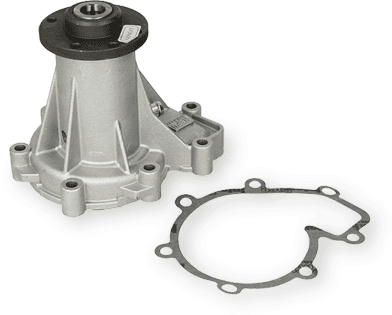
AISIN WE-VW40 Water pumpPulleys: with V-ribbed belt pulley; Tensioner Pulley Actuation: mechanical; Operating Mode: Electric, electronically controlled; TecDoc Engine Number: 24449, 25702, 27527, 20792, 24834, 26574, 26695, 20734, 22452; for model code: A1; Vehicle type: Jetta, Bjalla, Touran; Construction Year to: 06/2008, 07/2016, 11/2008, 09/2015; Vehicle Identification Number (VIN) to: 1K9091375; Construction Year from: 04/2009; Vehicle Identification Number (VIN) from: 1K9147496; Engine Code: CKMA; for PR number: 0Y1, 0Y3, 0Y7260,99 £*Shipping: 1,99 £Secure redirect to the provider
-
AISIN WE-MB29 Water pumpConstruction Year to: 05/2011, 07/2013, 01/2014; Engine Number to: 41160627; Country Specific Design: USA; not for country specific design: USA, Canada; Vehicle type: 212027, 212227; Construction Year from: 03/2010; not for special equipment code: 460/49451,49 £*Shipping: 8,45 £Secure redirect to the provider



-
When should we repot the plants?
Plants should be repotted when they have outgrown their current container, typically every 1-2 years. Signs that a plant needs repotting include roots growing out of the drainage holes, the plant becoming root-bound, or the soil drying out quickly. Spring is generally the best time to repot plants, as they are entering their active growing season and will have a better chance of recovering from the stress of being repotted. **
-
Should we restart nuclear power plants?
The decision to restart nuclear power plants should be carefully considered based on a variety of factors. While nuclear power is a low-carbon energy source, it also comes with significant safety and environmental risks. Before restarting any nuclear power plants, thorough safety inspections and upgrades should be conducted to ensure that they meet the highest safety standards. Additionally, the long-term management of nuclear waste and the potential for accidents or natural disasters must be taken into account. Ultimately, the decision to restart nuclear power plants should be made with a comprehensive understanding of the potential benefits and risks. **
-
Do we no longer need desalination plants?
Desalination plants are still necessary in many regions where access to fresh water is limited. While advancements in water conservation and management have helped alleviate some water scarcity issues, desalination plants remain crucial for providing clean drinking water in arid and coastal areas. Additionally, as climate change continues to impact water resources, the need for desalination plants may even increase in the future. Therefore, desalination plants continue to play a vital role in addressing water scarcity challenges. **
-
Should we build new nuclear power plants?
The decision to build new nuclear power plants is a complex one that requires careful consideration of various factors. On one hand, nuclear power is a low-carbon energy source that can help reduce greenhouse gas emissions and combat climate change. However, there are also concerns about the safety and security of nuclear power plants, as well as the long-term management of radioactive waste. Additionally, the high costs and long construction times associated with nuclear power plants make them less economically viable compared to renewable energy sources. Ultimately, the decision to build new nuclear power plants should be based on a thorough assessment of the potential benefits and risks, as well as consideration of alternative energy options. **


Should we use our nuclear power plants again?
The decision to use nuclear power plants again should be carefully considered, taking into account the potential benefits and risks. Nuclear power can provide a reliable source of energy with low greenhouse gas emissions, which is important for addressing climate change. However, the risks associated with nuclear accidents and the long-term storage of radioactive waste must also be carefully managed. It is important to weigh these factors and consider the potential for advancements in nuclear technology and safety measures before making a decision on whether to use nuclear power plants again. **
Why are we shutting down nuclear power plants?
Nuclear power plants are being shut down for a variety of reasons. One of the main reasons is the high costs associated with building and maintaining these facilities. Additionally, concerns about nuclear accidents and the long-term storage of radioactive waste have also contributed to the decision to shut down nuclear power plants. Some countries are also shifting towards renewable energy sources as a more sustainable and environmentally friendly alternative to nuclear power. **
Top-Angebote
Products related to We:
-
HARPERCOLLINS Lifespan: Why We Age and Why We Dont Have ToLifespan - Why We Age and Why We Dont Have To Description In this paradigm-shifting book from acclaimed Harvard Medical School doctor and one of TIME magazine's 100 most influential people on earth; Dr. David Sinclair reveals that everything we think we know about ageing is wrong; and shares the surprising; scientifically-proven methods that can help readers live younger; longer. For decades; the medical community has looked to a variety of reasons for why we age; and the consensus is that no one dies of old age; they die of age-related diseases. That's because ageing is not a disease - it is inevitable. But what if everything you think you know about ageing is wrong?What if ageing is a disease? And that disease is curable. In LIFESPAN; Dr. David Sinclair; one of the world's foremost authorities on genetics and ageing; argues just that. He has dedicated his life's work to chasing more than a longer lifespan - he wants to enable people to live longer; healthier; and disease-free well into our hundreds. In this book; he reveals a bold new theory of ageing; one that pinpoints a root cause of ageing that lies in an ancient genetic survival circuit. This genetic trick - a circuit designed to halt reproduction in order to repair damage to the genome -has enabled earth's early microcosms to survive and evolve into more advanced organisms. But this same survival circuit is the reason we age: as genetic damage accumulates over our lifespans from UV rays; environmental toxins; and unhealthy diets; our genome is overwhelmed; causing gray hair; wrinkles; achy joints; heart issues; dementia; and; ultimately; death. But genes aren't our destiny; we have more control over them than we've been taught to believe. We can't change our DNA; but we can harness the power of the epigenome to realise the true potential of our genes. Drawing on his cutting-edge findings at the forefront of medical research; Dr. Sinclair will provide a scientifically-proven roadmap to reverse the genetic clock by activating our vitality genes; so we can live younger longer. Readers will discover how a few simple lifestyle changes - like intermittent fasting; avoiding too much animal protein; limiting sugar; avoiding x-rays; exercising with the right intensity; and even trying cold therapy - can activate our vitality genes. Dr. Sinclair ends the book with a look to the near future; exploring what the world might look like - and what will need to change - when we are all living well to 120 or more. Dr. Sinclair takes what we have long accepted as the limits of human potential and mortality and turns them into choices. THE EVOLUTION OF AGEING is destined to be the biggest book on genes; biology; and longevity of this decade.7,95 £*Shipping: 2,99 £Secure redirect to the provider
-
AISIN WE-RE07 Water pumpSupplementary Article / Supplementary Info: without gasket/seal; Operating Mode: mechanical; Construction Year from: 09/1991, 12/1995, 11/1991; Construction Year to: 08/1997, 02/1998, 08/1993; Vehicle type: Express, Rapid27,99 £*Shipping: 8,45 £Secure redirect to the provider
-
AISIN WE-VW40 Water pumpPulleys: with V-ribbed belt pulley; Tensioner Pulley Actuation: mechanical; Operating Mode: Electric, electronically controlled; TecDoc Engine Number: 24449, 25702, 27527, 20792, 24834, 26574, 26695, 20734, 22452; for model code: A1; Vehicle type: Jetta, Bjalla, Touran; Construction Year to: 06/2008, 07/2016, 11/2008, 09/2015; Vehicle Identification Number (VIN) to: 1K9091375; Construction Year from: 04/2009; Vehicle Identification Number (VIN) from: 1K9147496; Engine Code: CKMA; for PR number: 0Y1, 0Y3, 0Y7260,99 £*Shipping: 1,99 £Secure redirect to the provider
-
Can we plant plants?
Yes, we can plant plants. Planting plants is a common activity for gardening, landscaping, and agriculture. It involves placing seeds, seedlings, or mature plants into the soil to allow them to grow and thrive. Planting plants is essential for creating green spaces, producing food, and improving the environment. **
-
Would we survive without plants?
No, we would not survive without plants. Plants are essential for human survival as they provide us with oxygen, food, and medicine. They also play a crucial role in the ecosystem by providing habitat and food for other organisms. Without plants, the entire food chain would collapse, leading to the extinction of many species, including humans. Therefore, it is safe to say that our survival is deeply interconnected with the existence of plants. **
-
When should we repot the plants?
Plants should be repotted when they have outgrown their current container, typically every 1-2 years. Signs that a plant needs repotting include roots growing out of the drainage holes, the plant becoming root-bound, or the soil drying out quickly. Spring is generally the best time to repot plants, as they are entering their active growing season and will have a better chance of recovering from the stress of being repotted. **
-
Should we restart nuclear power plants?
The decision to restart nuclear power plants should be carefully considered based on a variety of factors. While nuclear power is a low-carbon energy source, it also comes with significant safety and environmental risks. Before restarting any nuclear power plants, thorough safety inspections and upgrades should be conducted to ensure that they meet the highest safety standards. Additionally, the long-term management of nuclear waste and the potential for accidents or natural disasters must be taken into account. Ultimately, the decision to restart nuclear power plants should be made with a comprehensive understanding of the potential benefits and risks. **
Similar search terms for We
-
AISIN WE-MB29 Water pumpConstruction Year to: 05/2011, 07/2013, 01/2014; Engine Number to: 41160627; Country Specific Design: USA; not for country specific design: USA, Canada; Vehicle type: 212027, 212227; Construction Year from: 03/2010; not for special equipment code: 460/49451,49 £*Shipping: 8,45 £Secure redirect to the provider
-
Do we no longer need desalination plants?
Desalination plants are still necessary in many regions where access to fresh water is limited. While advancements in water conservation and management have helped alleviate some water scarcity issues, desalination plants remain crucial for providing clean drinking water in arid and coastal areas. Additionally, as climate change continues to impact water resources, the need for desalination plants may even increase in the future. Therefore, desalination plants continue to play a vital role in addressing water scarcity challenges. **
-
Should we build new nuclear power plants?
The decision to build new nuclear power plants is a complex one that requires careful consideration of various factors. On one hand, nuclear power is a low-carbon energy source that can help reduce greenhouse gas emissions and combat climate change. However, there are also concerns about the safety and security of nuclear power plants, as well as the long-term management of radioactive waste. Additionally, the high costs and long construction times associated with nuclear power plants make them less economically viable compared to renewable energy sources. Ultimately, the decision to build new nuclear power plants should be based on a thorough assessment of the potential benefits and risks, as well as consideration of alternative energy options. **
-
Should we use our nuclear power plants again?
The decision to use nuclear power plants again should be carefully considered, taking into account the potential benefits and risks. Nuclear power can provide a reliable source of energy with low greenhouse gas emissions, which is important for addressing climate change. However, the risks associated with nuclear accidents and the long-term storage of radioactive waste must also be carefully managed. It is important to weigh these factors and consider the potential for advancements in nuclear technology and safety measures before making a decision on whether to use nuclear power plants again. **
-
Why are we shutting down nuclear power plants?
Nuclear power plants are being shut down for a variety of reasons. One of the main reasons is the high costs associated with building and maintaining these facilities. Additionally, concerns about nuclear accidents and the long-term storage of radioactive waste have also contributed to the decision to shut down nuclear power plants. Some countries are also shifting towards renewable energy sources as a more sustainable and environmentally friendly alternative to nuclear power. **
* All prices are inclusive of VAT and, if applicable, plus shipping costs. The offer information is based on the details provided by the respective shop and is updated through automated processes. Real-time updates do not occur, so deviations can occur in individual cases. ** Note: Parts of this content were created by AI.