Buy gewächshäuser.eu ?
We are moving the project
gewächshäuser.eu .
Are you interested in purchasing the domain
gewächshäuser.eu ?
domain@kv-gmbh.de · 0541-91531010
Buy gewächshäuser.eu ?
Do coal power plants look like nuclear power plants?
No, coal power plants do not look like nuclear power plants. Coal power plants typically have large smokestacks and may be located near coal mines or transportation infrastructure for coal. Nuclear power plants, on the other hand, have distinctive cooling towers and are often located near bodies of water for cooling purposes. Additionally, nuclear power plants have more stringent security measures and containment structures due to the nature of the radioactive materials they use. **
What is more environmentally friendly: coal power plants or nuclear power plants?
Nuclear power plants are generally considered more environmentally friendly than coal power plants. While both types of plants produce electricity with low greenhouse gas emissions, coal power plants release higher levels of carbon dioxide, sulfur dioxide, and nitrogen oxides, contributing to air pollution and climate change. On the other hand, nuclear power plants produce no greenhouse gas emissions during operation and have a smaller environmental footprint in terms of land use and waste generation. However, nuclear power plants do pose risks related to radioactive waste disposal and the potential for accidents, which must be carefully managed. **


Similar search terms for Power
Top-Angebote
Products related to Power:
-
Comfort Stretch Power Swivel Glider Nursery Recliner with 2 Pillows for Living Room Bedroom270° Quiet Smooth Swivel - Effortless 270‑degree silent swivel lets you turn smoothly to join conversations or shift viewpoints. Enjoy great flexibility for nursery, living room and bedroom use without noisy disruptions.507,99 $*Shipping: 0,00 $Secure redirect to the provider




-
What is the plan for shutting down coal power plants, nuclear power plants, and gas plants?
The plan for shutting down coal power plants, nuclear power plants, and gas plants varies by country and region. In general, the goal is to transition to cleaner and more sustainable energy sources such as wind, solar, and hydroelectric power. This may involve phasing out older, less efficient plants and replacing them with renewable energy infrastructure. Additionally, some regions are implementing policies to incentivize the closure of coal and gas plants, while others are investing in advanced nuclear technologies as part of their transition to a low-carbon energy system. Overall, the plan is to gradually reduce reliance on fossil fuels and nuclear power in favor of cleaner and more sustainable energy sources. **
-
What are fusion power plants?
Fusion power plants are a type of power plant that generate electricity by harnessing the energy produced from nuclear fusion reactions. Nuclear fusion is the process of combining two light atomic nuclei to form a heavier nucleus, releasing a large amount of energy in the process. Fusion power plants aim to replicate the same process that powers the sun and stars, using isotopes of hydrogen such as deuterium and tritium as fuel. If successfully developed, fusion power plants could provide a nearly limitless and clean source of energy with minimal environmental impact. However, the technology is still in the experimental stage and has not yet been commercially viable. **
-
What is the plan for shutting down coal-fired power plants, nuclear power plants, and gas plants?
The plan for shutting down coal-fired power plants involves transitioning to cleaner energy sources such as renewable energy like solar and wind power. Nuclear power plants are being phased out gradually as their licenses expire, with a focus on increasing energy efficiency and expanding renewable energy capacity. Gas plants are also being phased out in favor of cleaner alternatives, with a shift towards renewable energy sources and energy storage technologies. Overall, the goal is to reduce greenhouse gas emissions and transition to a more sustainable and environmentally friendly energy system. **
-
Why are nuclear power plants being shut down, but not coal-fired power plants?
Nuclear power plants are being shut down for a variety of reasons, including high operating costs, safety concerns, and public opposition to nuclear energy. Additionally, many nuclear power plants are reaching the end of their operational lifespan and require expensive upgrades to continue operating. On the other hand, coal-fired power plants are still in operation because they are cheaper to run and there is a lack of widespread public and political will to transition away from coal despite its negative environmental impacts. **

How can tidal power plants and wave power plants be used to cover peak loads?
Tidal power plants and wave power plants can be used to cover peak loads by generating electricity during times of high demand. These renewable energy sources can provide a consistent and reliable source of power, which can be particularly useful during peak load periods when traditional power plants may struggle to meet the increased demand. By harnessing the power of the tides and waves, these plants can help stabilize the grid and reduce the need for fossil fuel-based power generation during peak times. Additionally, advancements in technology and grid integration can help optimize the output of tidal and wave power plants to match peak load requirements. **
How do nuclear power plants and atomic power plants work in relation to fuel elements?
Nuclear power plants and atomic power plants both use fuel elements, typically made of enriched uranium, to generate heat through a process called nuclear fission. In nuclear fission, the uranium atoms are split, releasing a large amount of energy in the form of heat. This heat is used to produce steam, which then drives turbines to generate electricity. The fuel elements are carefully arranged in the reactor core to sustain a controlled chain reaction, and they need to be periodically replaced as they are used up and become less efficient at producing heat. Overall, the fuel elements are crucial to the functioning of nuclear and atomic power plants, as they are the source of the energy that is converted into electricity. **
Top-Angebote
Products related to Power:
-
Spruce & Spring Freya Power Swivel Glider Recliner Nursery ChairThe Freya Power Swivel Glider Recliner is designed for both style and comfort. With a 270° swivel, smooth recline from 90-135°, and a solid wood base, this swivel recliner chair fits perfectly in any modern nursery or living room.428,00 $*Shipping: 0,00 $Secure redirect to the provider
-
Do coal power plants look like nuclear power plants?
No, coal power plants do not look like nuclear power plants. Coal power plants typically have large smokestacks and may be located near coal mines or transportation infrastructure for coal. Nuclear power plants, on the other hand, have distinctive cooling towers and are often located near bodies of water for cooling purposes. Additionally, nuclear power plants have more stringent security measures and containment structures due to the nature of the radioactive materials they use. **
-
What is more environmentally friendly: coal power plants or nuclear power plants?
Nuclear power plants are generally considered more environmentally friendly than coal power plants. While both types of plants produce electricity with low greenhouse gas emissions, coal power plants release higher levels of carbon dioxide, sulfur dioxide, and nitrogen oxides, contributing to air pollution and climate change. On the other hand, nuclear power plants produce no greenhouse gas emissions during operation and have a smaller environmental footprint in terms of land use and waste generation. However, nuclear power plants do pose risks related to radioactive waste disposal and the potential for accidents, which must be carefully managed. **
-
What is the plan for shutting down coal power plants, nuclear power plants, and gas plants?
The plan for shutting down coal power plants, nuclear power plants, and gas plants varies by country and region. In general, the goal is to transition to cleaner and more sustainable energy sources such as wind, solar, and hydroelectric power. This may involve phasing out older, less efficient plants and replacing them with renewable energy infrastructure. Additionally, some regions are implementing policies to incentivize the closure of coal and gas plants, while others are investing in advanced nuclear technologies as part of their transition to a low-carbon energy system. Overall, the plan is to gradually reduce reliance on fossil fuels and nuclear power in favor of cleaner and more sustainable energy sources. **
-
What are fusion power plants?
Fusion power plants are a type of power plant that generate electricity by harnessing the energy produced from nuclear fusion reactions. Nuclear fusion is the process of combining two light atomic nuclei to form a heavier nucleus, releasing a large amount of energy in the process. Fusion power plants aim to replicate the same process that powers the sun and stars, using isotopes of hydrogen such as deuterium and tritium as fuel. If successfully developed, fusion power plants could provide a nearly limitless and clean source of energy with minimal environmental impact. However, the technology is still in the experimental stage and has not yet been commercially viable. **
Similar search terms for Power
-
Comfort Stretch Power Swivel Glider Nursery Recliner with 2 Pillows for Living Room Bedroom270° Quiet Smooth Swivel - Effortless 270‑degree silent swivel lets you turn smoothly to join conversations or shift viewpoints. Enjoy great flexibility for nursery, living room and bedroom use without noisy disruptions.507,99 $*Shipping: 0,00 $Secure redirect to the provider
-
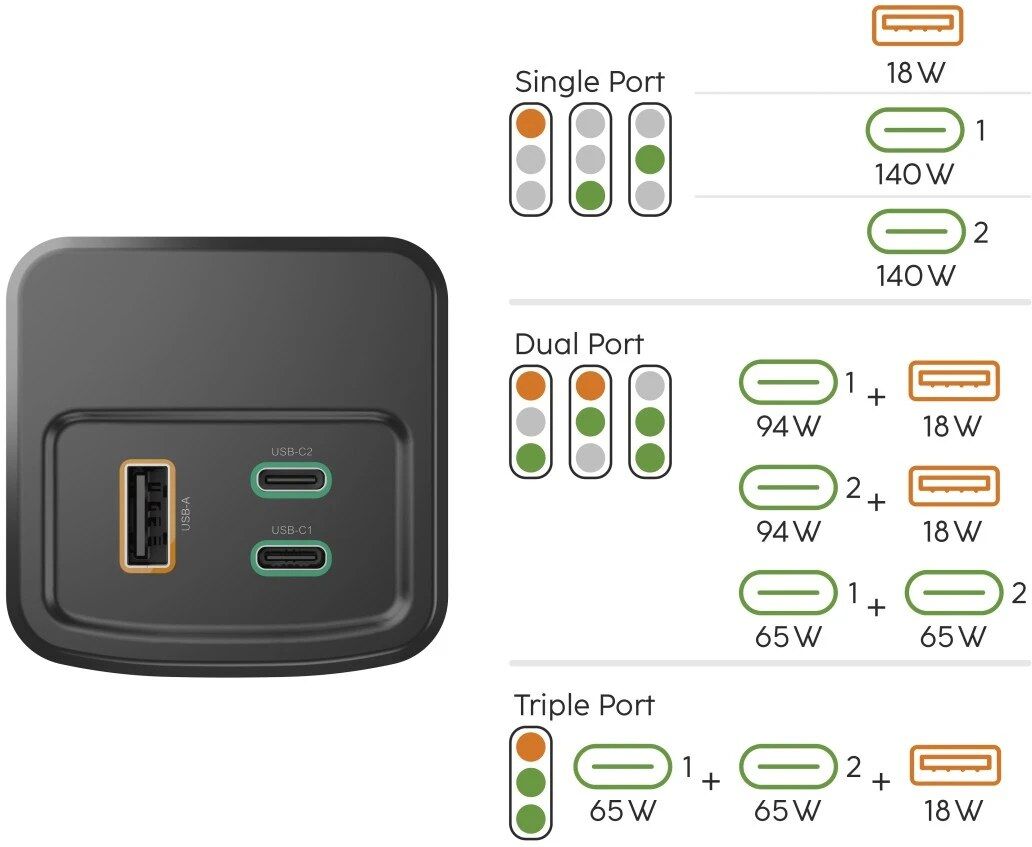
Hama High Power Power Pack, 20000 mAh, 65 W - GreyBattery flat and no power socket available? The "High Power" power pack refuels laptops, tablets, smartphones, smartwatches and Bluetooth loudspeakers anywhere and at any time with new 65-Watt power. "High Power" - the grand slam among power packs.High-speed powerPower in best time: a full 65 Watts of maximum output power quickly revs up even powerful devices such as laptops, gaming notebooks and high-performance smartphonesPower Pack - Energy to goPowerbank provides a power boost on the go; the mobile charger can charge three devices simultaneously via two USB-C sockets and one USB-A socketExtremely fast chargingFast charging technologies Power Delivery and Qualcomm® Quick Charge™ 3.0 guarantee extra-quick charging, faster than with conventional chargersBattery-sparing chargingOptimised charging protects the battery and therefore prolongs the lifespan of mobile phones, tablets, etc.Safe chargingCertified cells for maximum quality and safe charging: overcharge, overvoltage, overheating and short circuit protectionPowerbank with displayDetailed data at a glance: the high-quality TFT colour display of the Fast Charge powerbank shows the percentage of energy left in the mobile charger and the output power of the individual sockets and the total power in WattsUniversal useMaximum compatibility for all mobile phones, tablets and other devices, e.g. smart watch, digital camera or Bluetooth headphonesLow power modeFor the little ones: the power pack also recognises less power-hungry devices and supplies them with new energy by switching to low power modeHigh performance, compact formatLots inside, very little fuss: the mobile charger fits in any pocket and hand luggagePlastic-freePackaging with a clear conscience: our packaging is 100% plastic-free, enabling us to reduce plastic waste and increase its recyclabilityFSCFSC-certified: the paper and cardboard used in our packaging comes from sustainable forest management - enabling us to take a resources-sparing approach to the raw material of wood57,99 £*Shipping: 0,00 £Secure redirect to the provider
-
Hama High Power Power Pack, 24000 mAh, 150 W - GreyBattery flat and no power socket available? The "High Power" power pack refuels laptops, tablets, smartphones, smart watches and Bluetooth loudspeakers with a new 150 Watts of power anywhere and at any time. "High Power" - the grand slam among power packs.High-speed powerPower in best time: A whopping 150 Watts of maximum output power quickly revs up even powerful devices such as laptops, gaming notebooks and high-performance smartphonesPower Pack - Energy to goPowerbank provides a power boost on the go; the mobile charger can charge three devices simultaneously via two USB-C sockets and one USB-A socketExtremely fast chargingFast charging technologies Power Delivery and Qualcomm® Quick Charge™ 3.0 guarantee extra-quick charging, faster than with conventional chargersBattery-sparing chargingOptimised charging protects the battery and therefore prolongs the lifespan of mobile phones, tablets, etc.Safe chargingCertified cells for maximum quality and safe charging: overcharge, overvoltage, overheating and short circuit protectionPowerbank with displayDetailed data at a glance: the high-quality TFT colour display of the Fast Charge powerbank shows the percentage of energy left in the mobile charger and the output power of the individual sockets and the total power in WattsUniversal useMaximum compatibility for all mobile phones, tablets and other devices, e.g. smart watch, digital camera or Bluetooth headphonesLow power modeFor the little ones: the power pack also recognises less power-hungry devices and supplies them with new energy by switching to low power modeHigh performance, compact formatLots inside, very little fuss: the mobile charger fits in any pocket and hand luggagePlastic-freePackaging with a clear conscience: our packaging is 100% plastic-free, enabling us to reduce plastic waste and increase its recyclabilityFSCFSC-certified: the paper and cardboard used in our packaging comes from sustainable forest management - enabling us to take a resources-sparing approach to the raw material of wood73,49 £*Shipping: 0,00 £Secure redirect to the provider
-
What is the plan for shutting down coal-fired power plants, nuclear power plants, and gas plants?
The plan for shutting down coal-fired power plants involves transitioning to cleaner energy sources such as renewable energy like solar and wind power. Nuclear power plants are being phased out gradually as their licenses expire, with a focus on increasing energy efficiency and expanding renewable energy capacity. Gas plants are also being phased out in favor of cleaner alternatives, with a shift towards renewable energy sources and energy storage technologies. Overall, the goal is to reduce greenhouse gas emissions and transition to a more sustainable and environmentally friendly energy system. **
-
Why are nuclear power plants being shut down, but not coal-fired power plants?
Nuclear power plants are being shut down for a variety of reasons, including high operating costs, safety concerns, and public opposition to nuclear energy. Additionally, many nuclear power plants are reaching the end of their operational lifespan and require expensive upgrades to continue operating. On the other hand, coal-fired power plants are still in operation because they are cheaper to run and there is a lack of widespread public and political will to transition away from coal despite its negative environmental impacts. **
-
How can tidal power plants and wave power plants be used to cover peak loads?
Tidal power plants and wave power plants can be used to cover peak loads by generating electricity during times of high demand. These renewable energy sources can provide a consistent and reliable source of power, which can be particularly useful during peak load periods when traditional power plants may struggle to meet the increased demand. By harnessing the power of the tides and waves, these plants can help stabilize the grid and reduce the need for fossil fuel-based power generation during peak times. Additionally, advancements in technology and grid integration can help optimize the output of tidal and wave power plants to match peak load requirements. **
-
How do nuclear power plants and atomic power plants work in relation to fuel elements?
Nuclear power plants and atomic power plants both use fuel elements, typically made of enriched uranium, to generate heat through a process called nuclear fission. In nuclear fission, the uranium atoms are split, releasing a large amount of energy in the form of heat. This heat is used to produce steam, which then drives turbines to generate electricity. The fuel elements are carefully arranged in the reactor core to sustain a controlled chain reaction, and they need to be periodically replaced as they are used up and become less efficient at producing heat. Overall, the fuel elements are crucial to the functioning of nuclear and atomic power plants, as they are the source of the energy that is converted into electricity. **
* All prices are inclusive of VAT and, if applicable, plus shipping costs. The offer information is based on the details provided by the respective shop and is updated through automated processes. Real-time updates do not occur, so deviations can occur in individual cases. ** Note: Parts of this content were created by AI.