Buy gewächshäuser.eu ?
We are moving the project
gewächshäuser.eu .
Are you interested in purchasing the domain
gewächshäuser.eu ?
domain@kv-gmbh.de · 0541-91531010
Buy gewächshäuser.eu ?
Types of aquatic plants
Aquatic plants can be categorized into several types based on their growth habits and habitat. Some common types of aquatic plants include floating plants, such as water lilies and duckweed, which float on the surface of the water. Submerged plants, like eelgrass and pondweed, grow entirely underwater and are rooted in the sediment. Emergent plants, such as cattails and bulrushes, have their roots underwater but their stems and leaves extend above the water's surface. These different types of aquatic plants play important roles in maintaining the health and balance of aquatic ecosystems. **
What causes panic fear of aquatic plants?
The panic fear of aquatic plants, known as thalassophobia, can be caused by a variety of factors. Some people may have had a traumatic experience involving water or aquatic plants in the past, leading to a fear response. Additionally, the unknown depths and potential dangers associated with bodies of water can trigger feelings of anxiety and fear. Media portrayals of water-related accidents or horror stories may also contribute to the development of thalassophobia in some individuals. **

Similar search terms for Aquatic-entomology
Top-Angebote
Products related to Aquatic-entomology:
-
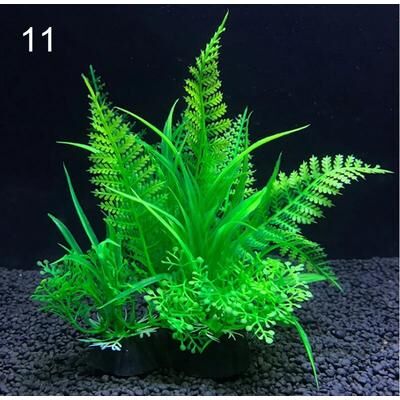
Happy Pet Pantry Aquarium Decor: Artificial Aquatic Plants & Ornaments 3Various and types of artificial aquarium decorative plants aquatic plants aquarium decorative accessories ornaments Simulation Artificial Aquarium Decor Plants Water Weeds Ornament Aquatic Plant Fish Tank Grass Decoration Accessories 14cmBrand new...24,97 $*Shipping: 0,00 $Secure redirect to the provider
-
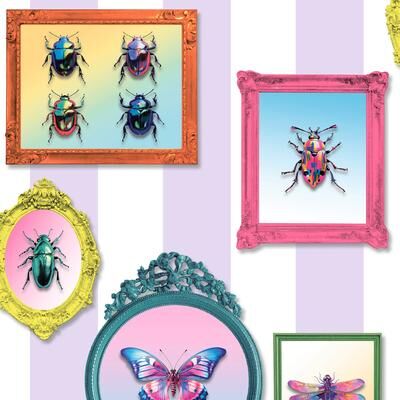
Veer Decor Entomology Gallery WallpaperAdd a playful twist to your walls with our Entomology Gallery Wallpaper. This vibrant design showcases a curated collection of colorful insects, from dazzling beetles to delicate butterflies and dragonflies, each framed in ornate borders.169,99 $*Shipping: 0,00 $Secure redirect to the provider
-
Veer Decor Entomology Gallery WallpaperAdd a playful twist to your walls with our Entomology Gallery Wallpaper. This vibrant design showcases a curated collection of colorful insects, from dazzling beetles to delicate butterflies and dragonflies, each framed in ornate borders.169,99 $*Shipping: 0,00 $Secure redirect to the provider
-
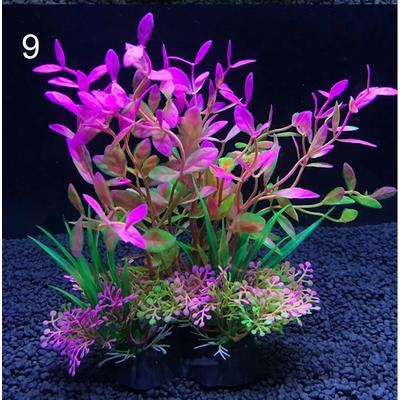
Happy Pet Pantry Aquarium Decor: Artificial Aquatic Plants & Ornaments 6Various and types of artificial aquarium decorative plants aquatic plants aquarium decorative accessories ornaments Simulation Artificial Aquarium Decor Plants Water Weeds Ornament Aquatic Plant Fish Tank Grass Decoration Accessories 14cmBrand new...24,97 $*Shipping: 0,00 $Secure redirect to the provider

-
Why are my aquatic plants turning pale?
Aquatic plants may turn pale due to a lack of nutrients, particularly iron and nitrogen, in the water. Insufficient light exposure can also cause plants to lose their vibrant color. Additionally, poor water quality, such as high levels of algae or pollutants, can stress the plants and lead to paleness. It is important to regularly test the water parameters, provide appropriate lighting, and consider adding a fertilizer to address nutrient deficiencies. **
-
What is the name of these aquatic plants?
The name of these aquatic plants is water lilies. They are known for their beautiful and colorful flowers that float on the surface of the water. Water lilies are commonly found in ponds, lakes, and slow-moving streams. They provide shade and shelter for fish and other aquatic creatures. **
-
Which aquatic plants are suitable for turtle tanks?
Aquatic plants that are suitable for turtle tanks include Anubias, Java Fern, Water Sprite, and Duckweed. These plants are hardy and can withstand the occasional nibbling from turtles. They also provide hiding spots and resting places for turtles, as well as help to maintain water quality by absorbing nitrates and providing oxygen. It's important to choose non-toxic plants that are safe for turtles to ensure their health and well-being. **
-
Is entomology animal cruelty through insect preparation?
Entomology, the study of insects, is not inherently animal cruelty through insect preparation. Insect preparation for scientific study or collection can be done in a humane and ethical manner, with respect for the insects being studied. Many entomologists follow guidelines for ethical collection and preservation of insects, ensuring that the process is as respectful and non-cruel as possible. Additionally, the study of insects is important for understanding ecosystems and biodiversity, and can contribute to conservation efforts. **

What exactly does one do in entomology?
In entomology, one studies insects and their behavior, ecology, physiology, genetics, and taxonomy. This can involve conducting field research to observe insects in their natural habitats, collecting and identifying insect specimens, studying the impact of insects on ecosystems and agriculture, and conducting experiments in laboratory settings to better understand insect biology. Entomologists may also work on developing pest management strategies, studying the role of insects in disease transmission, or contributing to conservation efforts to protect endangered insect species. Overall, entomologists work to expand our knowledge and understanding of the diverse and important role that insects play in the natural world. **
Can brine shrimp live in a tank with aquatic plants?
Yes, brine shrimp can live in a tank with aquatic plants. The plants can provide shelter for the shrimp and help maintain water quality by absorbing excess nutrients. However, it's important to ensure that the plants are compatible with the brine shrimp's habitat requirements, such as water temperature and pH levels. Additionally, make sure the plants are not toxic to the shrimp. **
Top-Angebote
Products related to Aquatic-entomology:
-
Veer Decor Entomology Gallery WallpaperAdd a playful twist to your walls with our Entomology Gallery Wallpaper. This vibrant design showcases a curated collection of colorful insects, from dazzling beetles to delicate butterflies and dragonflies, each framed in ornate borders.169,99 $*Shipping: 0,00 $Secure redirect to the provider
-
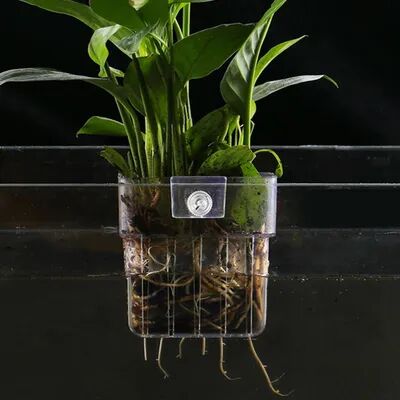
Youfap Market Hanging Pot Aquatic Plants Holder Aquarium Plant Cup Fish Tank Planter Hanging Pot Aquatic Plants Holder Aquarium Plant Cup Fish Tank PlanterEnhance Your Aquarium's Aesthetic Transform your aquarium into a stunning aquatic landscape with the Aquarium Plant Basket Transparent Fish Tank. This unique hanging decorations pot is designed to create a natural and serene environment for your...29,97 $*Shipping: 0,00 $Secure redirect to the provider
-
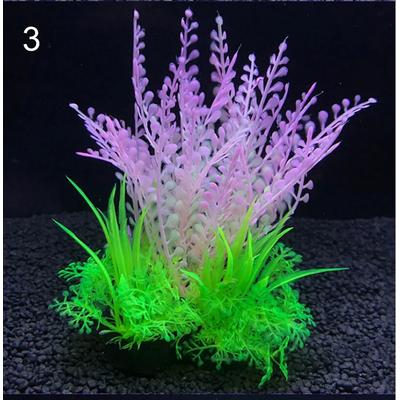
Happy Pet Pantry Aquarium Decor: Artificial Aquatic Plants & Ornaments 3Various and types of artificial aquarium decorative plants aquatic plants aquarium decorative accessories ornaments Simulation Artificial Aquarium Decor Plants Water Weeds Ornament Aquatic Plant Fish Tank Grass Decoration Accessories 14cmBrand new...24,97 $*Shipping: 0,00 $Secure redirect to the provider
-
Veer Decor Entomology Gallery WallpaperAdd a playful twist to your walls with our Entomology Gallery Wallpaper. This vibrant design showcases a curated collection of colorful insects, from dazzling beetles to delicate butterflies and dragonflies, each framed in ornate borders.169,99 $*Shipping: 0,00 $Secure redirect to the provider
-
Types of aquatic plants
Aquatic plants can be categorized into several types based on their growth habits and habitat. Some common types of aquatic plants include floating plants, such as water lilies and duckweed, which float on the surface of the water. Submerged plants, like eelgrass and pondweed, grow entirely underwater and are rooted in the sediment. Emergent plants, such as cattails and bulrushes, have their roots underwater but their stems and leaves extend above the water's surface. These different types of aquatic plants play important roles in maintaining the health and balance of aquatic ecosystems. **
-
What causes panic fear of aquatic plants?
The panic fear of aquatic plants, known as thalassophobia, can be caused by a variety of factors. Some people may have had a traumatic experience involving water or aquatic plants in the past, leading to a fear response. Additionally, the unknown depths and potential dangers associated with bodies of water can trigger feelings of anxiety and fear. Media portrayals of water-related accidents or horror stories may also contribute to the development of thalassophobia in some individuals. **
-
Why are my aquatic plants turning pale?
Aquatic plants may turn pale due to a lack of nutrients, particularly iron and nitrogen, in the water. Insufficient light exposure can also cause plants to lose their vibrant color. Additionally, poor water quality, such as high levels of algae or pollutants, can stress the plants and lead to paleness. It is important to regularly test the water parameters, provide appropriate lighting, and consider adding a fertilizer to address nutrient deficiencies. **
-
What is the name of these aquatic plants?
The name of these aquatic plants is water lilies. They are known for their beautiful and colorful flowers that float on the surface of the water. Water lilies are commonly found in ponds, lakes, and slow-moving streams. They provide shade and shelter for fish and other aquatic creatures. **
Similar search terms for Aquatic-entomology
-
Veer Decor Entomology Gallery WallpaperAdd a playful twist to your walls with our Entomology Gallery Wallpaper. This vibrant design showcases a curated collection of colorful insects, from dazzling beetles to delicate butterflies and dragonflies, each framed in ornate borders.169,99 $*Shipping: 0,00 $Secure redirect to the provider
-
Happy Pet Pantry Aquarium Decor: Artificial Aquatic Plants & Ornaments 6Various and types of artificial aquarium decorative plants aquatic plants aquarium decorative accessories ornaments Simulation Artificial Aquarium Decor Plants Water Weeds Ornament Aquatic Plant Fish Tank Grass Decoration Accessories 14cmBrand new...24,97 $*Shipping: 0,00 $Secure redirect to the provider
-
Happy Pet Pantry Aquarium Decor: Artificial Aquatic Plants & Ornaments 8Various and types of artificial aquarium decorative plants aquatic plants aquarium decorative accessories ornaments Simulation Artificial Aquarium Decor Plants Water Weeds Ornament Aquatic Plant Fish Tank Grass Decoration Accessories 14cmBrand new...24,97 $*Shipping: 0,00 $Secure redirect to the provider
-
Happy Pet Pantry Aquarium Decor: Artificial Aquatic Plants & Ornaments 5Various and types of artificial aquarium decorative plants aquatic plants aquarium decorative accessories ornaments Simulation Artificial Aquarium Decor Plants Water Weeds Ornament Aquatic Plant Fish Tank Grass Decoration Accessories 14cmBrand new...24,97 $*Shipping: 0,00 $Secure redirect to the provider
-
Which aquatic plants are suitable for turtle tanks?
Aquatic plants that are suitable for turtle tanks include Anubias, Java Fern, Water Sprite, and Duckweed. These plants are hardy and can withstand the occasional nibbling from turtles. They also provide hiding spots and resting places for turtles, as well as help to maintain water quality by absorbing nitrates and providing oxygen. It's important to choose non-toxic plants that are safe for turtles to ensure their health and well-being. **
-
Is entomology animal cruelty through insect preparation?
Entomology, the study of insects, is not inherently animal cruelty through insect preparation. Insect preparation for scientific study or collection can be done in a humane and ethical manner, with respect for the insects being studied. Many entomologists follow guidelines for ethical collection and preservation of insects, ensuring that the process is as respectful and non-cruel as possible. Additionally, the study of insects is important for understanding ecosystems and biodiversity, and can contribute to conservation efforts. **
-
What exactly does one do in entomology?
In entomology, one studies insects and their behavior, ecology, physiology, genetics, and taxonomy. This can involve conducting field research to observe insects in their natural habitats, collecting and identifying insect specimens, studying the impact of insects on ecosystems and agriculture, and conducting experiments in laboratory settings to better understand insect biology. Entomologists may also work on developing pest management strategies, studying the role of insects in disease transmission, or contributing to conservation efforts to protect endangered insect species. Overall, entomologists work to expand our knowledge and understanding of the diverse and important role that insects play in the natural world. **
-
Can brine shrimp live in a tank with aquatic plants?
Yes, brine shrimp can live in a tank with aquatic plants. The plants can provide shelter for the shrimp and help maintain water quality by absorbing excess nutrients. However, it's important to ensure that the plants are compatible with the brine shrimp's habitat requirements, such as water temperature and pH levels. Additionally, make sure the plants are not toxic to the shrimp. **
* All prices are inclusive of VAT and, if applicable, plus shipping costs. The offer information is based on the details provided by the respective shop and is updated through automated processes. Real-time updates do not occur, so deviations can occur in individual cases. ** Note: Parts of this content were created by AI.